After a four-day conclave in Beijing, the Communist Party released Thursday a short communiqué confirming that the draft of the 15th Five-Year Plan (2026–2030) had been approved. The document described the geopolitical environment as “profound and complex,” but it made no direct reference to ongoing trade tensions with the United States. President Xi Jinping and President Donald Trump are expected to meet in South Korea at the end of October during the APEC Summit.
The communiqué offered only a broad outline of the plan’s direction. The complete document will be submitted for formal approval at the National People’s Congress in March 2026.
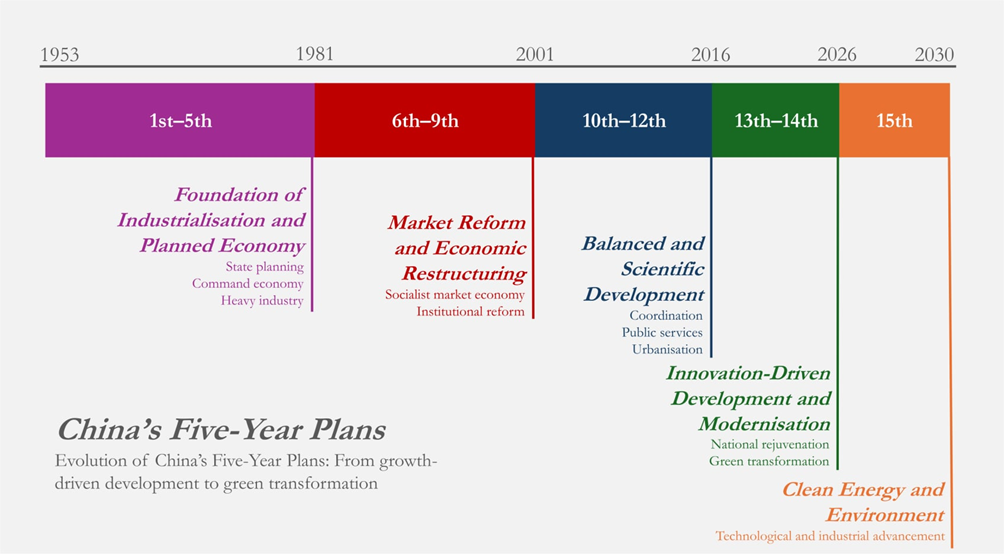
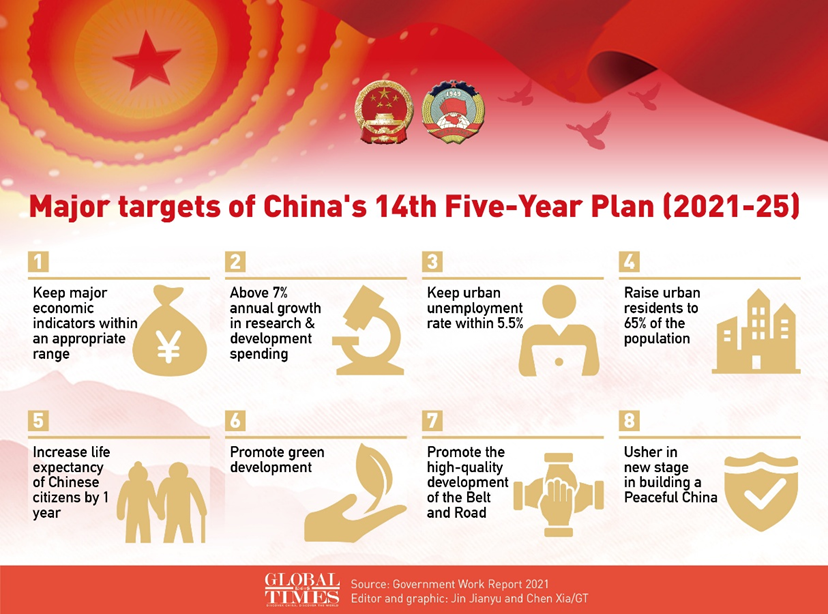
In tone and content, the communiqué reflects continuity with the 14th Plan. Nevertheless, some nuances stand out. The new plan places greater weight on building “a modern industrial system with advanced manufacturing as the backbone”, achieving “high-level scientific and technological self-reliance”, developing “a strong domestic market” and advancing the transition toward clean energy, as reported by Xinhua.
The report stressed the importance of preserving a solid manufacturing base while shifting toward a modern structure centred on advanced manufacturing. In recent years, Beijing has grown increasingly aware of the limits of its old growth model, built on property, infrastructure, and exports. One term “new quality productive forces” (“新质生产力”) dominates official speeches and policy documents. The focus is shifting toward new technologies, higher productivity, and scientific independence.
Over the past decade, China’s tech ascent has often depended on access to American innovation, including high-end semiconductors from companies such as Nvidia. As US export restrictions tighten, Beijing aims to build a domestic ecosystem less vulnerable to external shocks and supply chain risks. The next plan is therefore placing heavy emphasis on breakthroughs in chip-making, quantum computing, artificial intelligence, biotechnology, and renewable energy, leveraging the country’s vast STEM (science, technology, engineering and mathematics) talent pool to drive these advances. Artificial intelligence is one of the focus areas. Beijing is prioritising large-scale applications of AI across the economy, in manufacturing, logistics, healthcare, urban planning, and the fast-developing “low-altitude economy” of drones and robotics.
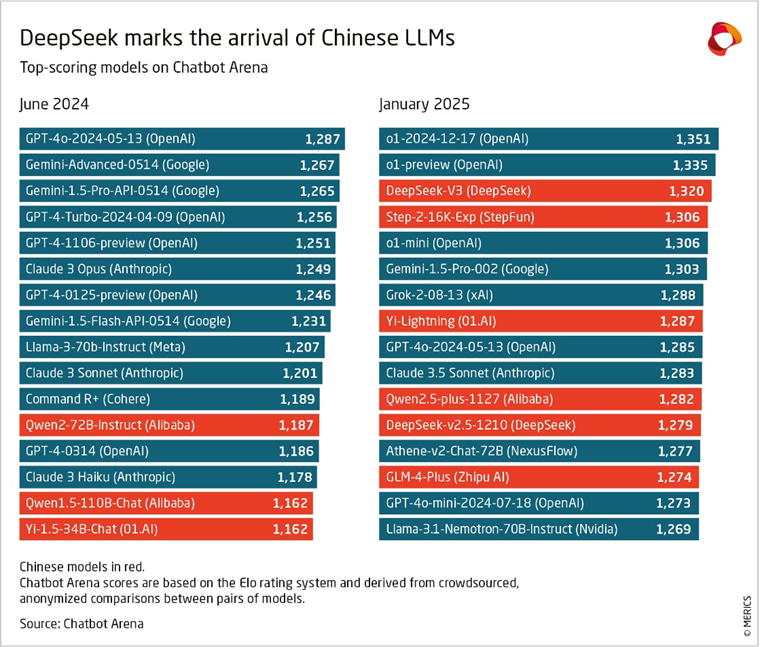
Under the next plan, policymakers aim to strengthen cooperation between state-owned and private firms and to expand the use of new technologies through an “AI+” approach. The Private Sector Promotion Law, introduced in 2025, gives private enterprises clearer legal standing and greater space to innovate.
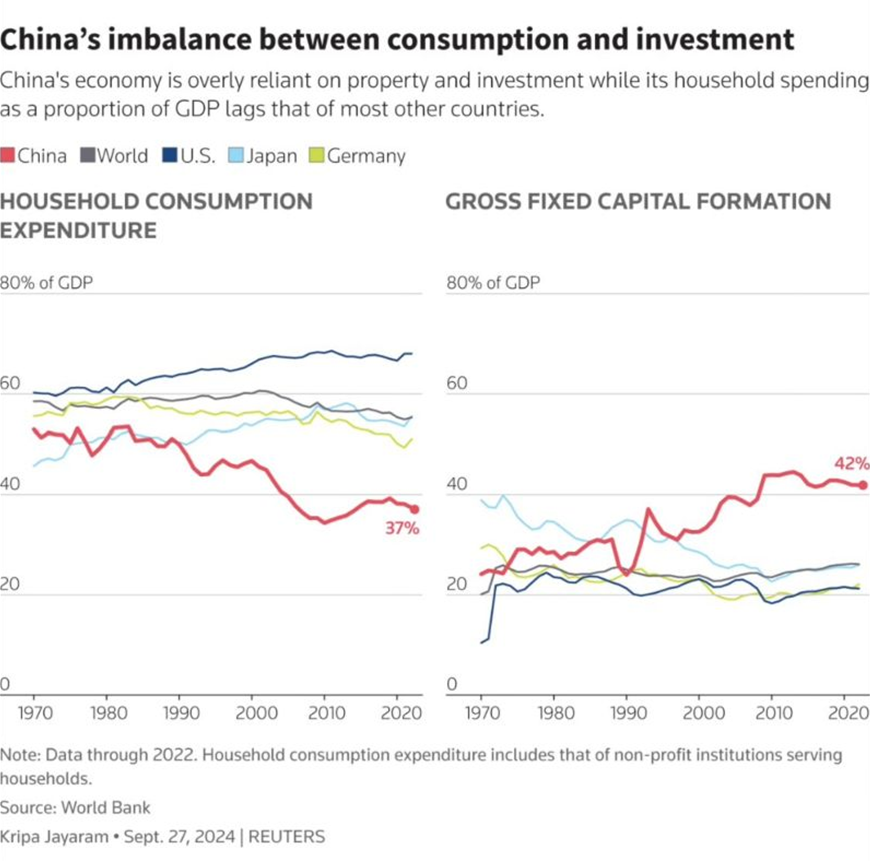
Regarding domestic demand, the new plan reiterates China’s long-standing goal of shifting the economy toward consumption-led growth, a priority that had often taken a back seat to investment and manufacturing. Yet, the proposed measures remain modest.
The communiqué calls for removing barriers to a unified national market and expanding both consumption and private investment. The new plan pledges to “increase efforts to guarantee and improve people’s livelihoods” and “improve the social security system,” as well as to “promote the high-quality development of the real estate sector.” Yet no direct fiscal transfers to households have been introduced, in contrast to the United States’ approach during the pandemic.



.png)