
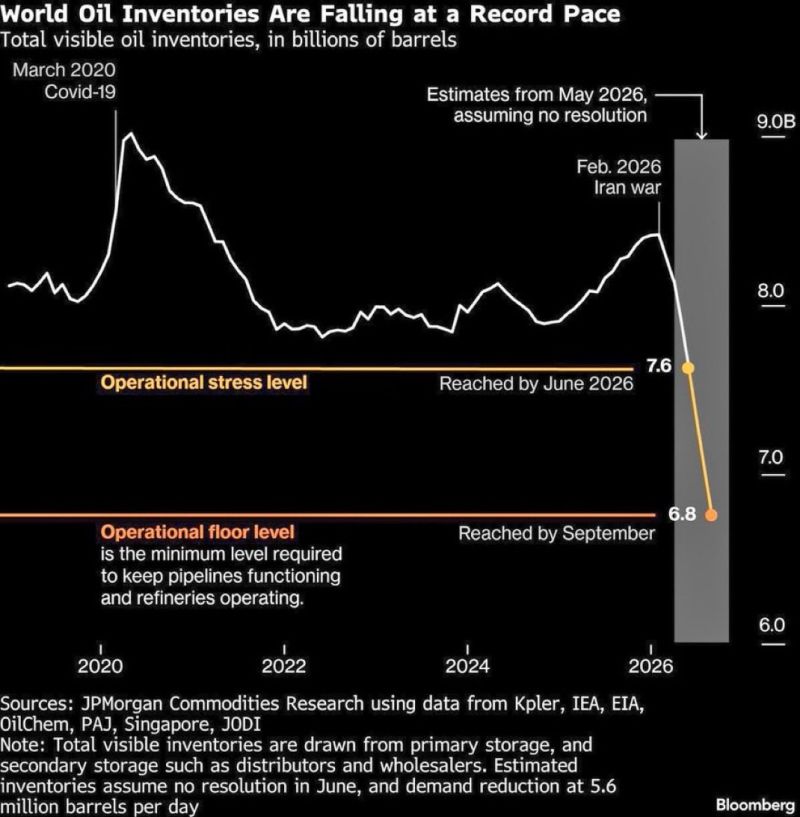
JPMorgan has just released a terrifying chart on the world's oil inventories.
The stockpiles are in free fall. And if this line reaches 6.8, the global economy might get into big troubles. Source: JP Morgan,
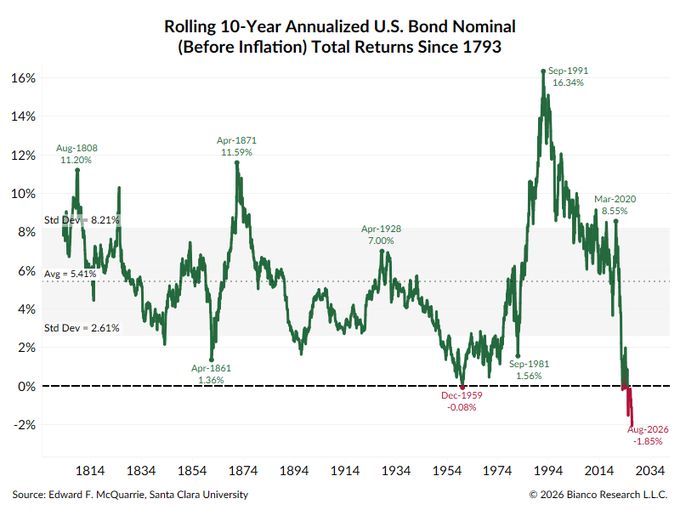
USTs are by far having their worst performance in American history
Source: Lukas Ekwueme
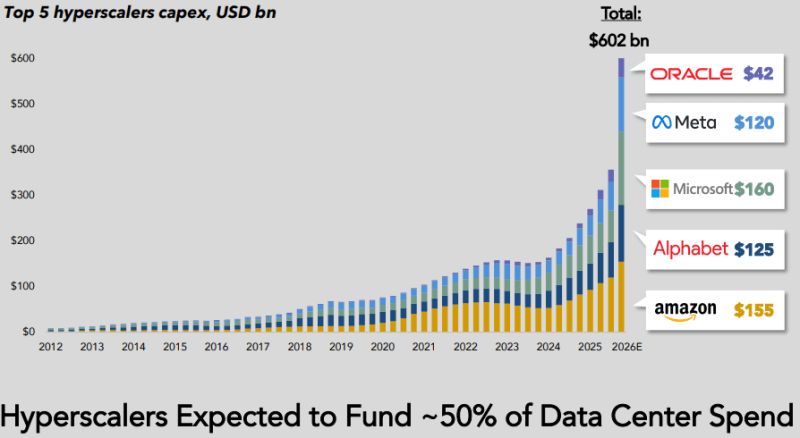
Top 5 hyperscaler capex estimate for 2026
Source: Invest In Assets
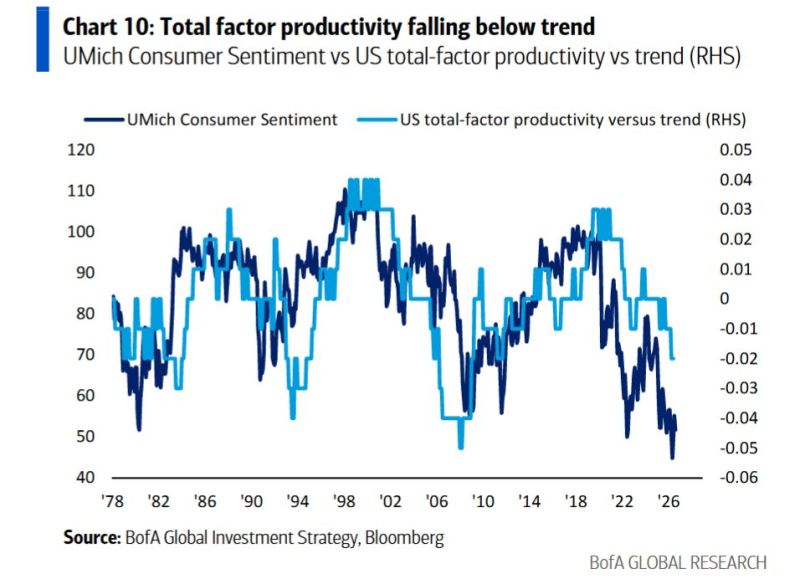
Productivity is falling below trend
"Despite $1.5tn spent in past 3 years, scant evidence yet of economy-wide productivity gains; in fact, total factor productivity is falling below trend, a measure highly correlated the past 50 years with consumer confidence; sometimes Main St knows what Wall St doesn’t" - BofA, Michael Hartnett Source: zerohedge
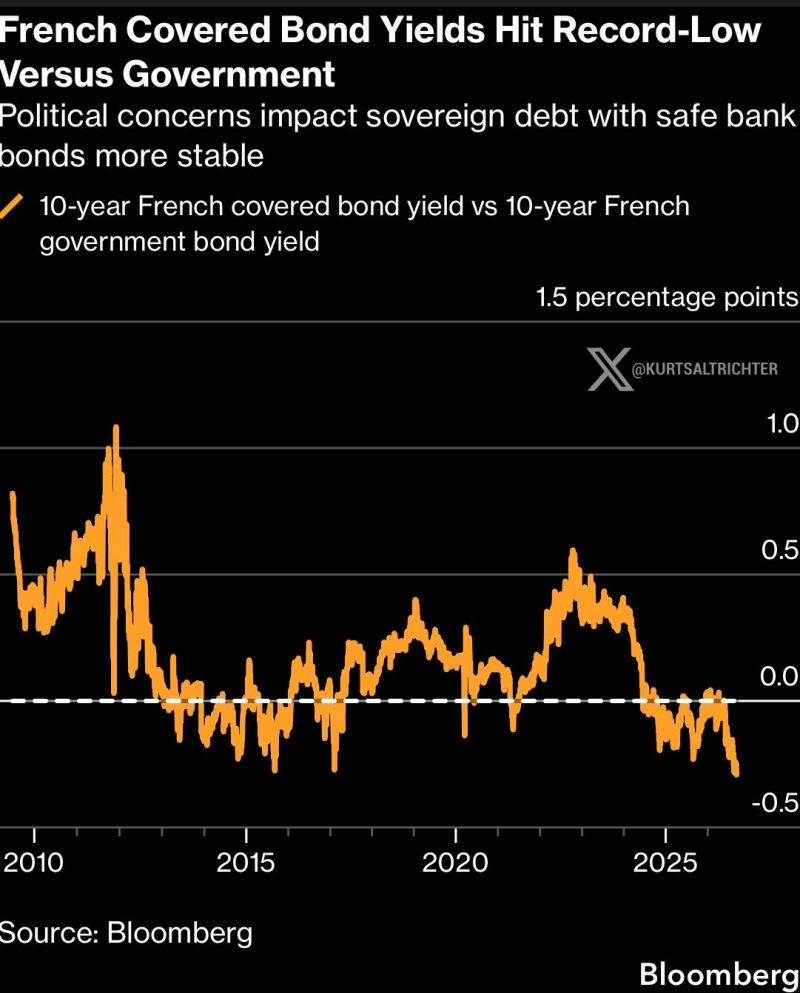
Something just broke in the French bond market.
“Safe” bank bonds now yield less than French government debt. French 10-year covered bonds—secured by ring-fenced pools of mortgages—now offer a lower yield than 10-year sovereign bonds. In other words, markets are pricing a pool of French home loans as safer than the French state itself. Why? France’s public debt has reached 117% of GDP. The government plans a record €310 billion of bond issuance in 2026. Meanwhile, the 10-year yield spread over Germany has widened to 90 basis points—the highest since 2012. This is more than a technical distortion. When government bonds trade at a discount to the bank debt they ultimately backstop, investors are sending a clear message: The sovereign balance sheet has become the risk. Bond markets often discipline governments long before voters do. Source: Kurt S. Altrichter, CRPS
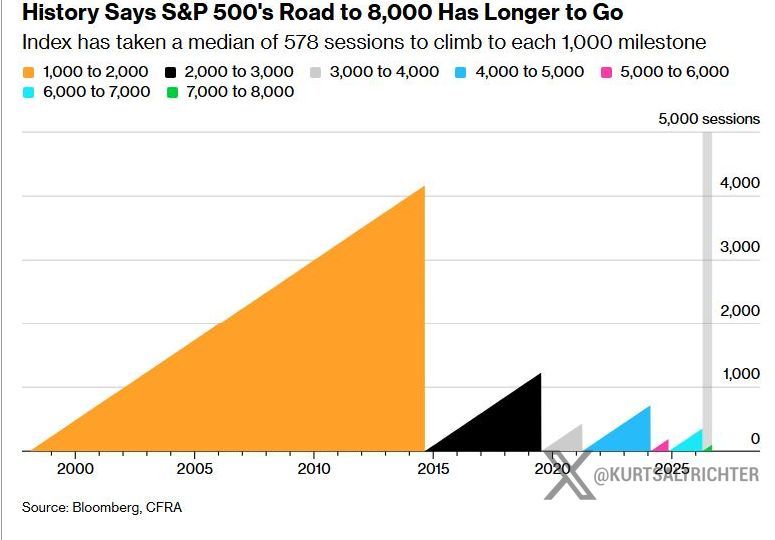
Everyone wants S&P 500 8,000. History says slow down.
Since 1998 the index has needed a median of 578 trading days to clear each 1,000-point level. At that pace 8,000 doesn't land until around mid-2028, and SPX just closed lower every day this week at 7,591. Betting on 8,000 this year puts you early by about 18 months. Of course, if you start thinking in % terms things look very different. Which makes this analysis flawed. Source: Bloomberg
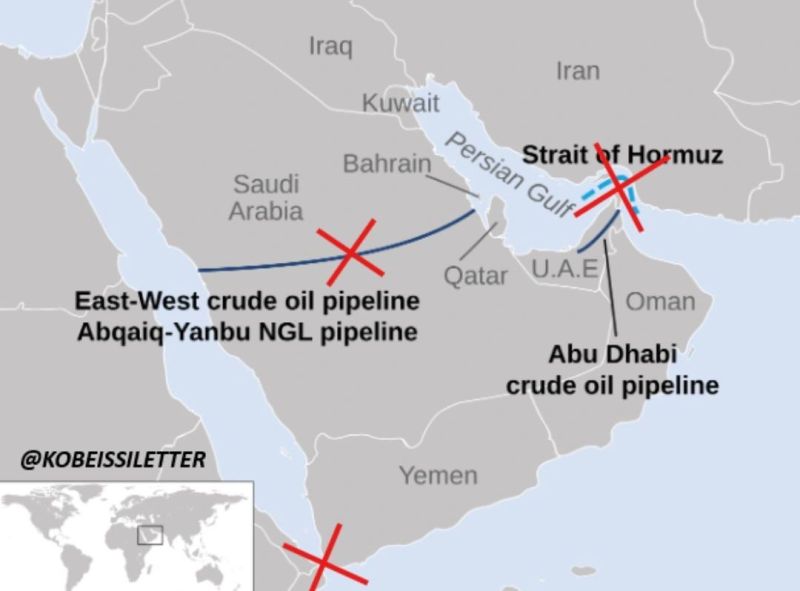
The energy situation in the Middle East deserves close attention
Saudi Arabia’s East–West pipeline was reportedly shut down on Friday following recent attacks, potentially affecting around 4 million barrels per day of export capacity. At the same time, risks around the Bab el-Mandeb Strait could threaten flows of up to 9 million barrels per day, while the Strait of Hormuz is reportedly operating at roughly 20% of its pre-war capacity. Taken together, close to 30 million barrels per day of oil flows may be disrupted or exposed to disruption. There is some overlap between these routes, so the figures should not simply be added together. Still, against a global oil market of roughly 100 million barrels per day, the potential impact is significant. This does not necessarily mean a lasting supply shock—but it highlights how vulnerable global energy markets have become. Source: The Kobeissi Letter
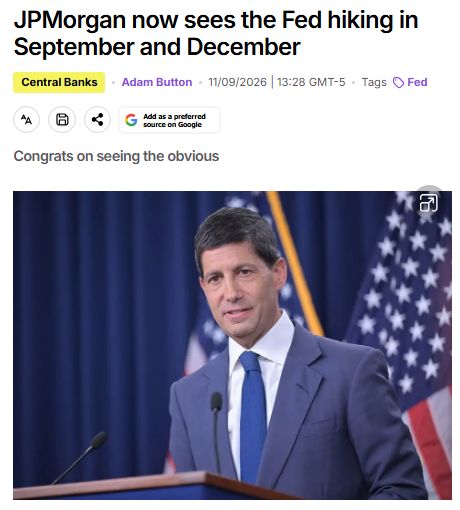
The Fed will hike rates next week and December, warns JP Morgan
Source: BofA