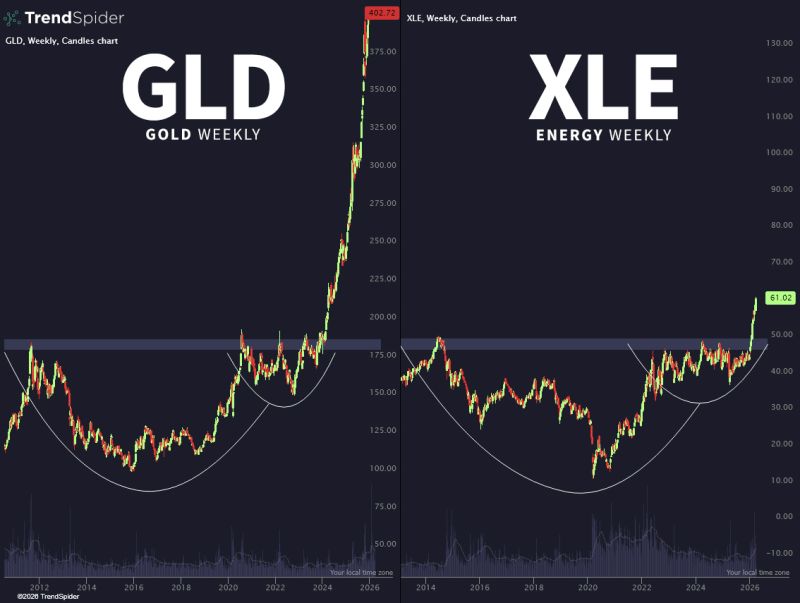

Europe’s LNG supply is becoming overwhelmingly American.
The US share of EU LNG imports surged from 28% in early 2021 to 63.2% today. IEEFA projects up to 80% by 2028. Two shocks accelerated the shift: Europe’s phaseout of Russian LNG and disruptions to Qatari supply. American cargoes offer flexibility. But they follow the highest bidder. When Asia pays more, Europe must compete—or pay up. Europe escaped one energy dependence. Is it building another? At almost two-thirds of imports, is US LNG Europe’s security—or its next vulnerability? Source: Jack Prandelli on X
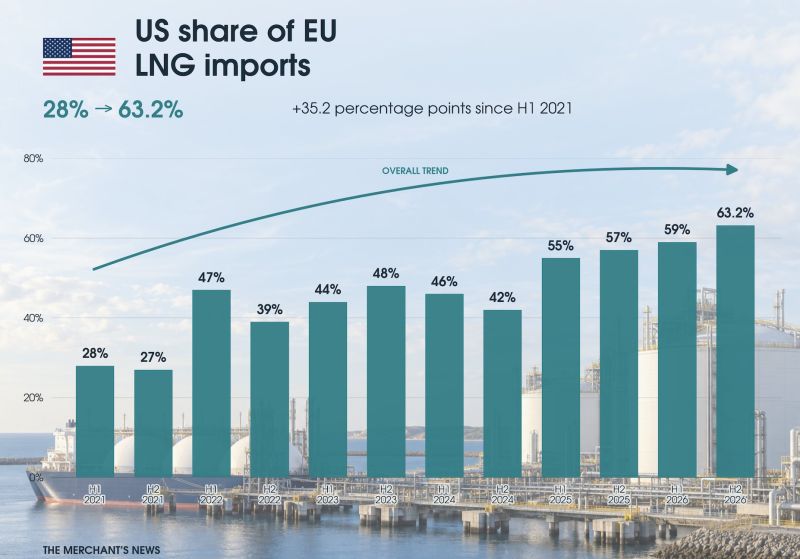
$GLND Greenland Energy is Up +164% pre-market on Trump's Security Agreement News
Greenland Energy shares surged 164.17% to $3.17 following reports of Trump's 🇺🇸 security agreement between the US and Greenland. Source: Q-Tech News
Europe is entering winter with its lowest natural gas reserves in 15 years
And this was a calculated gamble. Storage facilities are just 67% full—13 percentage points below last year—as Europe bet on the Strait of Hormuz reopening and Qatari LNG supplies returning. Neither happened. Dutch gas futures are now approaching €80/MWh, while spot prices have surged 75% since June. Europe’s energy gamble is becoming America’s windfall. US LNG exporters can sell every cargo they are able to load. One region’s supply risk is another region’s pricing power. Source: Kurt S. Altrichter, CRPS

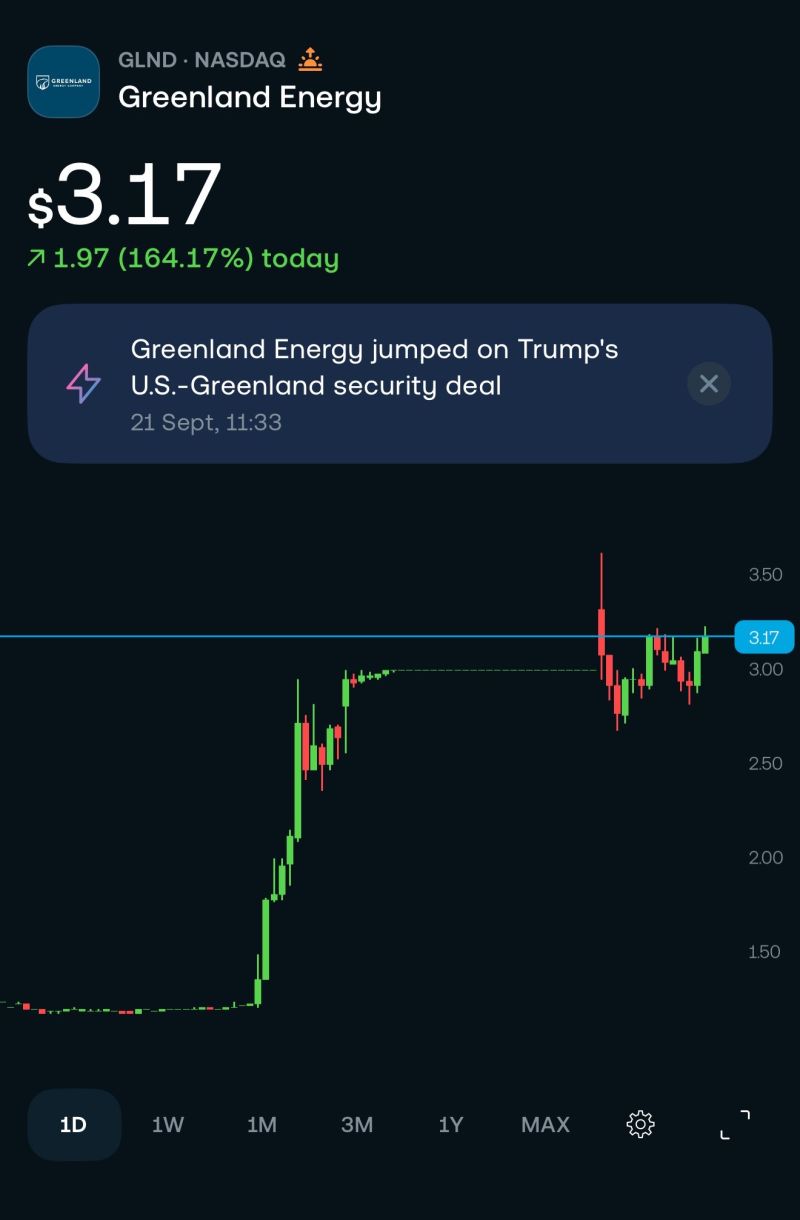
U.S. fossil fuel power investment is now outpacing China's for the first time in decades
Source: Hedgeye, FT, IEA
The uranium supply story is becoming impossible to ignore
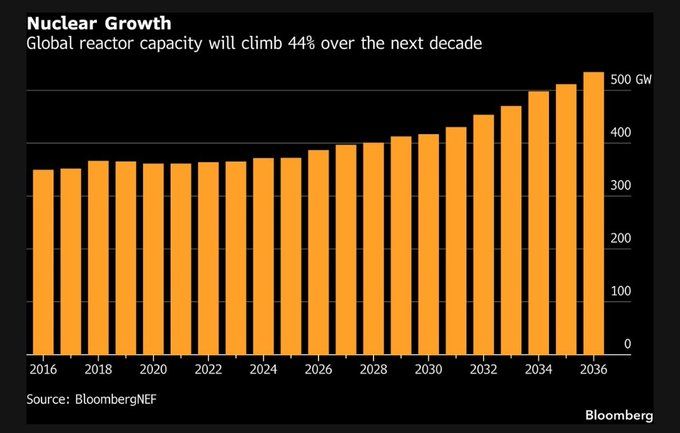
Global nuclear reactor capacity is projected to grow 44% over the next decade. Every new 1 GW reactor requires: ~400 tonnes of uranium for its initial core load. ~160 tonnes per year thereafter to keep operating. Here's the catch: The first core loads alone for the reactors currently planned would consume uranium equivalent to nearly 90% of today's annual global mine production. That's before a single kilowatt-hour of electricity is produced. The market isn't just facing rising annual demand. It must first fill an enormous pipeline of initial fuel requirements. This is why many investors believe the structural bull case for uranium is still in its early stages. Source: Bloomberg, Lukas Ekwueme @ekwufinance
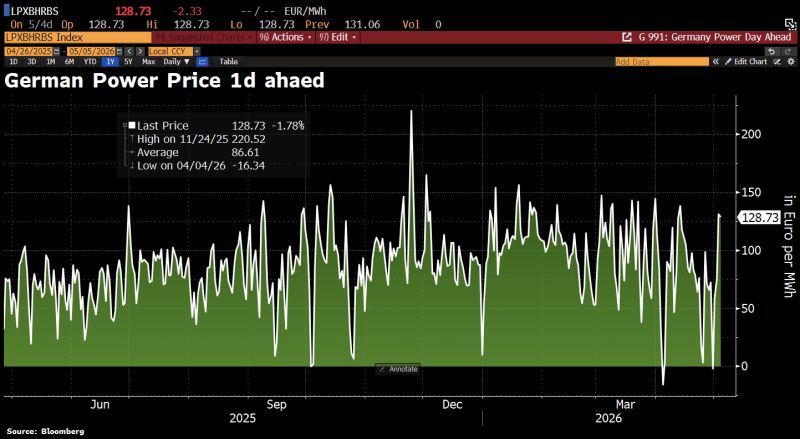
In Germany, deeply negative energy prices due to solar glut are forcing a rethink of the energy transition
Economy Minister called to end subsidies for excess renewable electricity after costs ran into the tens of millions last weekend alone. Source: Bloomberg, HolgerZ
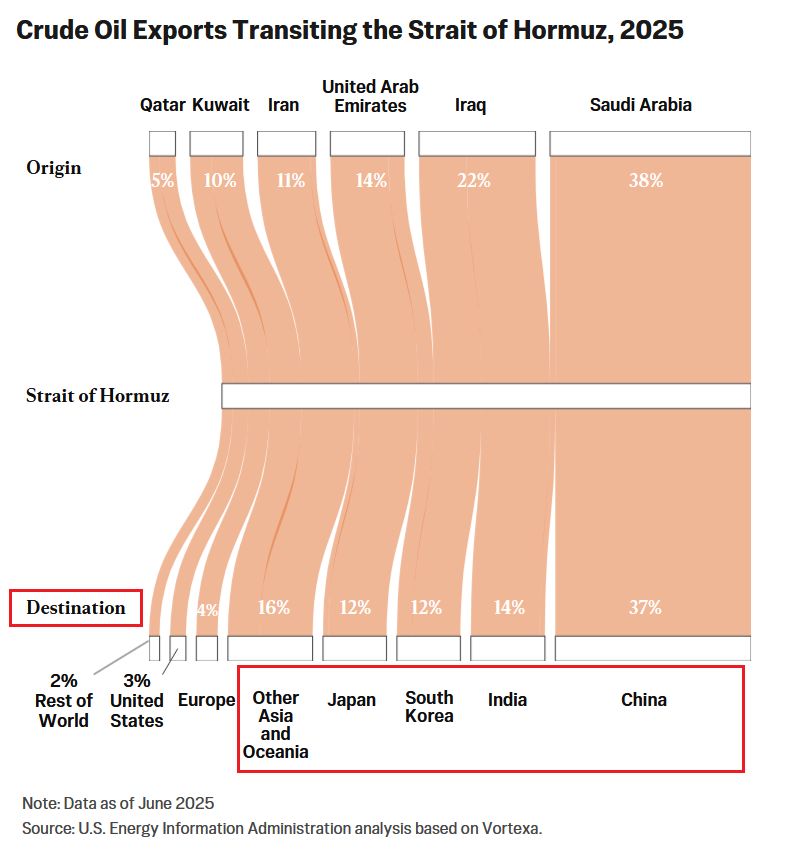
The Strait of Hormuz is the lifeline of the global economy: Saudi Arabia is the largest source of crude oil transiting the Strait at 38%, followed by Iraq at 22% and the UAE at 14%.
Iran, Kuwait, and Qatar follow at 11%, 10%, and 5%, respectively. On the destination side, China receives the largest portion at 37%, followed by India at 14%, Other Asia and Oceania at 16%, South Korea at 12%, and Japan at 12%. This means ~75% of all crude oil passing through the Strait flows to Asia, making the region overwhelmingly the most exposed to the current disruption. Saudi Arabia and Iraq alone represent 60% of all crude transiting the chokepoint, meaning any prolonged closure disproportionately impacts their export revenues and Asian buyers simultaneously. The Strait of Hormuz is the most critical chokepoint in global energy flows. Source: Global Markets Investor
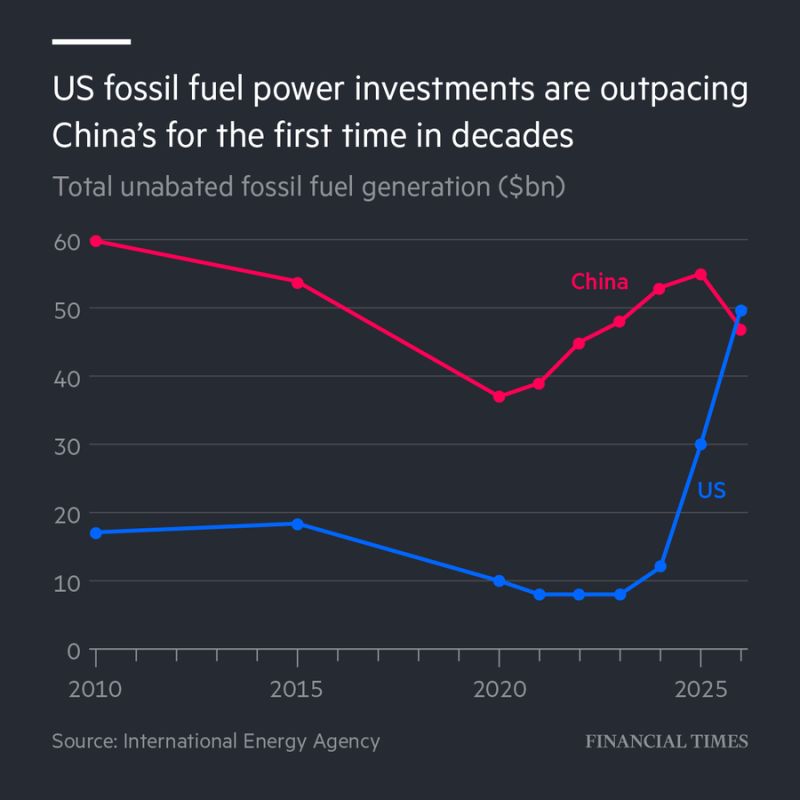
Same setup, different story. $GLD $XLE
Source: Trend Spider