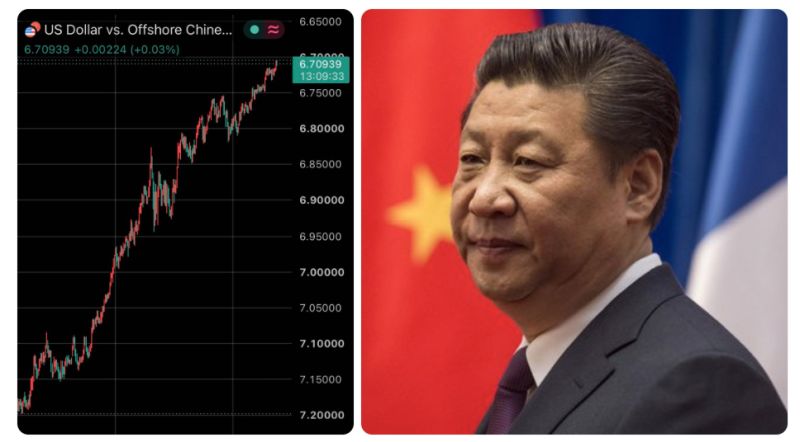
Chinese yuan officially surges to its STRONGEST level against the U.S. dollar, since early 2023.
Nearly 10% in 20 months. More than +4% this year alone. Three forces are driving the surge despite efforts to slow it: - China’s massive trade surplus is driving demand for yuan - Exporters are converting dollar earnings into yuan, adding more pressure - A weaker U.S. dollar has amplified the move Beijing is already leaning against the rally. The PBOC has repeatedly set its fixing weaker than markets expect, while state banks have reportedly bought dollars to limit further gains. Source: coinbureau
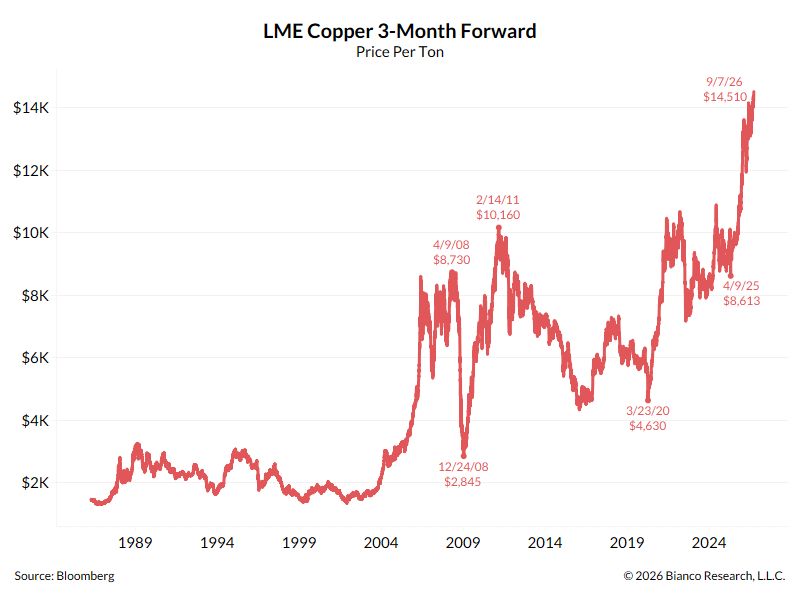
COPPER JUST HIT A RECORD HIGH
LME copper has surged above $14,530 per tonne, climbing more than 68% since “Liberation Day” in April 2025. Copper is often called “the metal with a PhD in economics” because demand is closely tied to global growth, construction, electrification and industrial activity. And right now, Dr Copper is sending a powerful signal: Strong economic momentum Rising inflationary pressure Booming demand for electrification and AI infrastructure Copper isn’t just rallying. It may be warning that the global economy is running hotter than expected. Source: Bianco Research
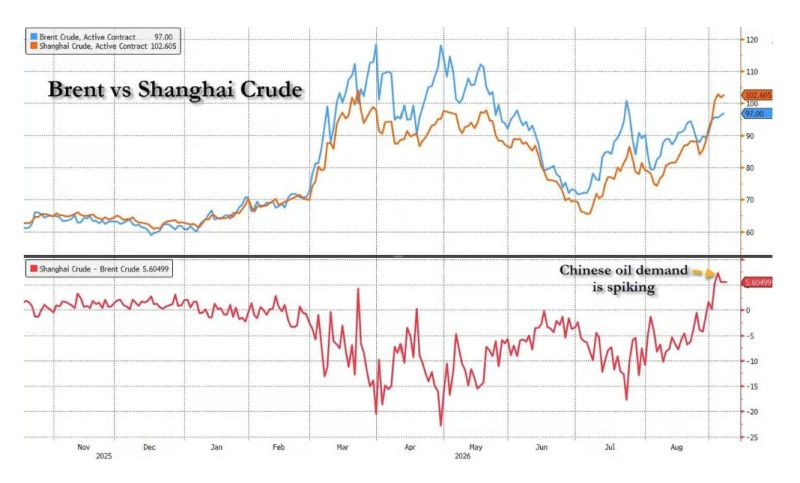
CHINA IS BACK—AND OIL MARKETS ARE FEELING IT
Chinese oil demand has unexpectedly rebounded, pushing Shanghai crude above $100 per barrel and to a significant premium over Brent. That marks a sharp reversal from earlier in 2026, when weak Chinese imports and refining activity helped contain global oil prices. Now, Chinese buyers are aggressively competing for supplies from Africa, Canada and Latin America as Iranian exports collapse and disruption around the Strait of Hormuz persists. Some African crude grades are reportedly trading at premiums of up to $20 over Brent, while Russian ESPO prices are also strengthening. The rebound appears driven by improving refinery margins, renewed fuel exports and inventory restocking—not necessarily a full economic recovery. But the market implication is clear: Brent is approaching $100 Alternative supplies are becoming more expensive Further shipping disruptions could send prices toward $120 China may have just removed one of the biggest brakes on global oil prices. Source: Zerohedge, Bloomberg
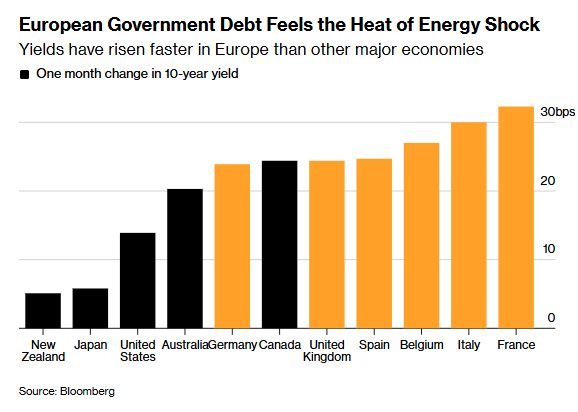
European Bonds Suffer the Most as Investors Fret About Energy and Elections
Source: Bloomberg
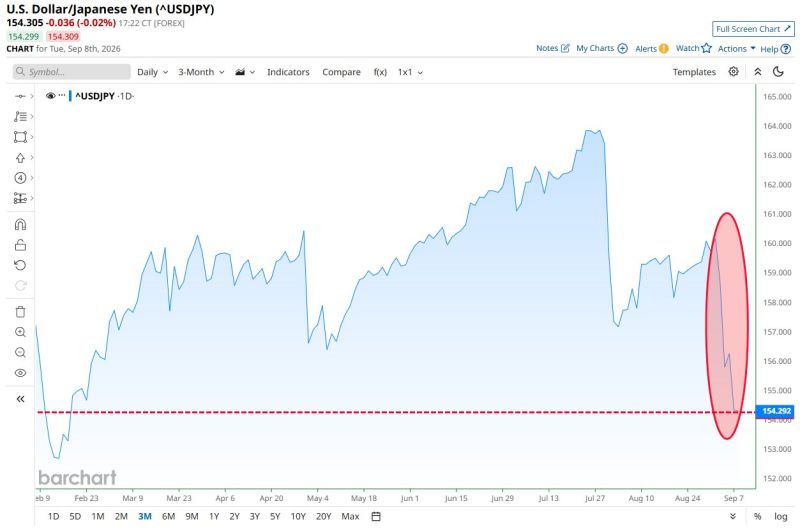
Japanese Yen hits strongest level against the U.S. Dollar since February
Source: Barchart
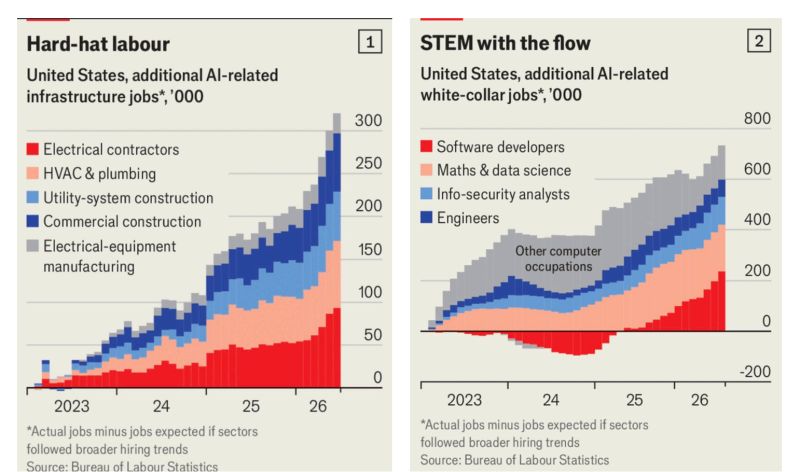
AI isn’t just replacing jobs. It’s creating them.
Since mid-2023, AI has generated roughly 1 million jobs in America—more than offsetting an estimated 200,000 AI-related losses, according to The Economist. Around 1% of US professional roles are now “AI jobs,” rising to 4–5% in computing and life sciences. But the biggest surprise may be outside software. AI infrastructure spending has increased by about $500 billion annually since 2022. Data-centre construction alone is running above $75 billion a year—creating demand for electricians, HVAC specialists, grid engineers and technicians. Meanwhile, supposedly vulnerable professions are still expanding: Paralegal employment: +11% Market-research analysts: +6% US employment overall: +2.5% The emerging picture is more nuanced than “AI destroys jobs.” For now, AI appears to be transforming work faster than it is eliminating it. Source: Bearly AI
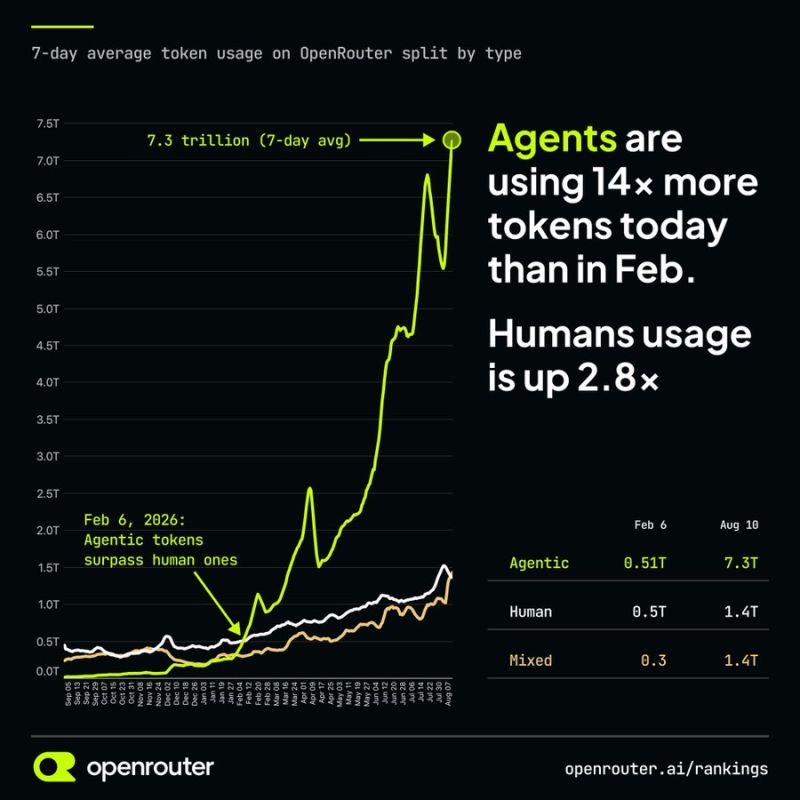
AI Agents are using 1400% more tokens today than February, 500% more than human.
Remember, this is inference token traffic. Every token lands in the KV cache which is a memory problem. Will supply be able to catch up? Source: Trade Whisperer
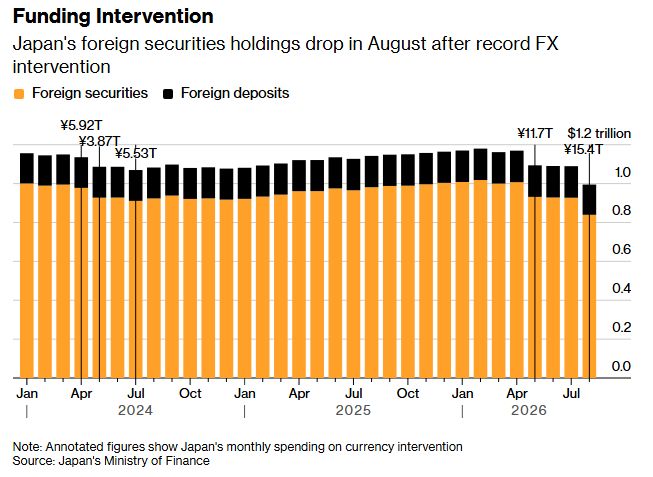
Japan dumped $88 Billion of foreign securities last month, their largest such sale in history
Source: Bloomberg, Barchart