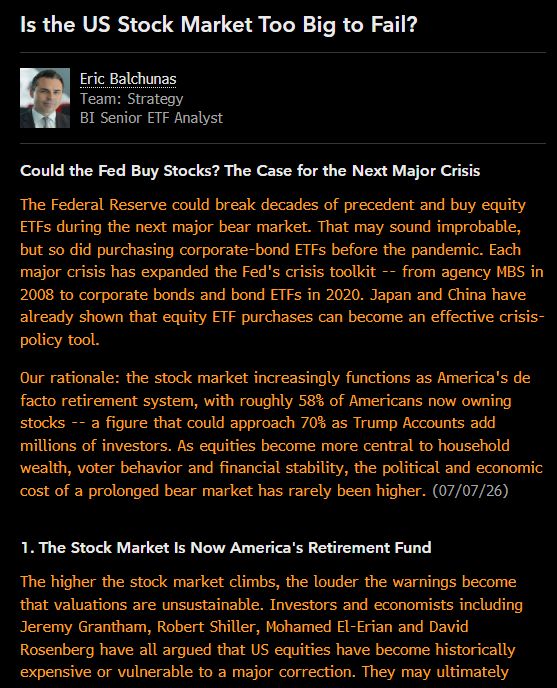
🚨 Very interesting note by Eric Balchunas: Has the US stock market become "too important to fail"?
More than 55% of Americans now own stocks, the highest participation rate in the world. With new retirement programs bringing millions more investors into the market, Wall Street is becoming deeply intertwined with household wealth, retirement security, and even politics. The implication is profound: future policymakers may face overwhelming pressure to prevent prolonged bear markets. Some believe that, in the next major crisis, the Federal Reserve could even follow Japan and China by purchasing equity ETFs to stabilize markets. Whether or not that happens, one thing is clear: the growing financialization of the US economy is reshaping how investors think about downside risk—and may help explain why markets continue to recover so quickly after every sell-off. Source: Eric Balchunas, Bloomberg
BREAKING: President Trump just ordered to immediately halt all trade with Spain.
Trump made the remarks during a NATO meeting while standing next to NATO Secretary General Mark Rutte. Trump's core complaint is that Spain refuses to pay its NATO defense spending commitments. While Germany, France, the UK, and Italy have all been contributing, Spain has openly resisted meeting the 2% GDP defense spending target that NATO members are required to hit. Trump said he tested NATO members during the Iran conflict to see which ones would show up and support the US. Spain did not. "Spain is a terrible partner in NATO. They don't participate, they don't pay." "Cut off all trade with Spain immediately. Don't even talk to them. Including visits." Spain is one of the US's significant trading partners in Europe. The US exports roughly $16 billion worth of goods to Spain annually. Trump is threatening to end that entirely over NATO non compliance. "They make so much money with us and we are going to see that they make a lot less." Source: Bull Theory @BullTheoryio
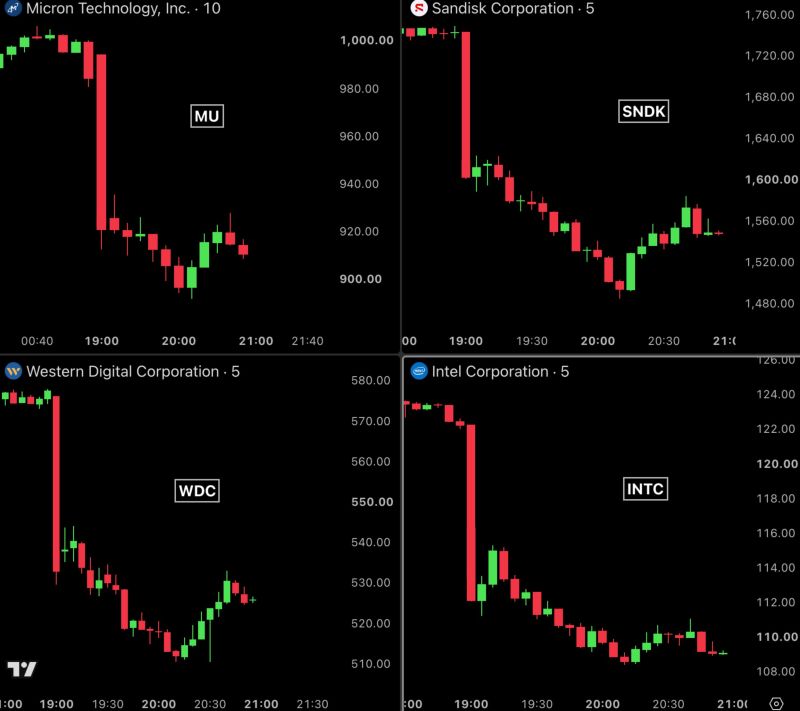
🚨 BLOODBATH continues in South Korean and Japanese markets.
Over $400 BILLION has been wiped out from South Korean and Japanese stock markets today as the sell-off in semiconductor and tech stocks continues. South Korea's KOSPI closed down -5.35%, wiping out ₩326,350,000,000,000 ($219 BILLION). Japan's NIKKEI closed down -2.11%, wiping out over ¥30,173,000,000,000 ($184 BILLION). Over $850 BILLION has been wiped out from both markets in just two days. Source: Bull Theory @BullTheoryio
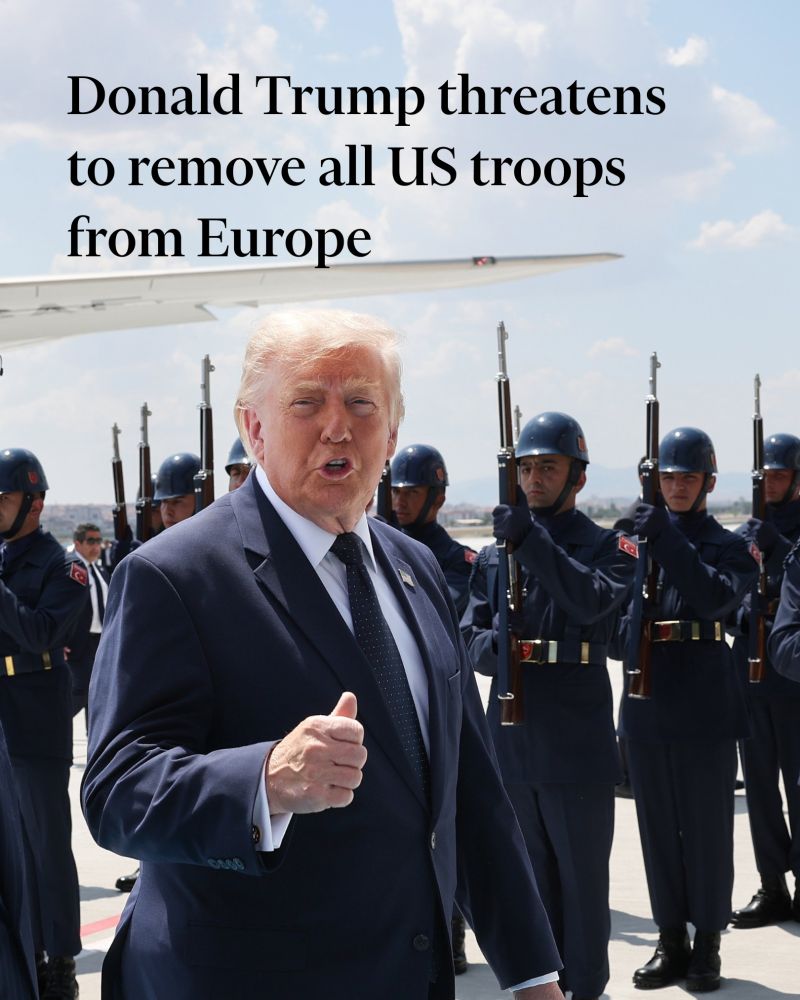
🚨 Donald Trump has escalated pressure on Europe, warning that the US could withdraw all American troops from the continent unless allies do more on defense.
He also renewed his demand for US control of Greenland, arguing the Arctic island is strategically vital against growing Chinese and Russian influence. The remarks revive one of the biggest sources of tension within NATO, as European leaders fear a weakening of the US security commitment. With around 80,000 US troops stationed across Europe, any significant withdrawal would mark a historic shift in transatlantic security and reshape the continent’s defense landscape. Source: FT
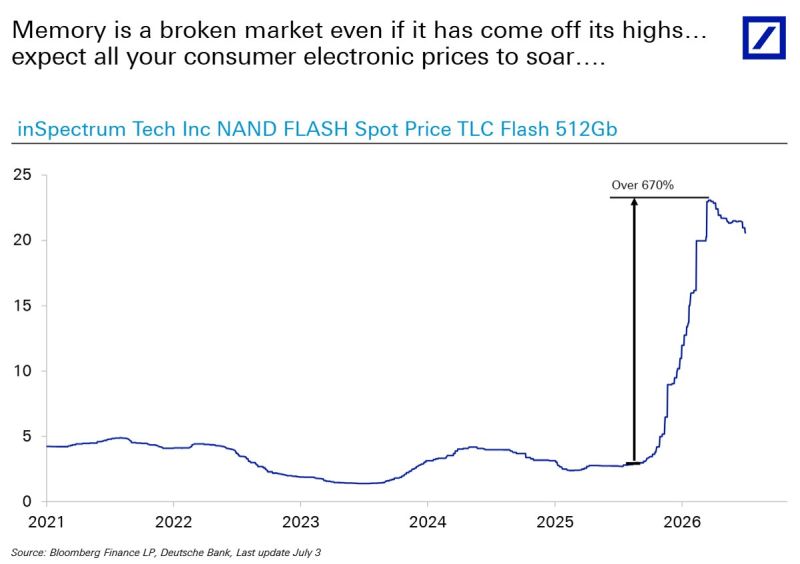
Deutsche Bank: "Memory is a broken market even if it has come off its highs... expect all your consumer electronic prices to soar"
Source: zerohedge
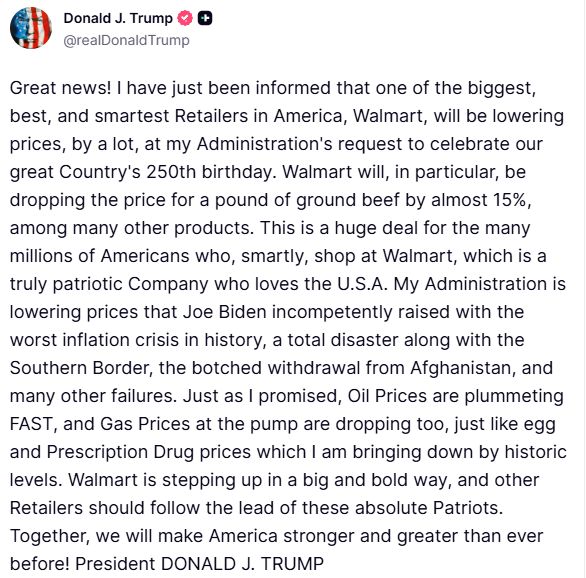
*TRUMP: WALMART WILL DROP PRICE FOR GROUND BEEF BY ALMOST 15%
*TRUMP: OTHER RETAILERS SHOULD FOLLOW WALMART'S LEAD Source: zerohedge
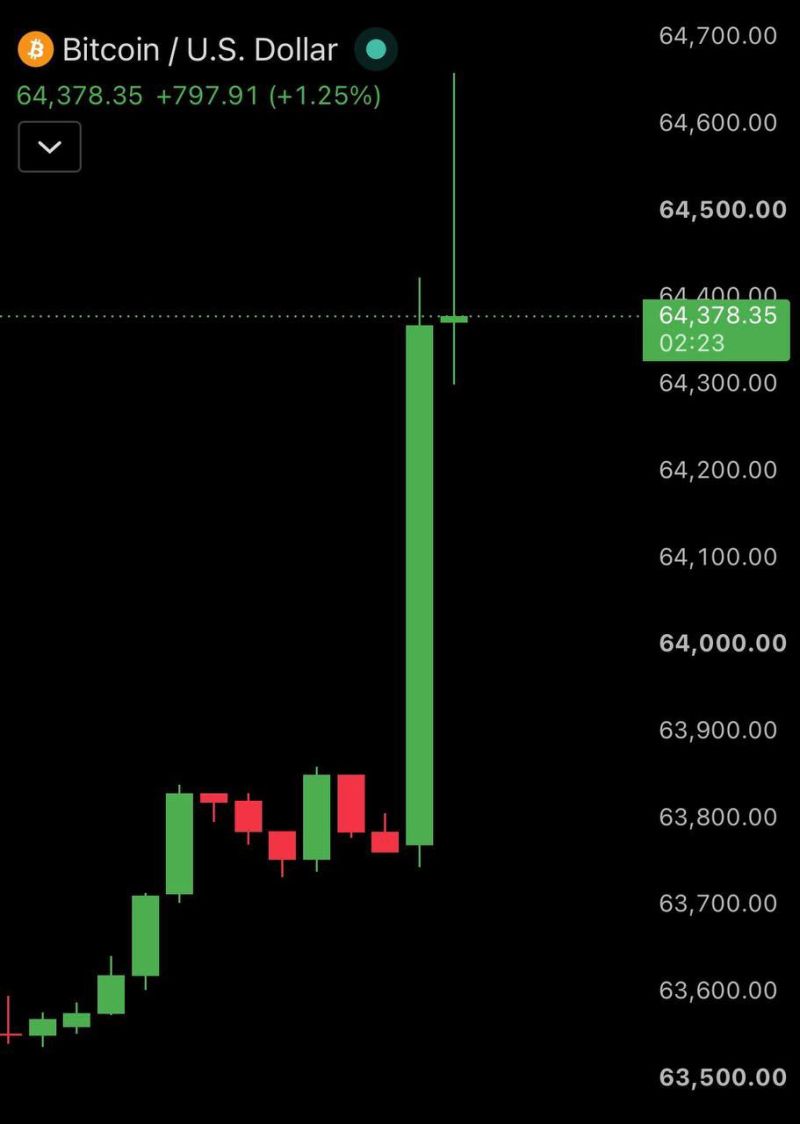
BREAKING: Bitcoin reclaims $64,000 after the White House confirms the U.S. strategic Bitcoin reserve, and Trump says he is a "Big Fan of Crypto."
$360 million in short positions were liquidated today. Source: Bull Theory
🚨 BREAKING: The US is officially building its Strategic Bitcoin Reserve.*
The White House confirmed it is now putting the legal and operational framework in place to formally manage the reserve. The US already holds 328,372 Bitcoin worth roughly $25 billion—about 1.56% of Bitcoin's circulating supply—making it the world's largest known government holder. What's remarkable? None of it was purchased. Every Bitcoin was seized through criminal and civil asset forfeitures, and the government has pledged not to sell a single coin. Meanwhile, a separate Digital Asset Stockpile will hold seized cryptocurrencies such as Ethereum and XRP. The bigger story is what comes next. Congress is considering the American Reserves Modernization Act, which would authorize the Treasury to acquire 1 million Bitcoin over five years with a minimum 20-year holding period. If approved, it would mark the first time a nation actively accumulates Bitcoin as a strategic reserve asset. Source: Bull Theory on X