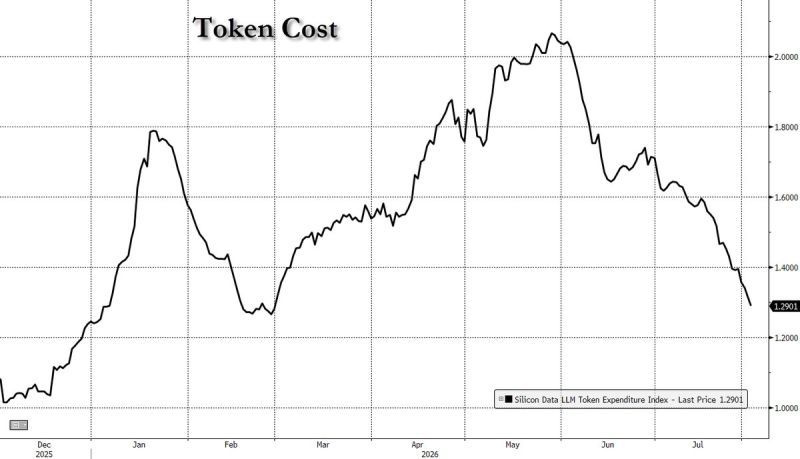
AI TOKEN COSTS ARE DOWN 40% FROM THEIR MAY PEAK.
The main reason? Chinese AI models are dramatically cheaper. DeepSeek, Qwen and Kimi are delivering increasingly competitive performance at 10–35x lower token prices than many U.S. alternatives — and already account for as much as 46% of usage in some enterprise segments. The pressure is spreading. OpenAI, Google and Anthropic have responded by cutting prices by as much as 80%. This creates an interesting dynamic: Cheaper inference → more AI adoption → more token consumption → more demand for compute. But at the same time, it is compressing margins and commoditizing the intelligence layer. The likely long-term winners could therefore be the hyperscalers and infrastructure providers: even if the price per token collapses, exploding volumes can more than compensate. AI intelligence may become a commodity. AI compute may not. And markets still seem far from fully pricing that shift. Source: Austral Research, zerohedge
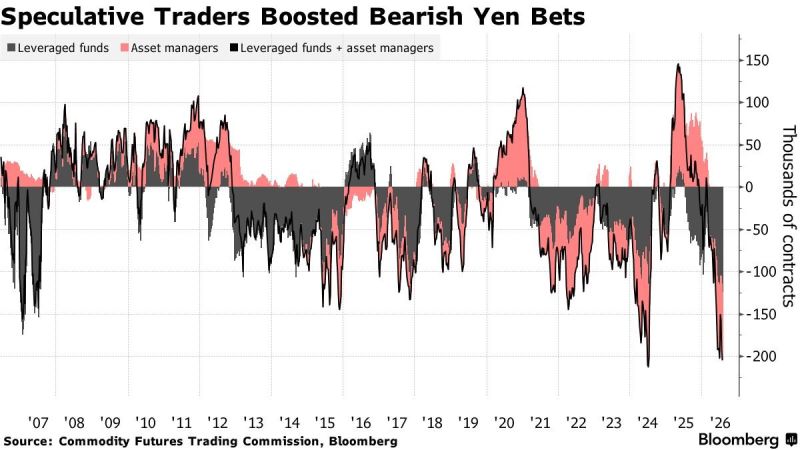
TRADERS ARE BETTING AGAINST THE YEN AT THE SECOND HIGHEST LEVEL EVER RECORDED
And this is happening just days after Japan and the US spent an estimated $88 billion trying to stop the yen from falling. Combined net short positions from asset managers and leveraged funds hit -205,000 contracts as of July 28, just short of the 2024 record. Hedge funds alone are the most bearish since 2007. The intervention happened, and traders went right back to shorting. Source: Bloomberg, Bull Theory
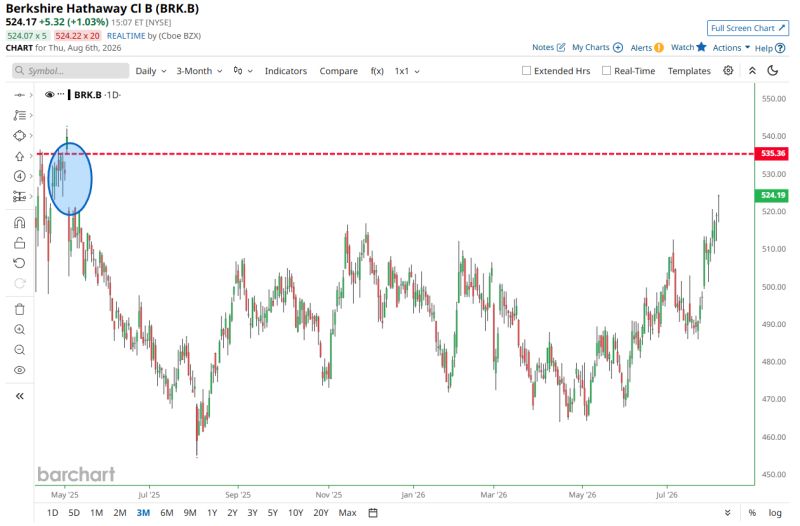
Berkshire Hathaway hits highest price since Warren Buffett announced his retirement in May 2025
But there is still a huge gap that needs to be filled 👀 Source: Barchart
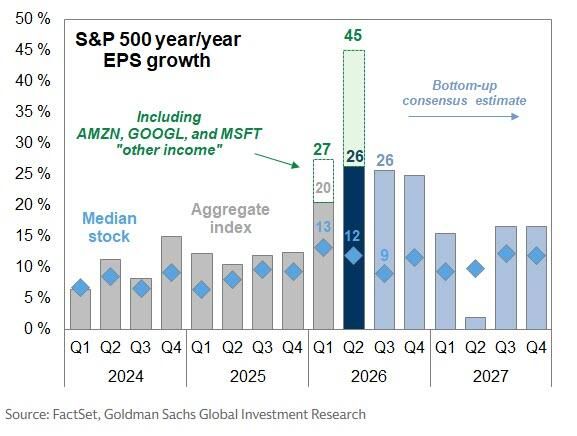
An important observation from Goldman which points out that half The S&P's "record" earnings growth is just "Big Tech" marking up its own stock portfolio.
Here it is, verbatim, from the desk of Goldman's Ioannis Blekos: "S&P 500 EPS growth is tracking at 26% year/year excluding the 'other income' from mega-cap tech's appreciating equity investments. Including those gains, the headline growth rate is 45%." i.e the "record" earnings season you have been told about - the one holding up the most expensive equity market in history - is running at 45% only if you count the gains that Nvidia, and its brethren, book when the stock portfolios they sit on go up. Strip out the mark-to-market of Big Tech valuing its own venture bets, and the number nearly halves, to 26%. Source: GS, zerohedge
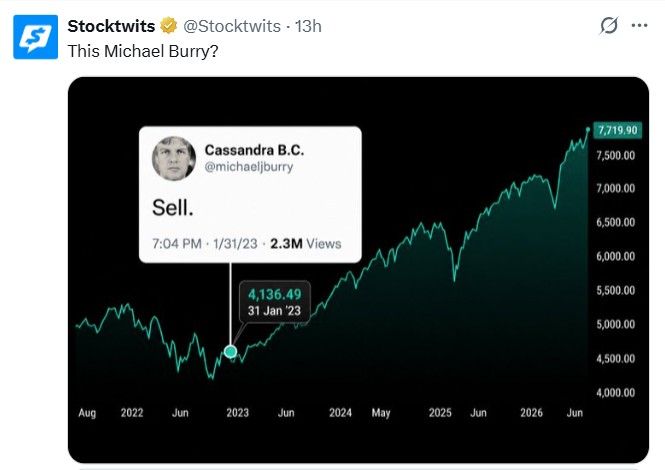
Being short the market can be dangerous
Source: Stockwits
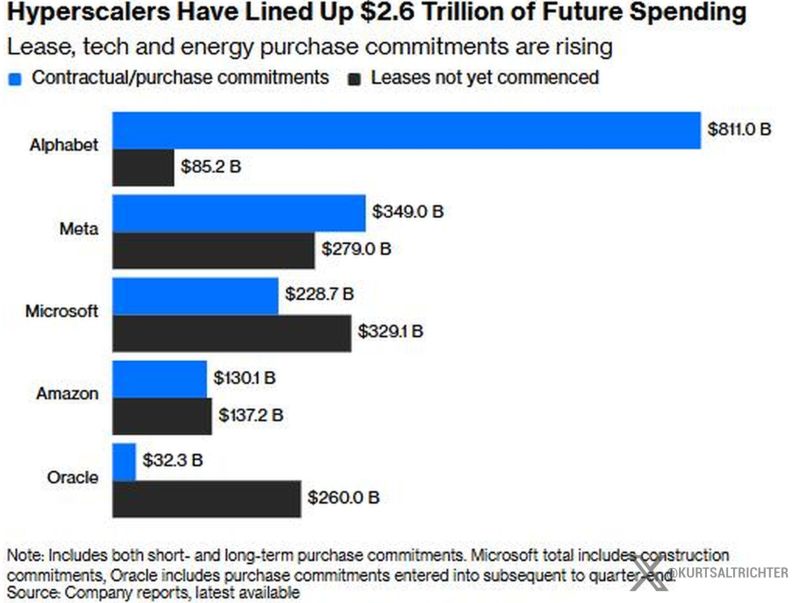
The scariest number in the AI boom may be the one you won’t find on the balance sheet.
The five largest hyperscalers have committed more than $2.6 trillion to data centers, chips, and power infrastructure. Alphabet alone reportedly carries $811 billion in commitments, much of it disclosed deep in the footnotes. And these obligations don’t disappear if AI demand falls short of expectations. Meanwhile, the cost of insuring Big Tech debt is already rising. That matters because credit markets often detect stress before equity markets do. If AI infrastructure spending grows faster than the revenues it generates, the first warning sign may not come from tech stocks. It could come from the bond market of the biggest companies on Earth. Source: Kurt S. Altrichter, CRPS®
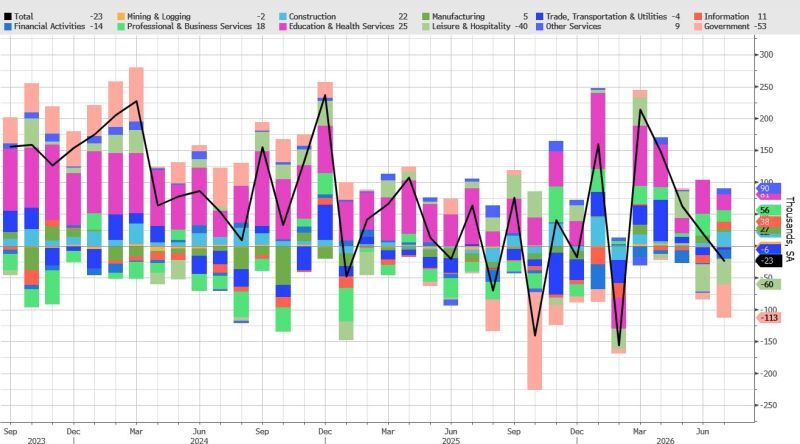
Two key drivers for today's big jobs drop:
1. Leisure and Hospitality jobs -40K (of which -26.1K restaurant workers and -16.1K performing arts, sports, amusement and recreation) which was mostly World Cup driven 2. Local government jobs, entirely due to education (-50K), i.e. vacation. Source: zerohedge
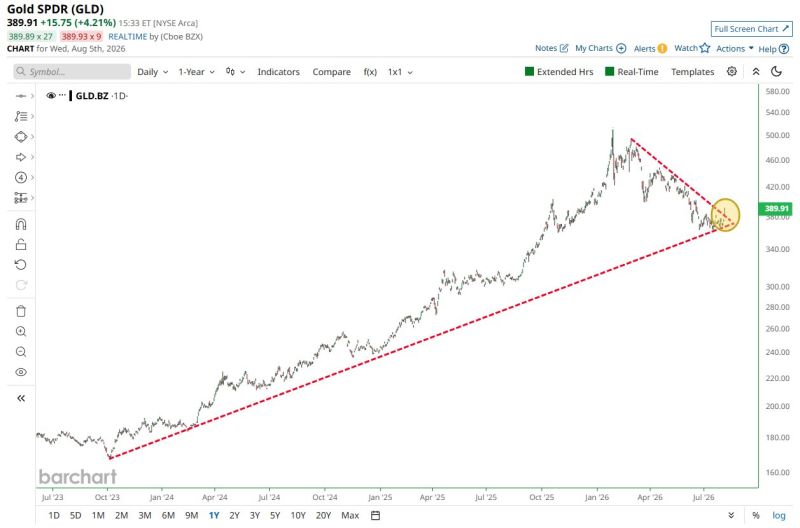
Gold ripping and now finally breaking out
Source: Barchart