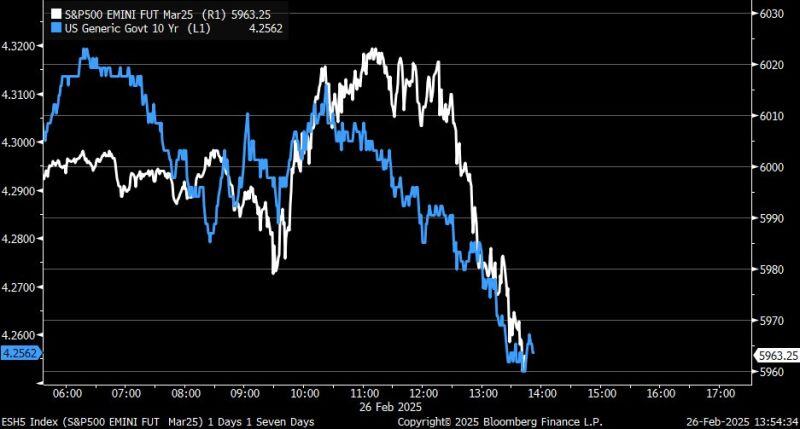
Yesterday, S&P 500 and 10y Treasury yield rolled over intraday ...
markets showing more concern for growth as opposed to inflation when it comes to tariffs. Source: Kevin Gordon @KevRGordon on X, Bloomberg
Bitcoin and TQQQ (3x QQQ) have moved in tandem for a long time.
Looks like BTC wants "this" even lower. Source: The Market Ear

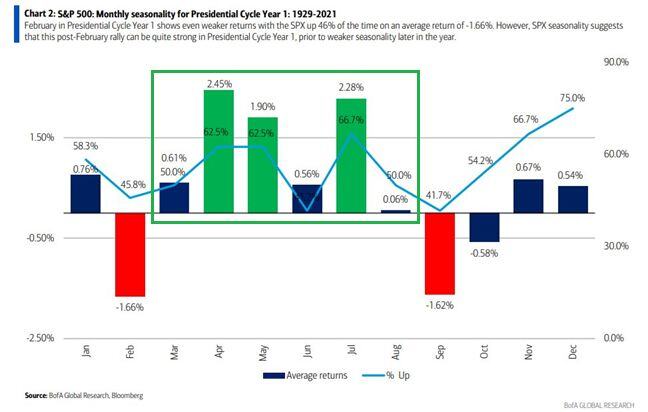
More Year 1 seasonality...
March-August pretty solid, on average. SPX 1929-2021 Suttmeier BofA. Source: Mike Zaccardi, CFA, CMT 🍖 @MikeZaccardi
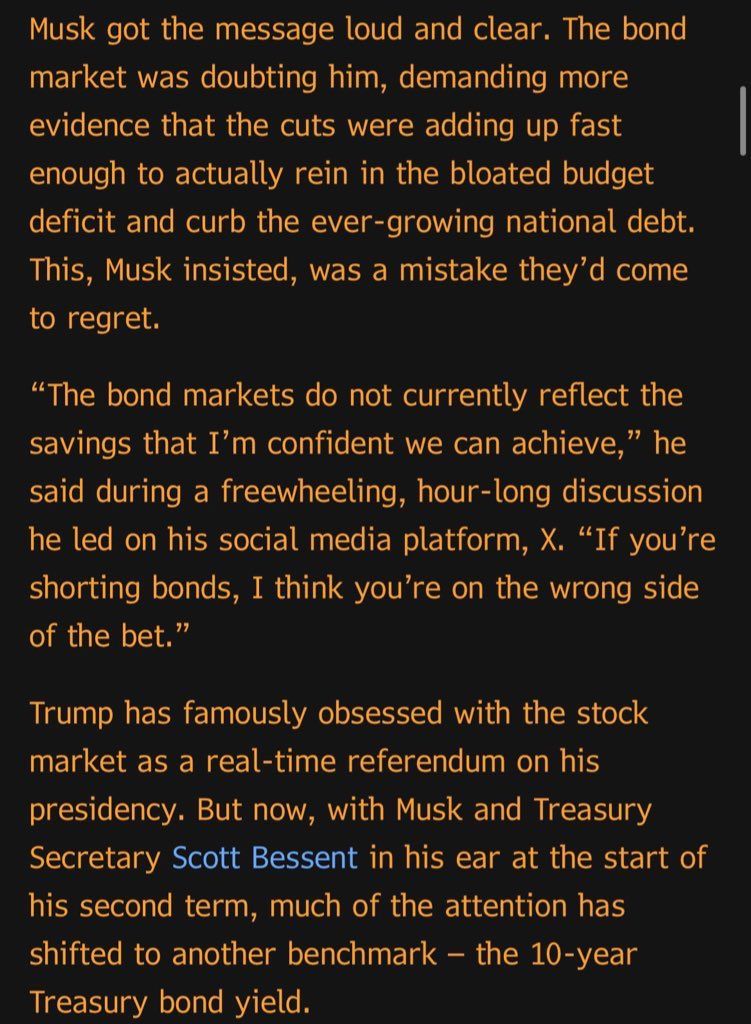
The Trump 1.0 put was on equities $SPY
Will the Trump 2.0 put be on us treasuries $TLT ??? Source: Geiger Capital @Geiger_Capital on X, Bloomberg
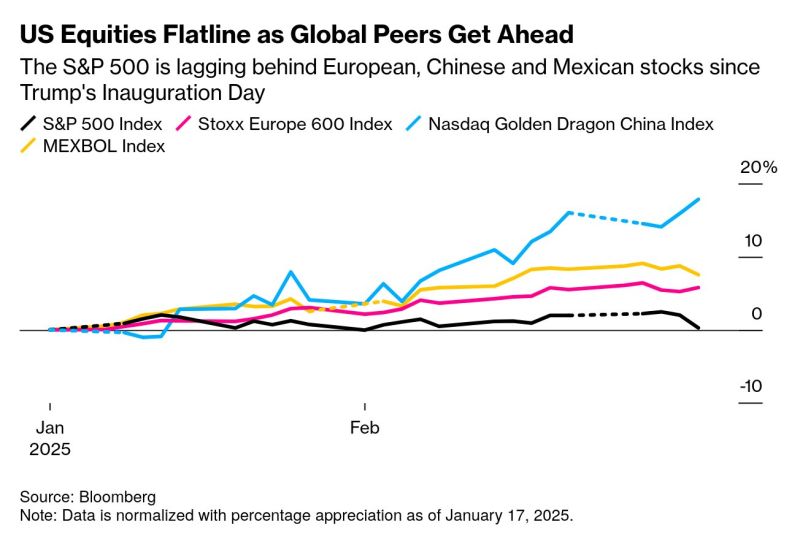
The S&P 500 has lagged behind Chinese, Mexican and European stocks since Trump's inauguration 👀
Source: Bloomberg
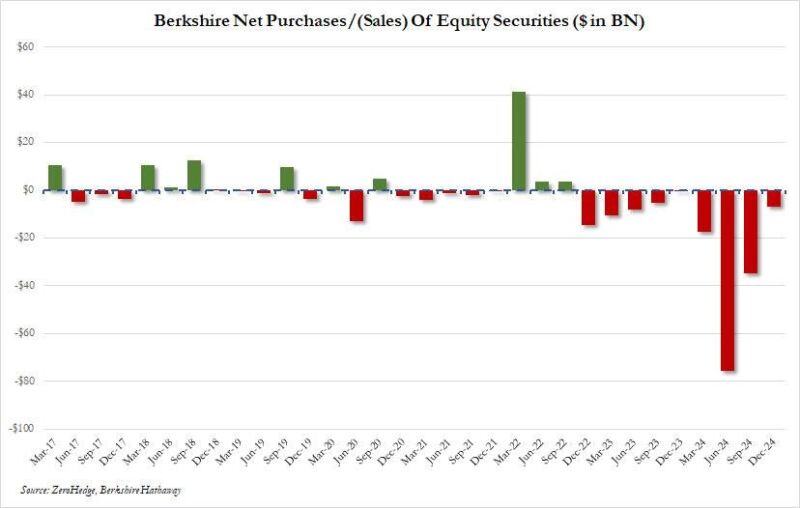
Warren Buffett has been a net seller of stocks for 9 consecutive quarters now…
(h/t @zerohedge)
While equities took a beating Friday, bonds quietly broke out—closing above 5 months of trendzone resistance.
Right into PCE week… Interesting. $TLT Source: Trend Spider

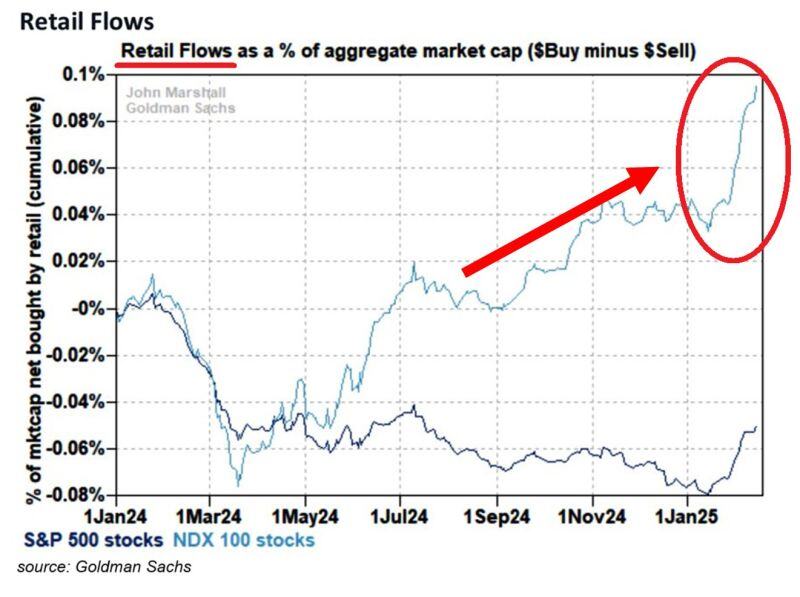
⚠️Retail investors are buying US stocks at the fastest pace on RECORD.
Mom-and-pop investors flows into technology stocks have more than DOUBLED in just a few weeks. Institutional investors selling to retail as they chase stocks at record valuations. Meanwhile, individual investors have UNDERperformed the market for 3 years in a row. Source: Global Markets Investor, Goldman Sachs