Michael Burry says OpenAI and Anthropic are faking the AI warnings due to slow growth ahead of IPOs
Below are his reasonings: 1. LLMs are not AI and won't be AGI. There is nothing AI to slow down. 2. Competition is coming up fast, slowing benefits incumbents. 3. IPOs need hype & puffery; "we are so awesome it could become dangerous" is hype & puffery 4. Cover for real uncontrollable slowing growth as IPOs look to be pushed out Source: Michael Burry Stock Tracker
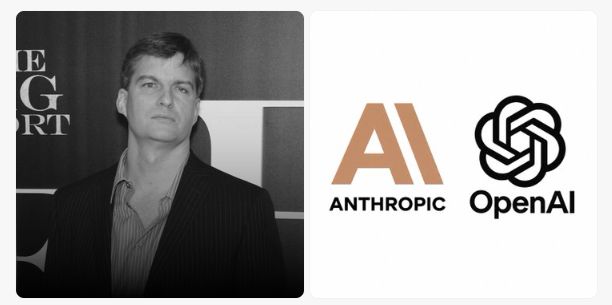
JPMorgan has just released a terrifying chart on the world's oil inventories.
The stockpiles are in free fall. And if this line reaches 6.8, the global economy might get into big troubles. Source: JP Morgan,
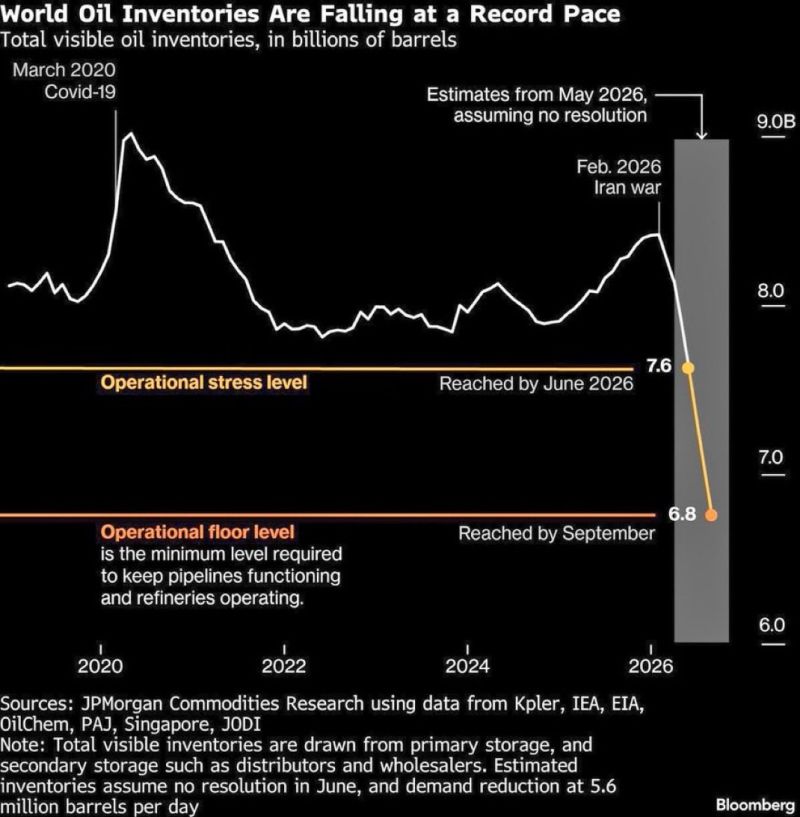
Top 5 hyperscaler capex estimate for 2026
Source: Invest In Assets
AI researcher Jacob Coxon quits Anthropic after 3 years at OpenAI and Anthropic, warning that many AI executives privately fear superintelligence "could kill us all" by the end of the decade.
He says both companies are racing toward self-improving superintelligence and "gambling with our lives." Source: Amrith Ramkumar

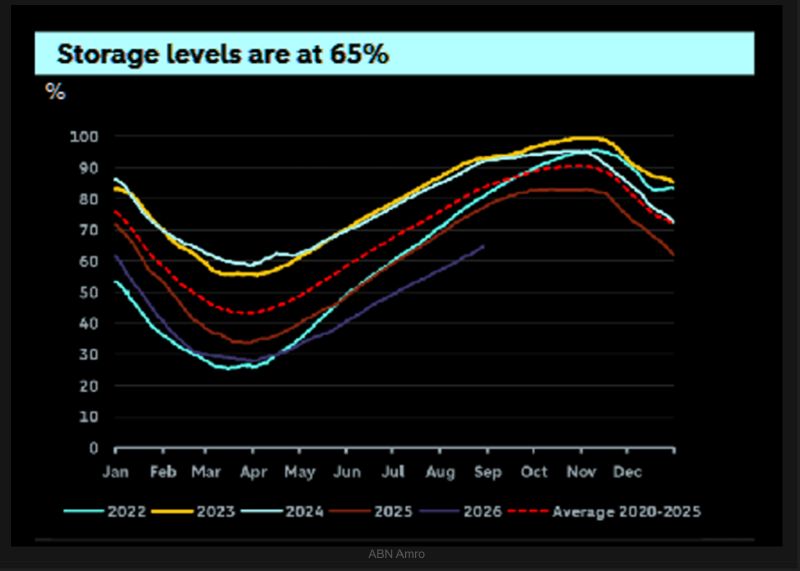
Gas is flashing red - The buffer is depleted
Europe is entering the 2026/27 heating season in its most vulnerable position since 2011. EU gas storage sits at just 65%, versus a five-year average of 82% and well below the EU's 90% target. Unlike a pure weather squeeze, Europe is entering this winter with a structural supply problem already in place. Disruptions at the Strait of Hormuz have effectively knocked out Qatari LNG, with exports collapsing by roughly 96%. Source: ABN Amro, TME
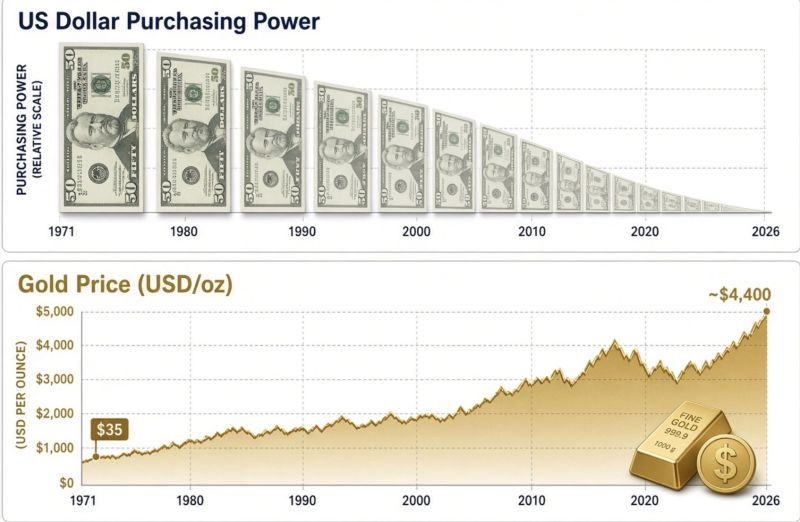
Gold is the same ounce
The dollar is not the same dollar. Most people still don’t get it. Source: @fthegurus
Is Athens Greece the new place to be ?
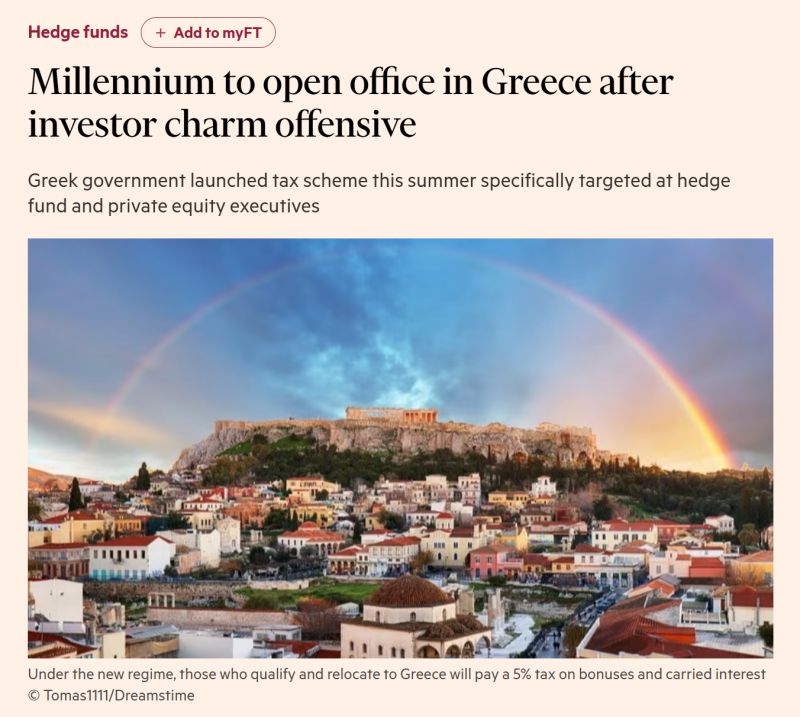
According to FT, Millennium Management, one of the world’s largest hedge funds, is planning to open an office in Athens, according to people familiar with the situation, as the Greek government launches a charm offensive to woo global investors. Rahul Chopra, senior portfolio manager at Millennium, is expecting to move to Athens from London, the people said. Millennium and the Greek finance ministry declined to comment. The move comes in the wake of a new tax scheme unveiled by the Greek government this summer that specifically targeted private equity and hedge fund executives. Billionaire hedge fund manager Chris Rokos, founder of Rokos Capital Management, is moving his tax residency from the UK to Greece. Greece already had a favourable tax rate for foreign individuals which allows them to keep foreign income assets out of the Greek tax net in exchange for a €100,000 annual fee. Under the new regime, those who qualify and relocate to Greece pay a 5 per cent tax on bonuses and carried interest — investment managers’ share of profits from successful deals — compared with the standard 15 per cent rate. But they also need to have a real presence in the country by spending €3mn a year on running expenses. Source: FT
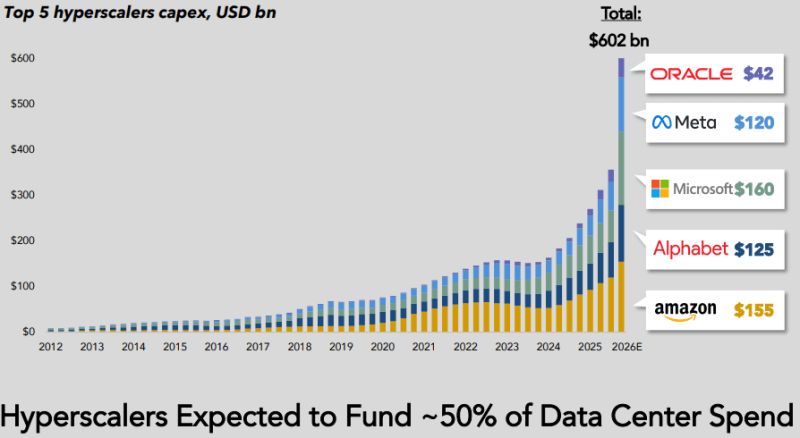
COPPER JUST HIT A RECORD HIGH
LME copper has surged above $14,530 per tonne, climbing more than 68% since “Liberation Day” in April 2025. Copper is often called “the metal with a PhD in economics” because demand is closely tied to global growth, construction, electrification and industrial activity. And right now, Dr Copper is sending a powerful signal: Strong economic momentum Rising inflationary pressure Booming demand for electrification and AI infrastructure Copper isn’t just rallying. It may be warning that the global economy is running hotter than expected. Source: Bianco Research