
AI isn’t just replacing jobs. It’s creating them.
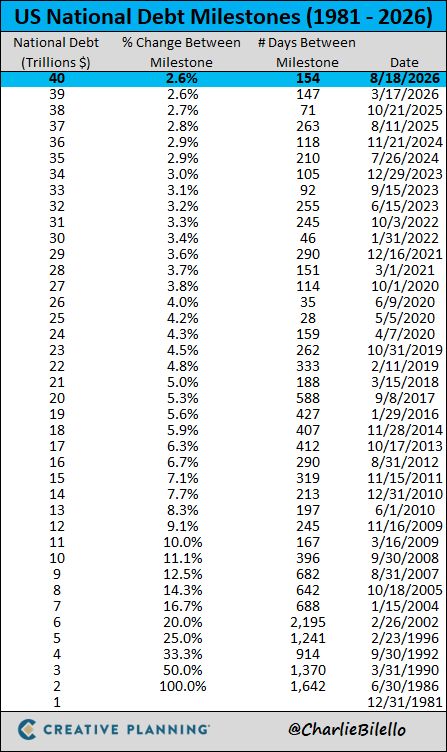
Since mid-2023, AI has generated roughly 1 million jobs in America—more than offsetting an estimated 200,000 AI-related losses, according to The Economist. Around 1% of US professional roles are now “AI jobs,” rising to 4–5% in computing and life sciences. But the biggest surprise may be outside software. AI infrastructure spending has increased by about $500 billion annually since 2022. Data-centre construction alone is running above $75 billion a year—creating demand for electricians, HVAC specialists, grid engineers and technicians. Meanwhile, supposedly vulnerable professions are still expanding: Paralegal employment: +11% Market-research analysts: +6% US employment overall: +2.5% The emerging picture is more nuanced than “AI destroys jobs.” For now, AI appears to be transforming work faster than it is eliminating it. Source: Bearly AI
Germany’s electricity market is flashing another warning sign.
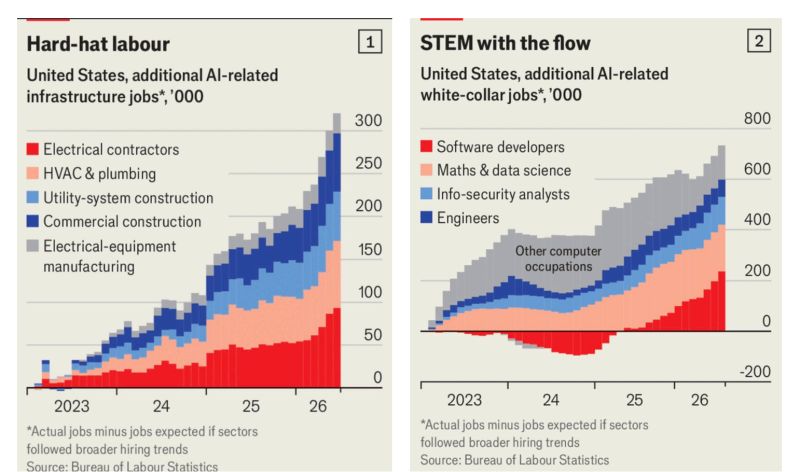
The country’s one-year forward power price has surged to €122/MWh—its highest level since 2023. This matters because the contract is a key benchmark for the procurement costs faced by household electricity suppliers. The main culprit? Surging natural gas prices. Under Europe’s merit-order system, the most expensive power plant required to meet demand sets the wholesale electricity price. And that plant is often gas-fired. So even when most electricity comes from cheaper sources, rising gas prices can lift the cost of the entire power market. The result: renewed pressure on households, businesses and Germany’s industrial competitiveness. Source: HolgerZ, Bloomberg
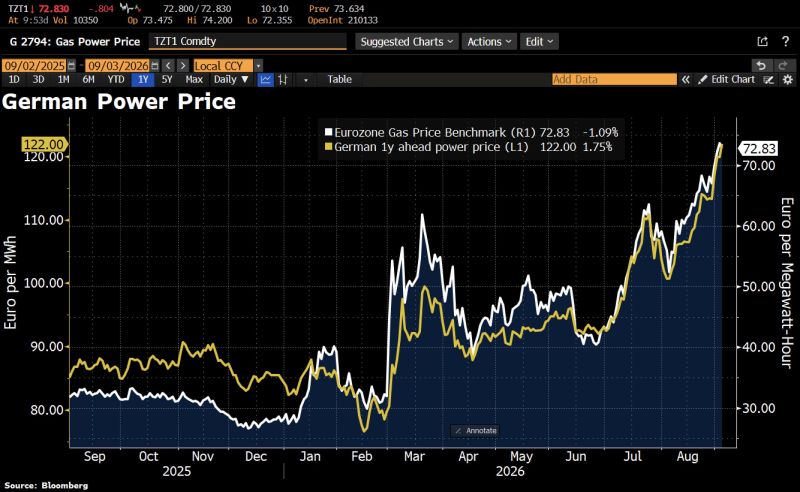
The US ISM Services report was particularly strong, both overall and relative to expectations
With nearly all activity and price subcomponents rising robustly (employment being the lone exception). Notably, overall business activity expanded to a six-month high, new orders climbed to their highest level in over three years, and prices paid reached a four-year peak. Source: Bloomberg, Mo El Erian
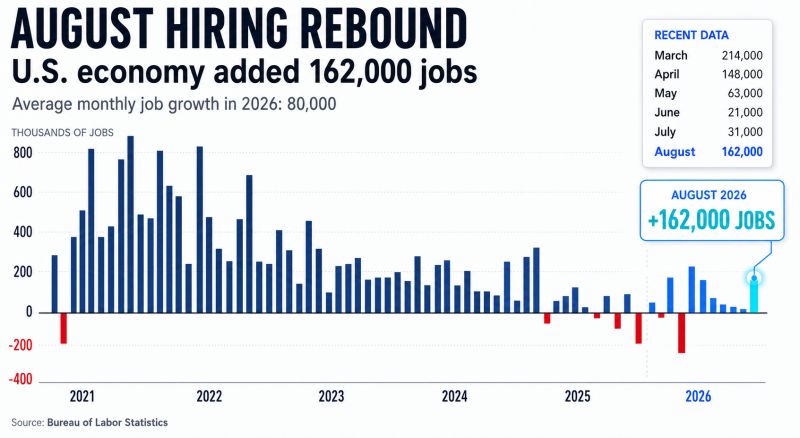
Nobody saw this one coming.
Wall Street expected just 55,000 new jobs in August, but the US economy added 162,000, nearly three times consensus, while July and June were also revised higher by a combined 55,000. Unemployment remained at 4.1% and the participation rate rose to 61.6%, with job creation broadening beyond healthcare to hospitality, education, construction and manufacturing. With the 2026 monthly average now around 80,000 jobs versus only 10,000 in 2025, the report suggests a much more resilient labour market than recent weakness narratives implied. For markets, however, stronger employment could weaken the case for Fed rate cuts, potentially putting upward pressure on yields and the dollar while weighing on stocks, crypto and gold. Source: BLS
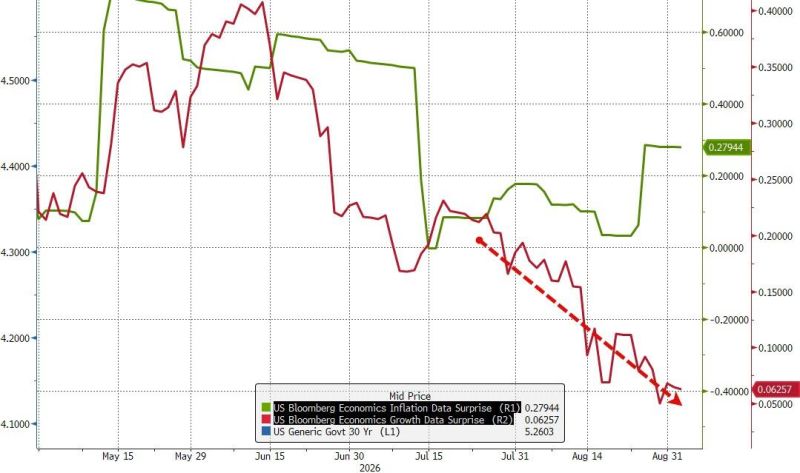
Is a growth scare coming?
In green -> US economic inflation data surprises In red -> US economic growth data surprises Source: zerohedge
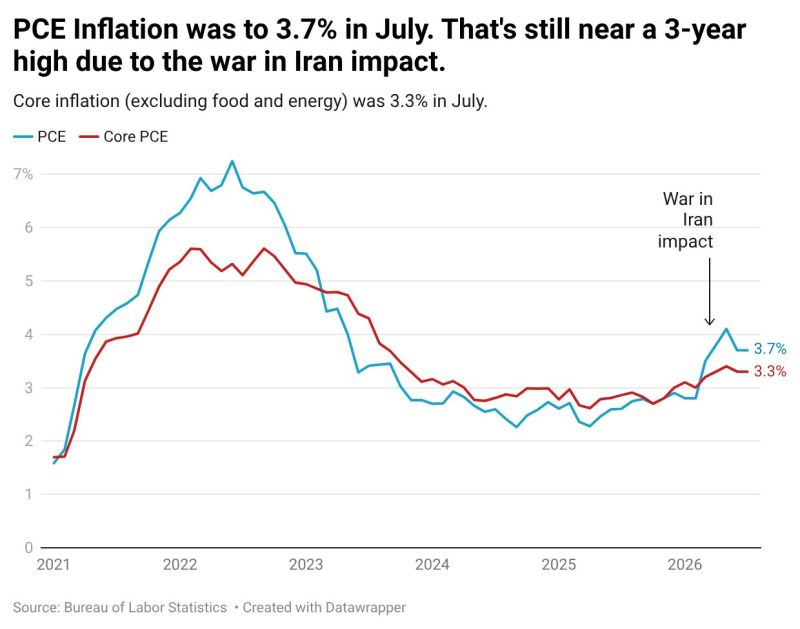
Inflation for July was 3.7%. That's slightly worse than expected (and still close to a three-year high).
The monthly increase was +0.2% (vs. 0.1% expected). CORE PCE (which excludes food and energy) LANDS RIGHT IN LINE — 3.3% vs 3.3% EXPECTED The monthly increase was +0.2% (as expected). → GDP Q2 (second estimate): 1.5%, unchanged from the advance print Bottom-line: No surprise here. No new signal. This is the Fed's preferred inflation gauge, more important than CPI for the rate decision, and it just confirmed the status quo (although probability of rate hike in September is slightly higher). The war in Iran impact is still in effect. Inflation didn't get any better in July, according to PCE. But the hold case for September stays exactly where it was, with no new argument for either side of the debate. GDP staying flat at 1.5% confirms growth is still weak, well below the 2.1% pace from Q1. Watch what happens next: → Stocks likely stay range-bound, no major catalyst either way → Bonds hold steady, yields shouldn't move much off this alone → Gold probably stay flat too, waiting for the next real catalyst → All eyes shift to Jackson Hole for the actual signal Source: Heather Long,
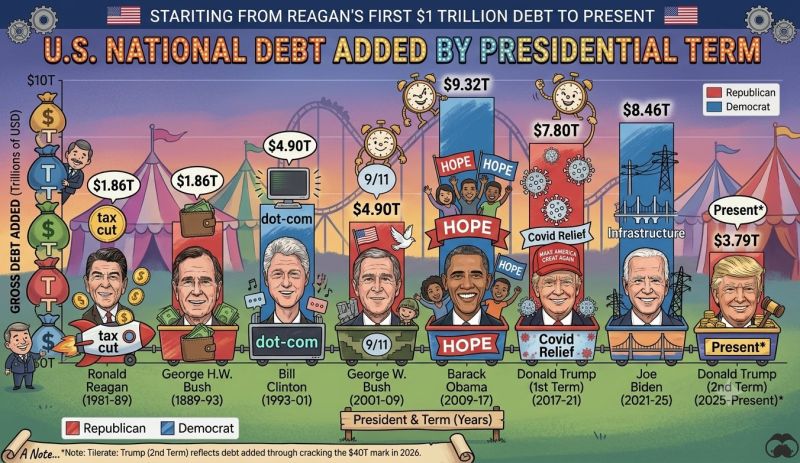
$40 trillion in debt
$1 trillion was first cracked in 1981 and here is how much each President has added since then. Source: Ryan Detick, CMT Visual Capitalist
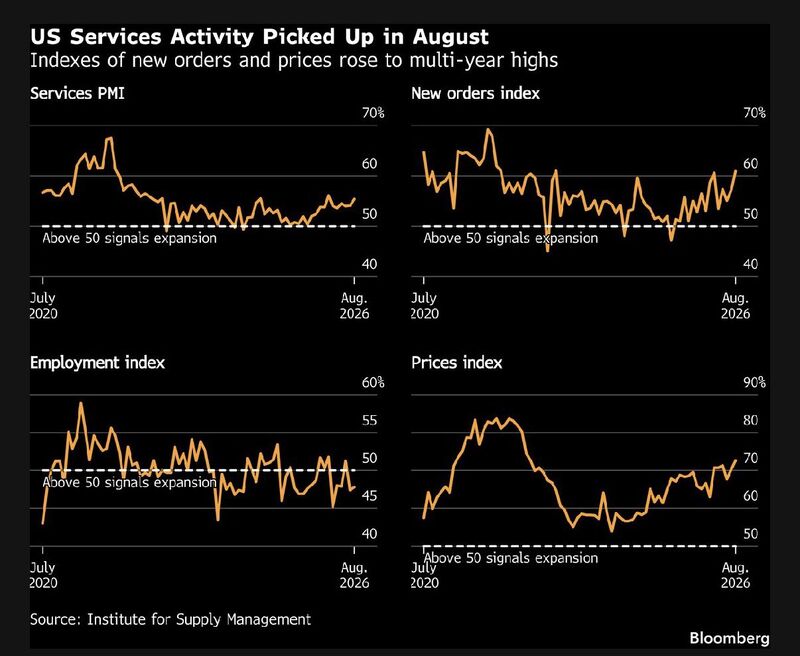
The total U.S. government debt reached $40.05 trillion as of Monday, according to the Treasury Department.
Treasury reported a $432.3 billion deficit in July, reaching its highest monthly level in more than five years. A decade ago, the national debt level was $19.4 trillion. Washington’s solution to every problem remains the same: Borrow more. Spend more. There is no fiscal discipline in sight. Source: Charlie Bilello CNBC