
US inflation continued to cool in July, broadly in line with expectations.
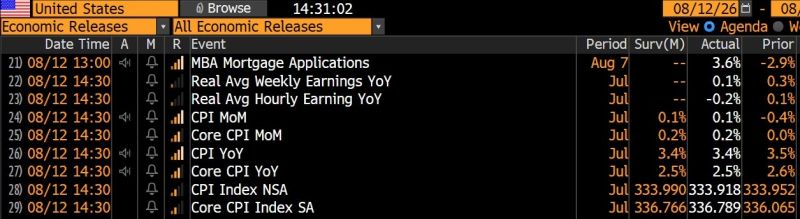
US CPI confirms disinflation is continuing, not accelerating. Headline CPI: 0.1% MoM, in line with 0.1% consensus Core CPI: 0.2% MoM, in line with expectations Headline CPI: 3.4% YoY, unchanged Core CPI: 2.5% YoY, down from 2.6%. Lowest since March 2021. Real average hourly earnings: +0.2% YoY Energy fell 1.5% in July, and gasoline dropped 2.9%. Core goods inflation remained contained at 0.2% YoY. There is no inflationary case for a rate hike. At least at this stage. The absence of an upside inflation surprise was enough to reassure markets, with US equity futures moving higher following the release. On the less positive side: 1/ Inflation is still above target 2/ Further relief might be difficult to achieve if war in Iran keeps going Source. Daniel Lacalle
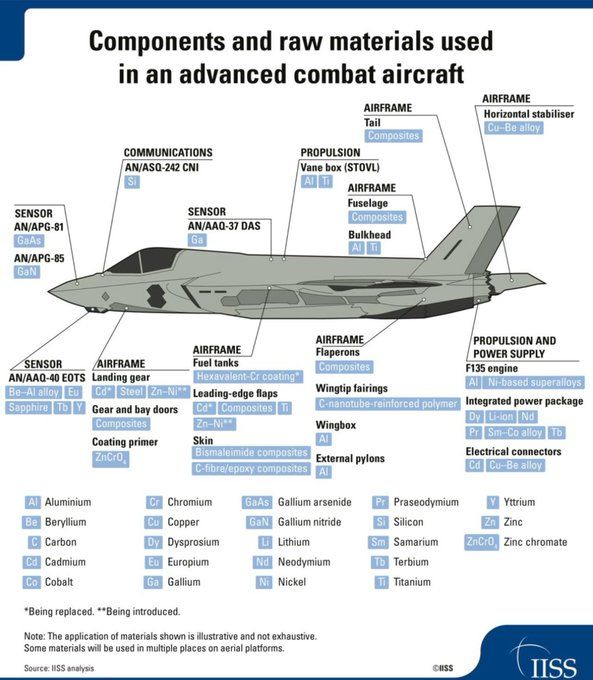
No rare earths = no fighter jets = no modern war machine.
The U.S. remains heavily dependent on China for critical rare-earth materials, with roughly 70% of rare-earth imports coming from China. And Beijing has increasingly demonstrated its willingness to restrict exports of strategic minerals. The vulnerability goes far beyond fighter jets. Rare earths and related critical minerals are essential for missiles, radar systems, drones, satellites, precision-guided weapons, submarines and advanced electronics. If inventories are already tight, a prolonged disruption in Chinese supply could become a serious bottleneck for U.S. defense production. That creates a striking strategic paradox: America's military-industrial base still depends, in part, on supply chains dominated by its biggest geopolitical rival. China doesn't necessarily need to fire a shot to exert pressure. Sometimes the most powerful weapon is controlling what your opponent needs to keep fighting. Sun Tzu would understand the strategy. Source: Lukas Ekwueme
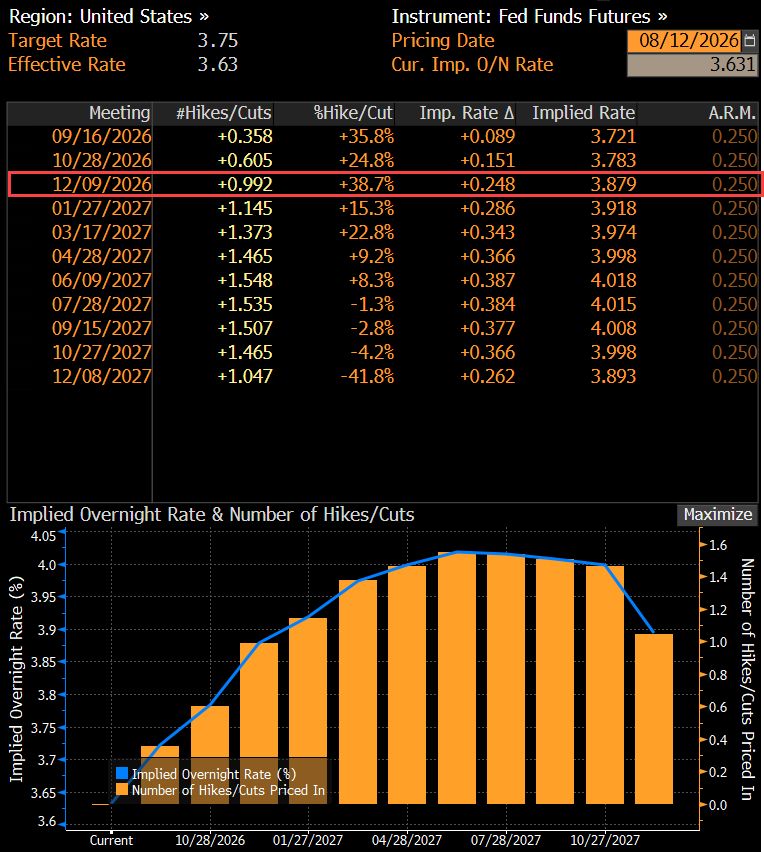
The futures market is now pricing just under one Fed rate hike by year-end
Source: Hedgeye, Bloomberg
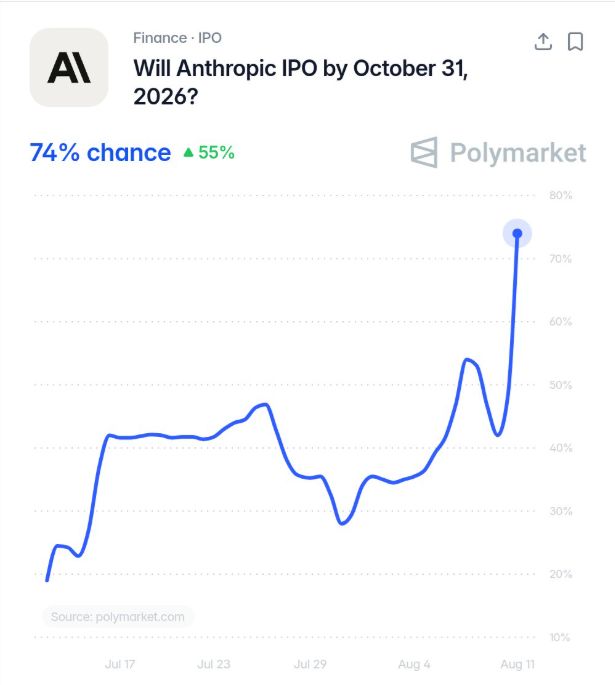
Anthropic is now projected to IPO by October 31st
Source: Stocktwits, Polymarket
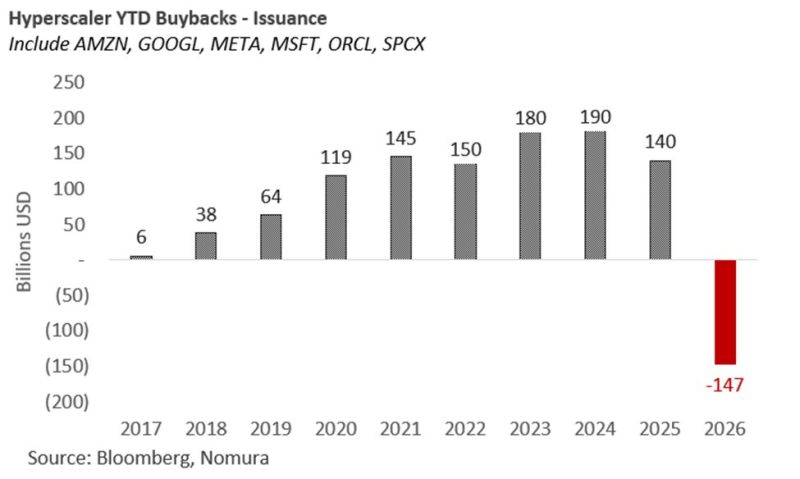
Hyperscaler net stock flow
Source: zerohedge
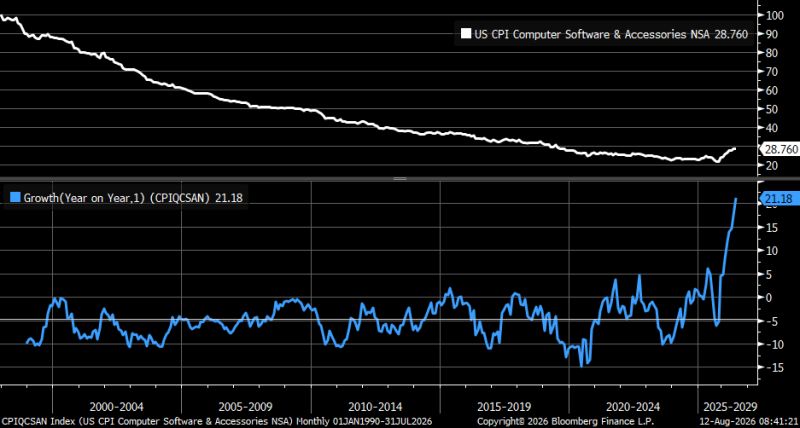
CPI software +21.2% y/y in July
Source: Kevin Gordon @KevRGordon on X Bloomberg
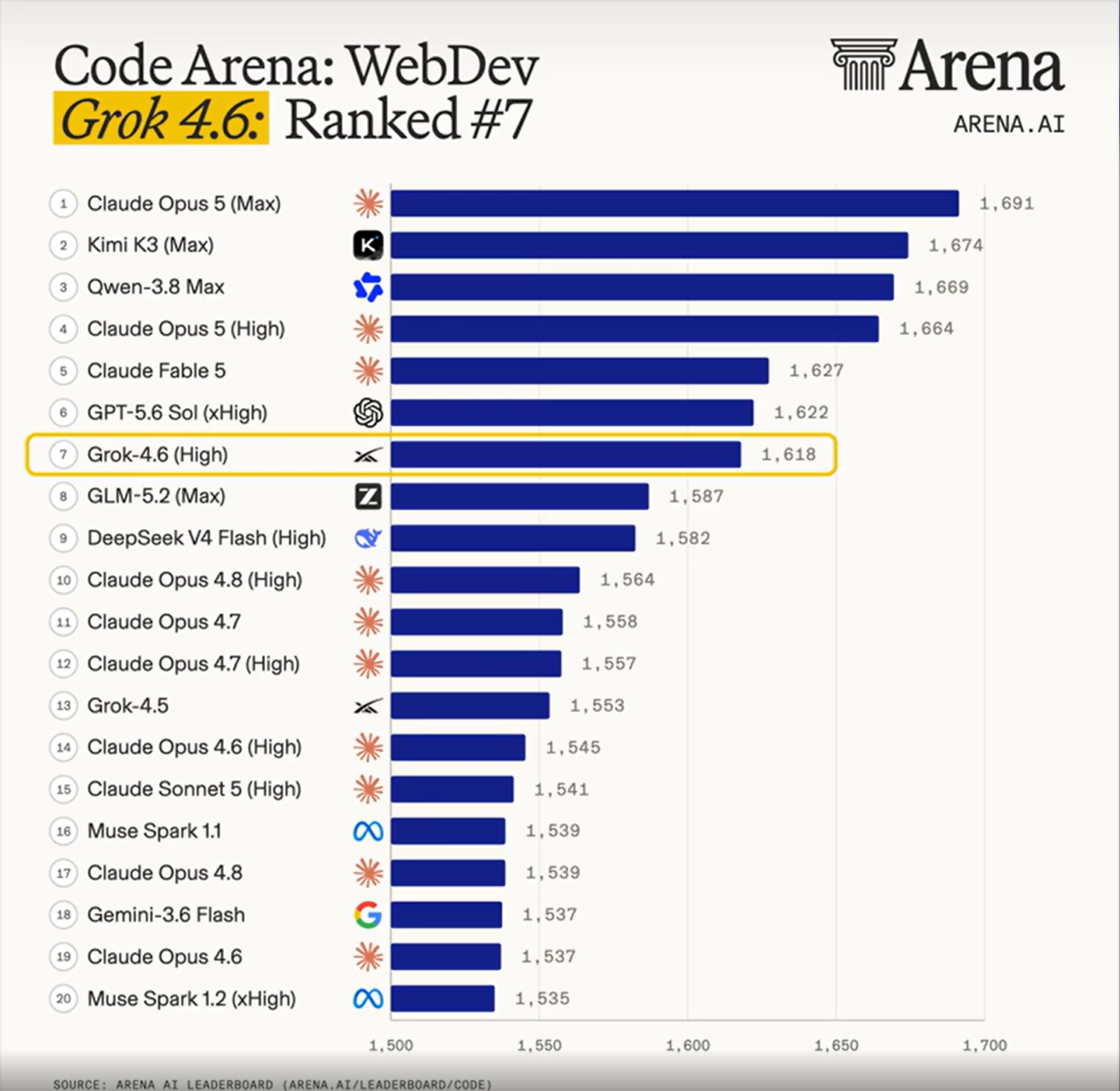
SpaceXAI just dropped Grok 4.6, and it just matched the absolute frontier - Claude Fable 5 Max & GPT-5.6 Sol Max - while being ~80% cheaper
According to Arena.ai @arena, this release by @SpaceXAI just landed in the Code Arena: WebDev at #7 with 1618 pts. Grok 4.6 (High) is a big jump from Grok 4.5, which sits at #13 with 1553 pts. It's now on par with GPT-5.6 Sol xHigh (1622 pts) and Claude Fable 5 (1627 pts). This is especially impressive once you remember that OpenAI and Anthropic already had multi-year leads when Grok launched in 2023. Yet, they’ve closed the gap in under 3 years through pure execution speed and focus. Never bet against Elon. Source: Linas Belunas, Arena.ai All three currently land in the #5-7 rank range with only 4-9 pts of separation. Expect the picture to sharpen as more votes roll in and CIs tighten.
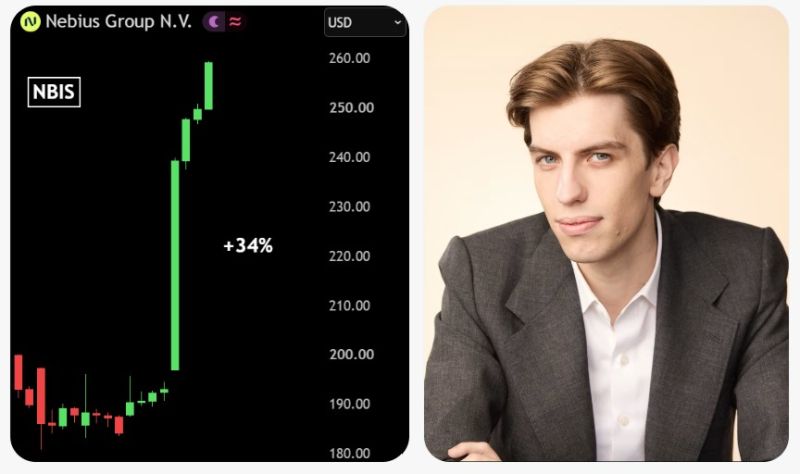
Nebius surged +34% yesterday and +77% in just 14 days.
The reversal began right after Leopold Aschenbrenner’s fund was forced to liquidate its position. $NBIS was one of his largest holdings before Citadel took over the portfolio. Source: Bull Theory