Straight from the Desk
Syz the moment
Live feeds, charts, breaking stories, all day long.
- All
- equities
- United States
- Macroeconomics
- Food for Thoughts
- markets
- Central banks
- Fixed Income
- bitcoin
- Asia
- geopolitics
- europe
- Commodities
- investing
- gold
- technical analysis
- AI
- Crypto
- Technology
- nvidia
- ETF
- earnings
- Forex
- china
- oil
- Real Estate
- energy
- banking
- Volatility
- magnificent-7
- Alternatives
- apple
- emerging-markets
- switzerland
- tesla
- Middle East
- United Kingdom
- amazon
- assetmanagement
- russia
- microsoft
- ethereum
- ESG
- meta
- Industrial-production
- bankruptcy
- Healthcare
- Turkey
- Global Markets Outlook
- africa
- Market Outlook
- brics
- performance
Is the petrodollar era starting to erode?
A Deutsche Bank report questions the future of the petrodollar system, where oil trade in USD underpins global demand for the currency. Emerging shifts Middle Eastern oil flowing to Asia, countries like Russia and Iran trading outside the dollar, and Saudi Arabia considering alternatives are increasing pressure. Geopolitical tensions and risks to Gulf supply routes could accelerate change. Combined with the rise of renewables and energy independence, a gradual decline in USD dominance may reshape global financial power.Source: ZeroHedge, Deutsche Bank
Why the West Remains Calm
Goldman Sachs explains that despite a sharp drop of 270 million barrels in global oil shipments within three weeks, Western economies remain stable. High oil inventories across OECD Europe and the Americas cushion any supply shock, preventing immediate disruption. This insulation allows major U.S. oil companies to achieve exceptional profitability even as global supply tightens. Consequently, the West is not protected but may benefit from current conditions, raising questions about who advantages from ongoing disruptions in the Strait of Hormuz. Source: Qasem Al-Ali (@AlaliQasem)
Dow Chemical just doubled their polyethylene price increase, from $0.15/lb to $0.30/lb, effective April 1st. That's roughly a 60% price hike on the most widely used plastic on Earth.
LyondellBasell has gone even further, $0.35/lb in cumulative increases through May. Polyethylene is in your packaging, your water bottles, your grocery bags, your construction materials, your medical supplies. About 50% of global production capacity is now either offline or feedstock-constrained because of the Hormuz crisis. This is how a war in the Middle East shows up at your grocery store. Energy costs don't stay in the energy sector. They flow through everything you buy. Source: TFTC @TFTC21
The Philippines has become the first country to declare a national energy emergency amid the Iran conflict
with just 45 days of fuel reserves remaining. President Ferdinand Marcos Jr. signed Executive Order 110, warning of an “imminent danger” to the country’s energy supply. The order, in effect for one year, allows the government to directly procure fuel, enforce rationing, and control distribution of essentials like food and medicine. The vulnerability is stark. The Philippines imports 98% of its oil from the Gulf. Its top suppliers—Saudi Arabia ($1.79B), the UAE ($1.22B), and Iraq ($474M)—are all directly affected by the conflict. With the Strait of Hormuz effectively shut, these supply routes are under severe strain, and Saudi exports to Asia have already been cut for a second straight month. Domestically, the country produces just 14,300 barrels per day but consumes around 474,000—a massive 97% shortfall. This is what a global energy shock looks like in real time. Source: TFTC
Will Oil prices continue mirroring the 1990 Gulf War analog?
Source: The Chart Report
Recurring Deal-Making Pattern: Markets, Denials, and Strategic Timing
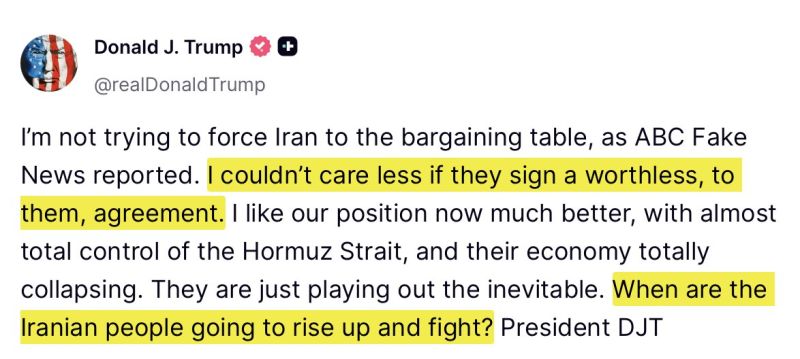
A familiar strategy emerges: in April 2025, yields rose and Donald Trump signaled a China deal, denied by China before confirmation weeks later. Now, similar dynamics appear with Iran—denials, market pressure, and rising yields suggest ongoing hidden negotiations. This “denial phase” implies continued volatility, conflicting headlines, and delayed market stabilization as leverage is maintained until agreements finalize. Source: The Kobeissi Letter, CNBC, WSJ
This is notable news from Bloomberg given Apollo's standing in private credit:
"Apollo Global Management Inc. is curbing redemptions from one of its largest non-traded private credit funds for retail investors, becoming the latest alternative asset manager to grapple with a surge in such requests. The $25 billion business development company, Apollo Debt Solutions, capped withdrawals at 5% of outstanding shares Monday after clients sought to redeem 11.2%." Source: Mo El Erian on X, Bloomberg
Investing with intelligence
Our latest research, commentary and market outlooks