
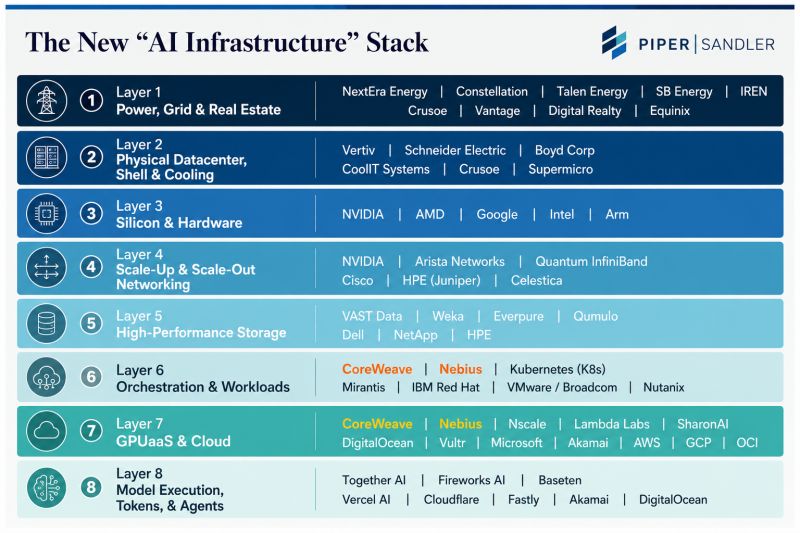
The new AI infrastructure stack
Piper Sandler mapped the new AI infrastructure stack across 8 layers from the power grid all the way to the agent as AI scaling creates bottlenecks across power, cooling, networking, storage, cloud & inference: Source: Shay Boloor Piper Sandler
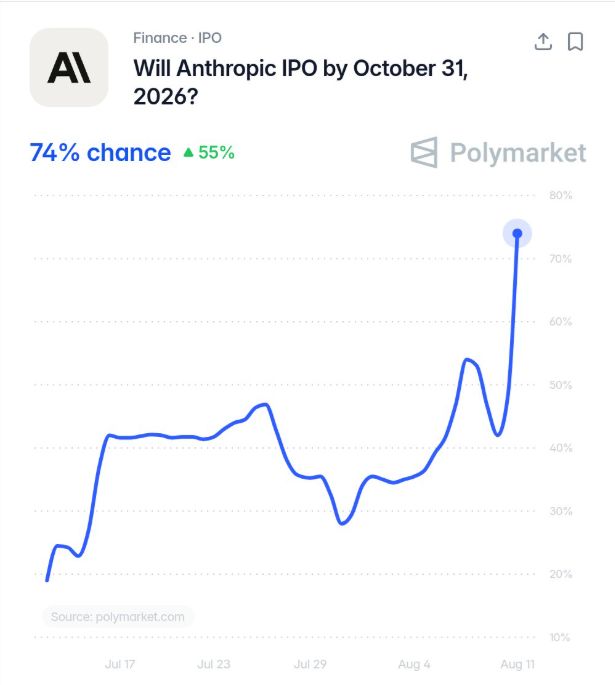
Anthropic is now projected to IPO by October 31st
Source: Stocktwits, Polymarket
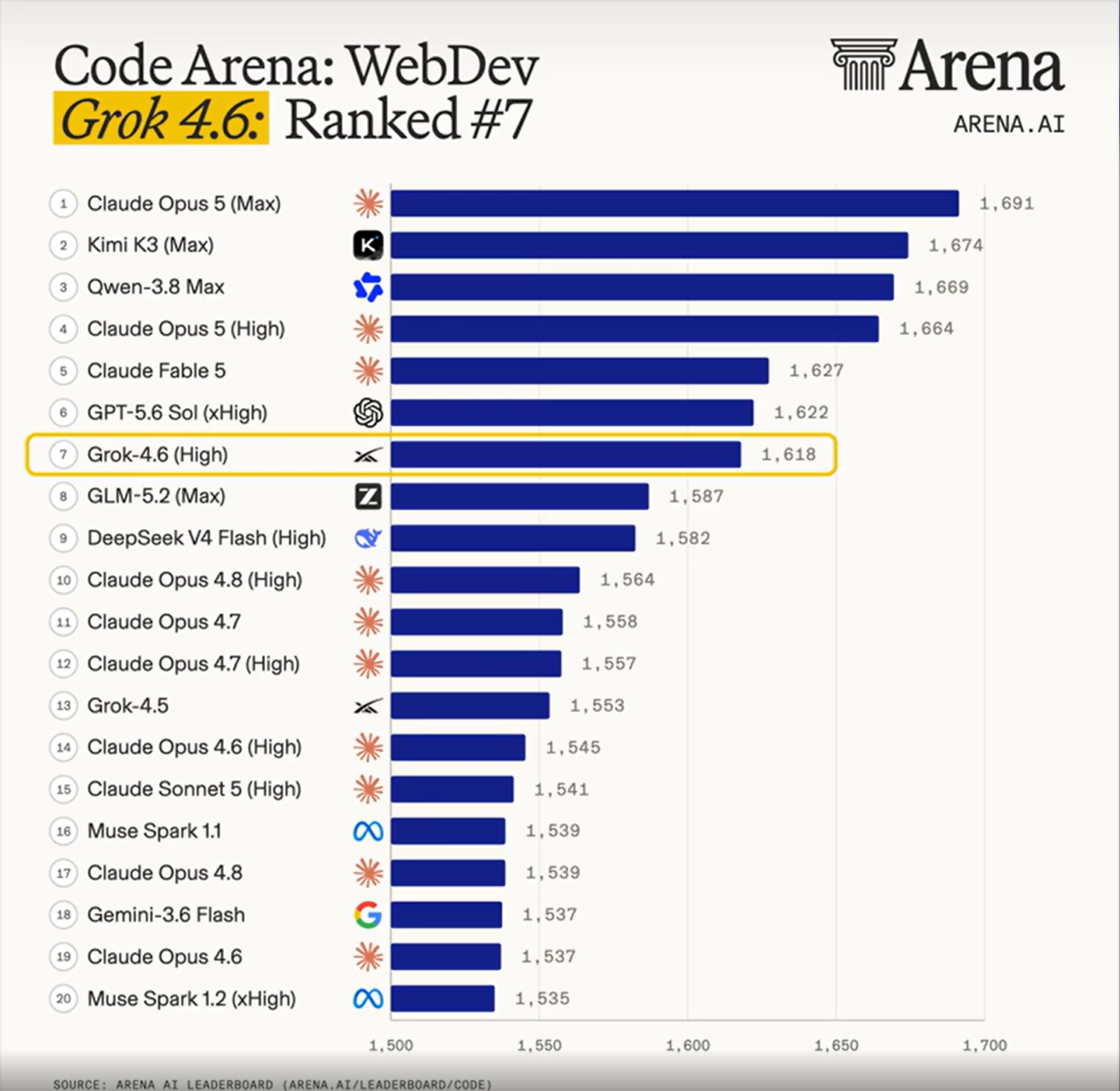
SpaceXAI just dropped Grok 4.6, and it just matched the absolute frontier - Claude Fable 5 Max & GPT-5.6 Sol Max - while being ~80% cheaper
According to Arena.ai @arena, this release by @SpaceXAI just landed in the Code Arena: WebDev at #7 with 1618 pts. Grok 4.6 (High) is a big jump from Grok 4.5, which sits at #13 with 1553 pts. It's now on par with GPT-5.6 Sol xHigh (1622 pts) and Claude Fable 5 (1627 pts). This is especially impressive once you remember that OpenAI and Anthropic already had multi-year leads when Grok launched in 2023. Yet, they’ve closed the gap in under 3 years through pure execution speed and focus. Never bet against Elon. Source: Linas Belunas, Arena.ai All three currently land in the #5-7 rank range with only 4-9 pts of separation. Expect the picture to sharpen as more votes roll in and CIs tighten.
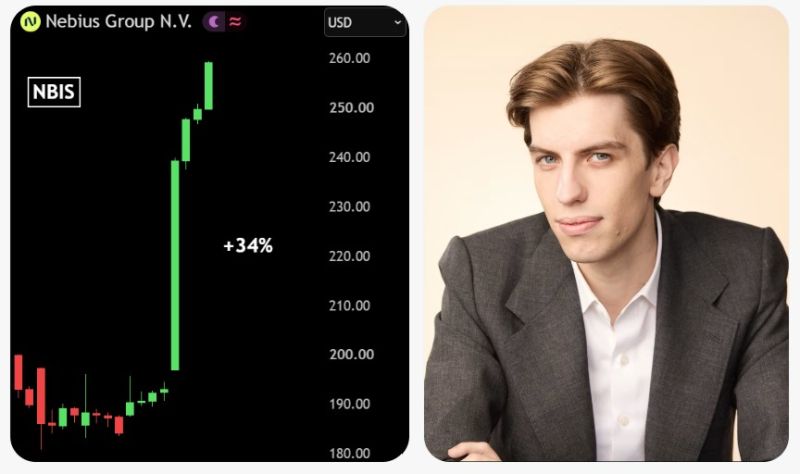
Nebius surged +34% yesterday and +77% in just 14 days.
The reversal began right after Leopold Aschenbrenner’s fund was forced to liquidate its position. $NBIS was one of his largest holdings before Citadel took over the portfolio. Source: Bull Theory
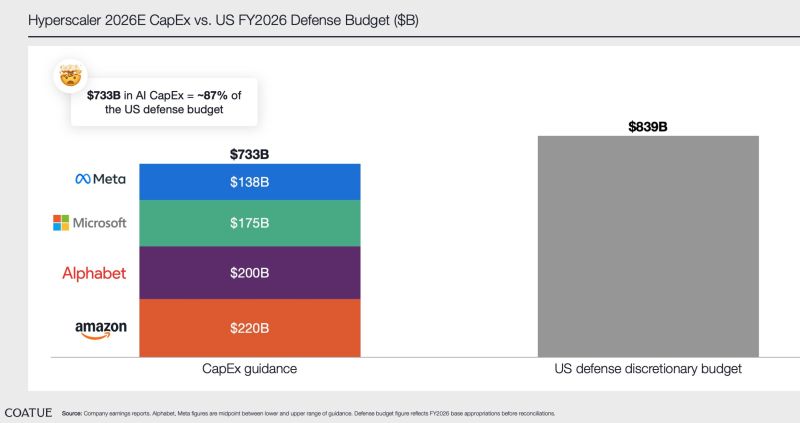
Four companies now spend like a superpower.
Hyperscaler AI capex is on track for ~$733B in 2026, about 87% of the base US defense budget.
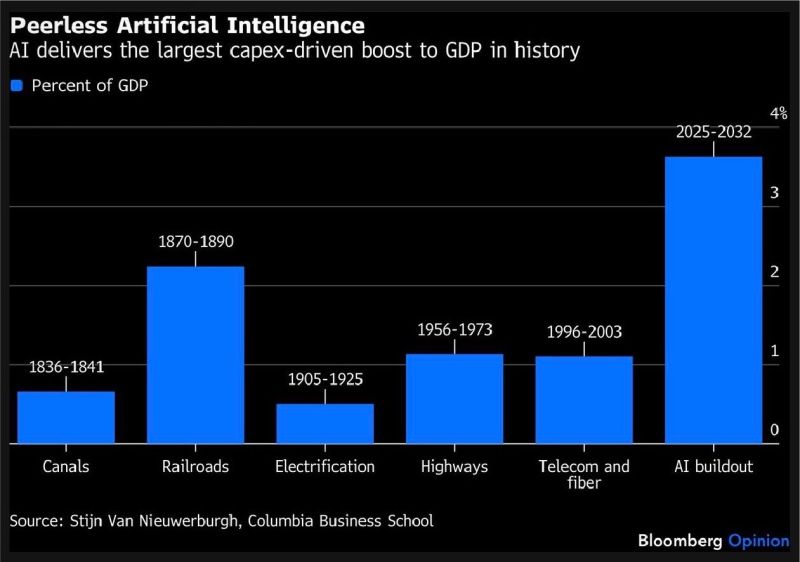
“Virtually nothing matters more to markets at present than the AI buildout. It’s such a sudden and massive stimulus for the US that it has shifted macroeconomic data. "
Columbia Business School’s Stijn Van Nieuwerburgh argues that without it, the US would be in recession. He estimates AI infrastructure investment at roughly 2.8% of GDP, larger than the railroad boom, and it’s projected to keep rising Source: Annmarie Hordern Bloomberg
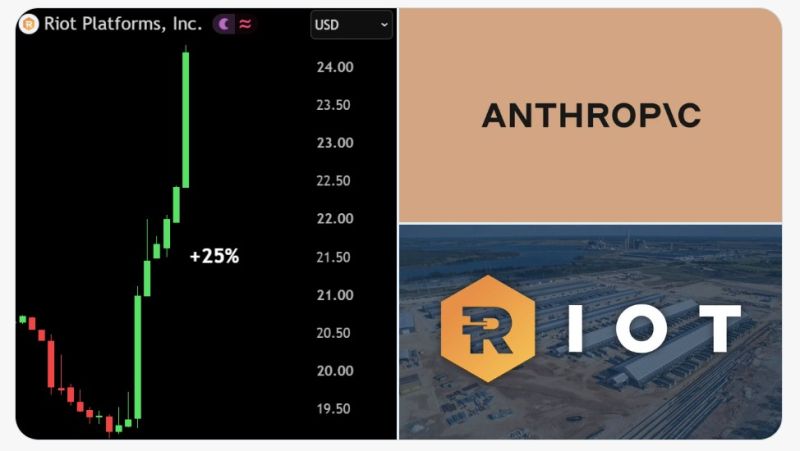
Anthropic has struck a $9.1 billion deal with Riot Platforms, a Bitcoin miner that recently started selling AI data center capacity.
Riot shares surged +25% in after-hours trading after the news. Riot will supply 191 megawatts of computing from its Rockdale, Texas campus - enough to power roughly 143,000 homes. The contract runs 20 years, through June 2048. It can be extended twice, by five years each, pushing total sales as high as $16.1 billion. Source: Bull Theory
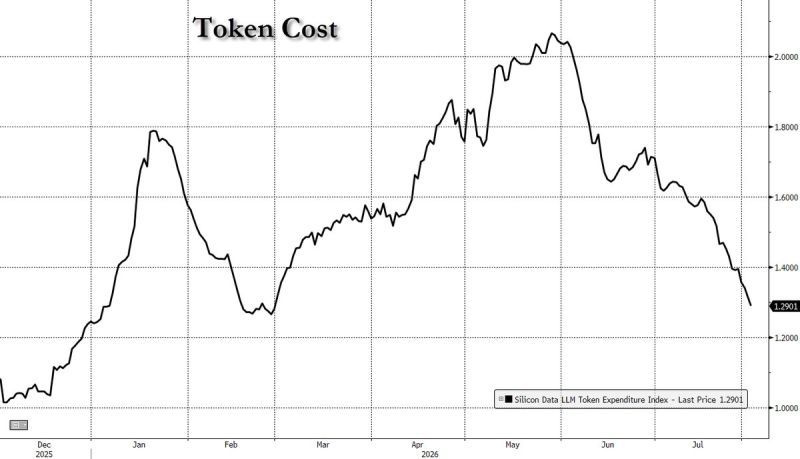
AI TOKEN COSTS ARE DOWN 40% FROM THEIR MAY PEAK.
The main reason? Chinese AI models are dramatically cheaper. DeepSeek, Qwen and Kimi are delivering increasingly competitive performance at 10–35x lower token prices than many U.S. alternatives — and already account for as much as 46% of usage in some enterprise segments. The pressure is spreading. OpenAI, Google and Anthropic have responded by cutting prices by as much as 80%. This creates an interesting dynamic: Cheaper inference → more AI adoption → more token consumption → more demand for compute. But at the same time, it is compressing margins and commoditizing the intelligence layer. The likely long-term winners could therefore be the hyperscalers and infrastructure providers: even if the price per token collapses, exploding volumes can more than compensate. AI intelligence may become a commodity. AI compute may not. And markets still seem far from fully pricing that shift. Source: Austral Research, zerohedge