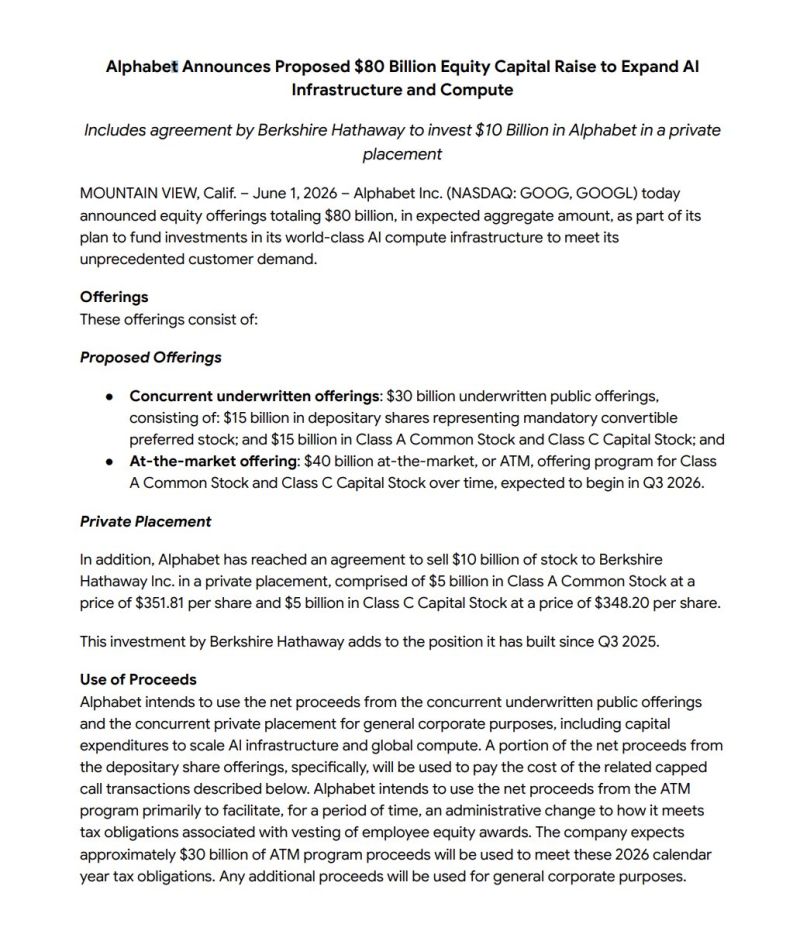

OpenAI just pulled the trigger on what could become the biggest IPO in tech history.
The ChatGPT maker confidentially filed to go public. Potential valuation? 👉 Over $1 TRILLION. And the timing is wild. Within days: • SpaceX is preparing a massive IPO at a $1.78T valuation • Anthropic has already filed • Wall Street’s AI race just went fully public This isn’t just another tech listing. It’s the moment AI officially becomes the center of global capital markets. But here’s the fascinating part: OpenAI is still losing enormous amounts of money. Despite: • 900M+ ChatGPT users • Explosive revenue growth • Record-breaking fundraising • Massive investor hype The company continues burning billions on: • AI research • Data centers • Compute infrastructure • Talent wars And investors still can’t get enough. That tells you everything about where markets believe the future is heading. OpenAI says it “hasn’t decided on timing yet.” Translation: They want optionality. Stay private long enough to move fast… But be ready to tap public markets the second conditions are perfect. Meanwhile: • Elon Musk’s lawsuit against OpenAI was thrown out last month • Discussions with the US government are reportedly happening • Employees may soon get liquidity through a secondary sale This is no longer just a startup story. Source: FT
In case you missed it. Anthropic will reportedly release its new AI model “Mythos” tomorrow.
Source: Polymarkets money on X

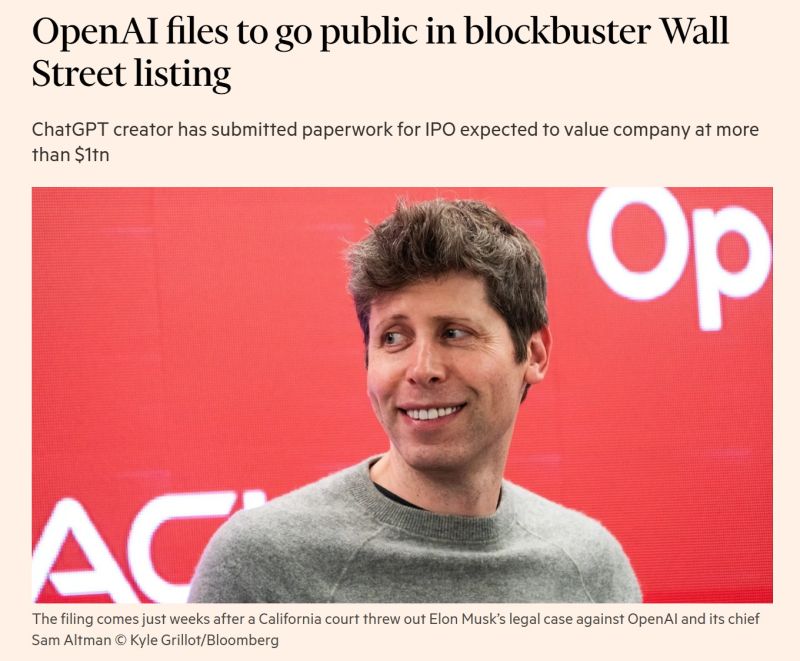
Anthropic is now worth as much as 11 of the biggest software companies combined.
Source: Carbon Finance
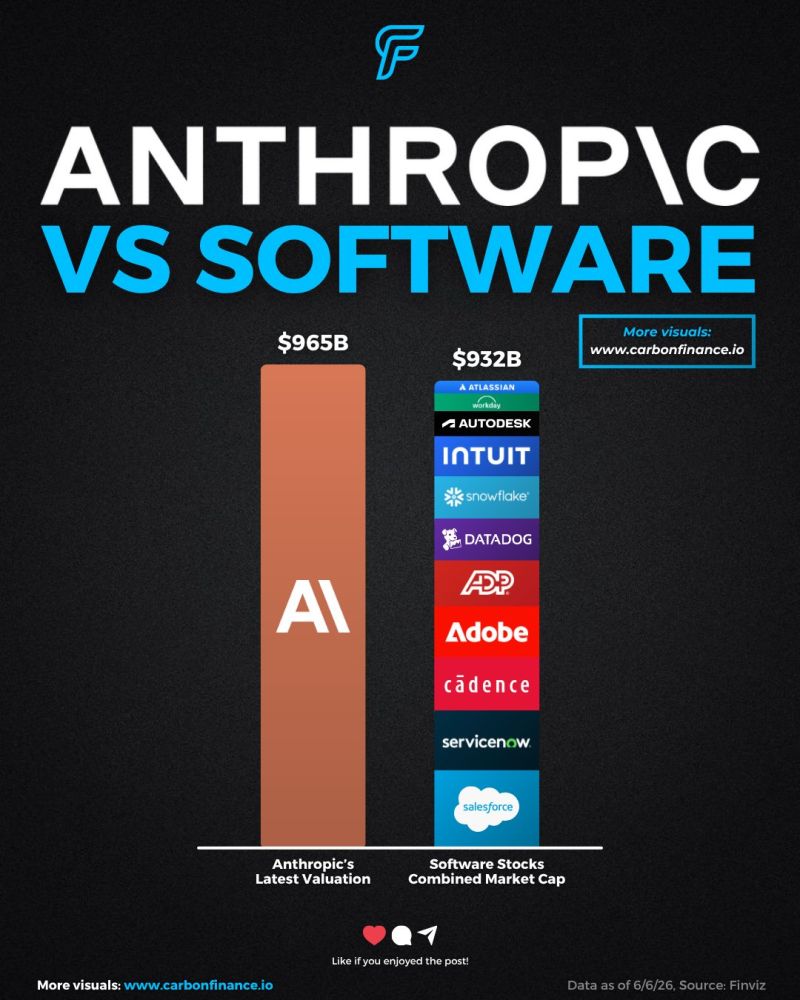
For the 3rd month in row, AI was the #1 reason for job cuts in the US.
88k job cuts were attributed to AI so far this year, a 60% increase over the AI-driven job cuts in all of 2025. Source: Charlie Bilello
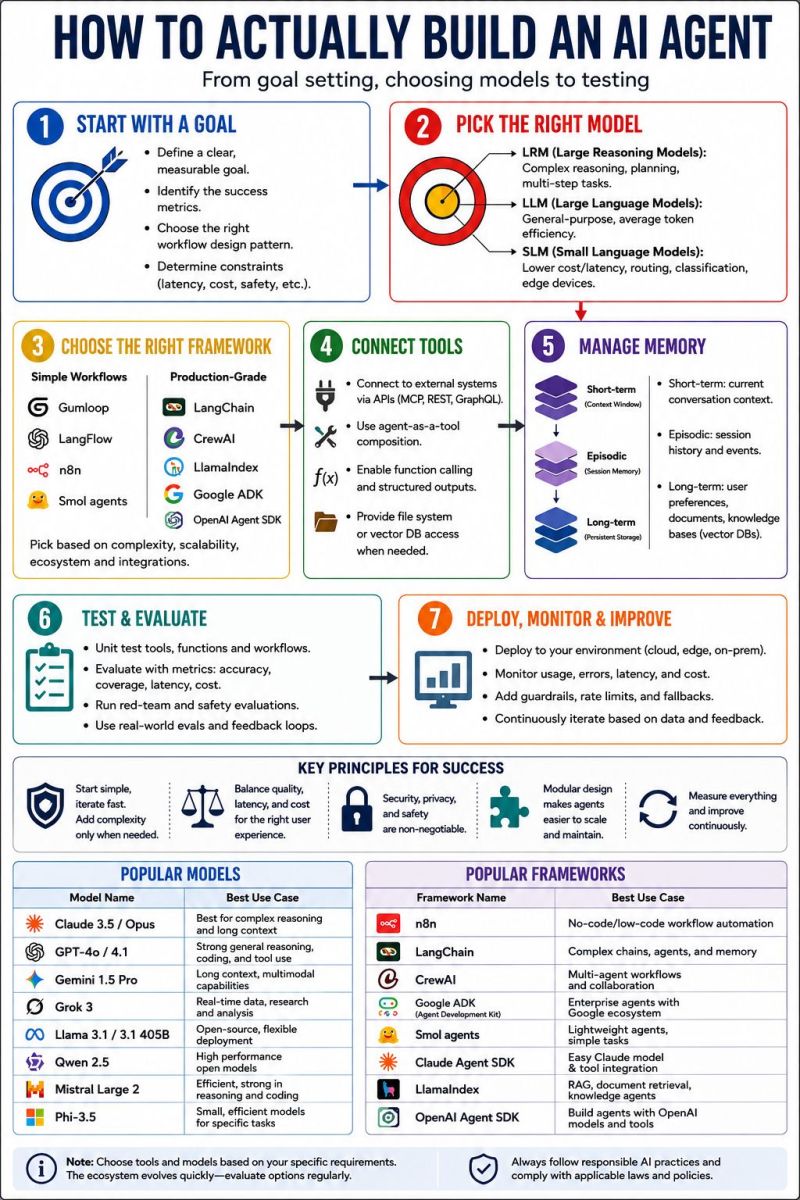
How to Actually Build an AI Agent (That Works in Production)
Source: Bekalu Tamene
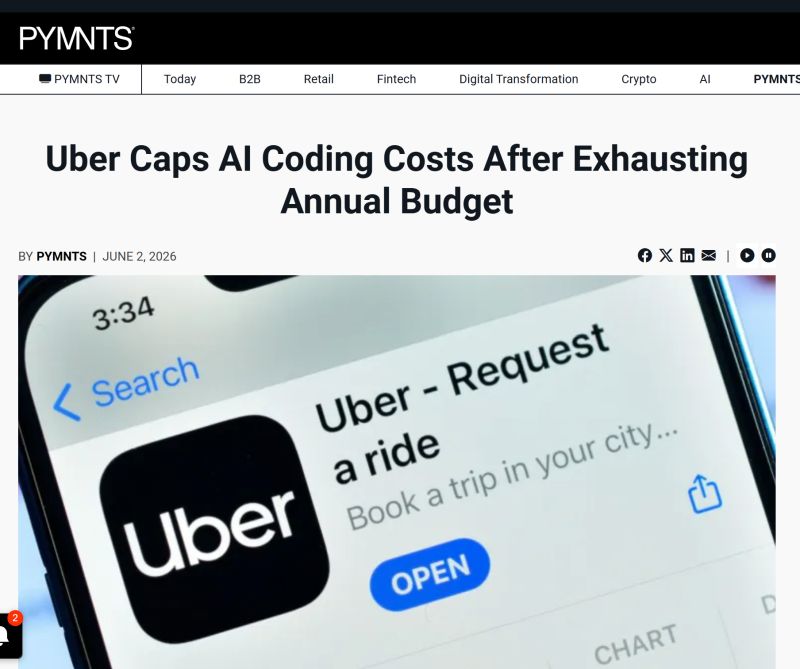
Uber is limiting its employees to $1,500 in monthly token spending per artificial intelligence coding tool, Bloomberg reported Tuesday (June 2).
The limits apply only to agentic coding software, and they apply to each tool, so employees can spend $1,500 on each different tool, according to the report, which cited an Uber spokesperson. Uber provides employees with a dashboard on which they can track their usage of different tools, and it allows individuals to seek permission to exceed the limits, per the report. “We think this is all a pretty straightforward way to responsibly encourage agentic AI adoption and experimentation at scale across the company,” the Uber spokesperson said in the report. The limits were implemented in recent months after Uber used up its AI budget for the full year by April, the report said, noting that The Information reported that fact in April. In The Information’s report, Uber Chief Technology Officer Praveen Neppalli Naga, who shared the news about the AI budget, said the company was “back to the drawing board. Source: Pymnts
Oppenheimer makes an interesting point here.
If $GOOGL — a company printing massive FCF — is tapping equity markets for $80B, it’s because credit conditions are tightening. The private credit canary in the coal mine may have just died. The structure of the raise says a lot: a massive $40B ATM alongside a $10B private placement to Berkshire Hathaway. That’s what a desperate search for liquidity looks like. So who else is heavily exposed to credit markets? $ORCL is probably the first name that comes to mind. The stock has ripped higher and suddenly it feels like everyone forgot the financing overhang. Meanwhile, debt-to-equity is still above 5x. $META continues spending at an almost irrational pace. At some point this may force Zuck to reevaluate the playbook here. (Arete upgraded it today, by the way.) Then you have the companies that need constant access to capital just to keep expanding. $EQIX and $DLR immediately stand out. A 200MW data center now costs roughly $8B to build — not exactly pocket change. But the biggest credit story of them all might be $CRWV. The stock rallied yesterday on $DELL headlines, yet the company is sitting on $21B of debt, including an $8.5B delayed-draw term loan backed by GPUs. Source: Scrooge McDuck
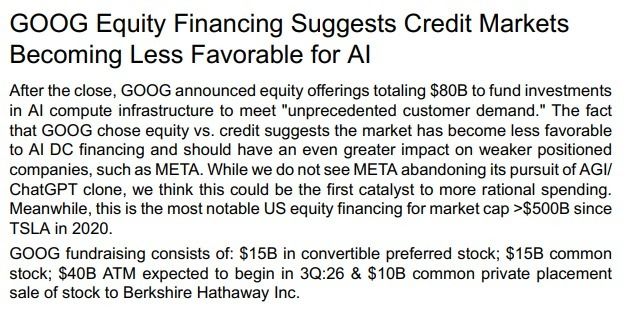
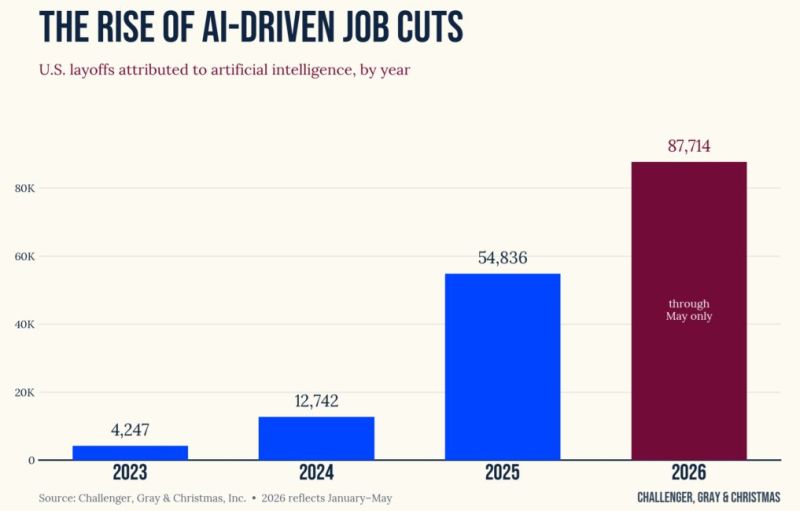
GOOGLE $GOOGL JUST ANNOUNCED AN $80 BILLION CAPITAL RAISE TO BUILD AI INFRASTRUCTURE
And Berkshire Hathaway $BRK.B is writing a $10 billion check to get in. Here's the full breakdown: THE DEAL: - $30B in underwritten public offerings - $40B through an at-the-market stock program starting Q3 2026 - $10B private placement to Berkshire Hathaway THE BERKSHIRE PIECE: - $5B in Class A Common Stock at $351.81 per share - $5B in Class C Capital Stock at $348.20 per share - Berkshire has been building this position since Q3 2025 THE PURPOSE: - Scale AI compute infrastructure to meet "unprecedented customer demand" - Approximately $30B of the ATM proceeds will cover 2026 employee equity tax obligations - Remaining proceeds go directly to AI infrastructure buildout Source: Evan