
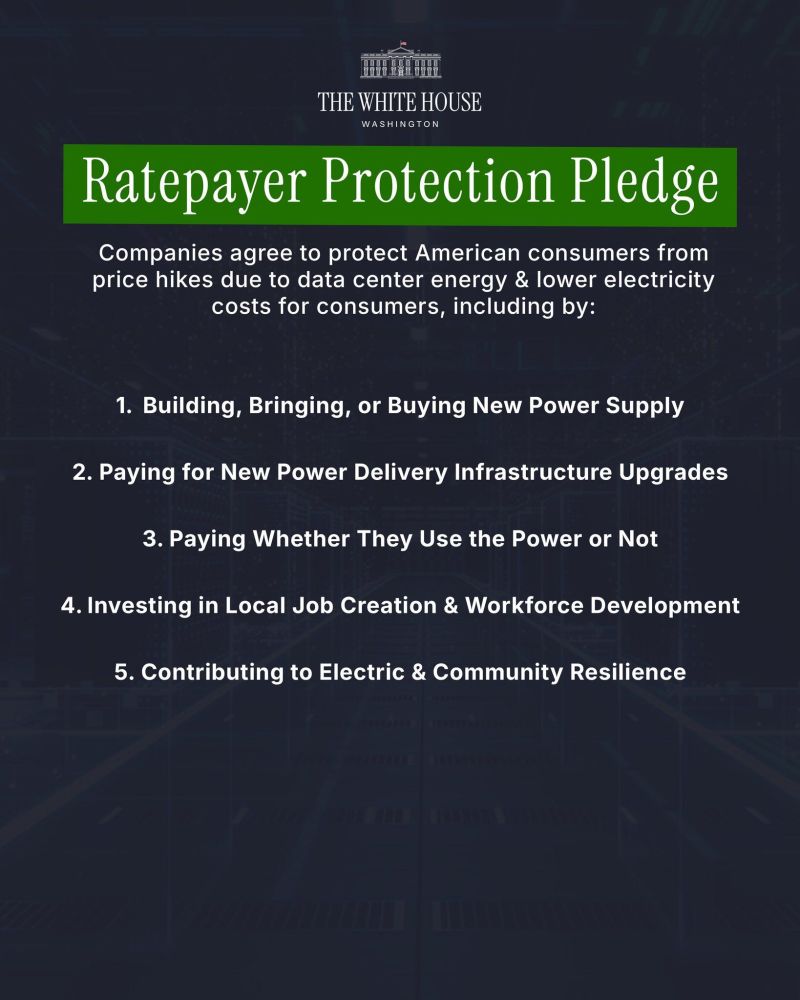
President Trump called on AI companies to build, bring, or buy 100% of the energy needed for their data centers as part of his “Ratepayer Protection Pledge.”
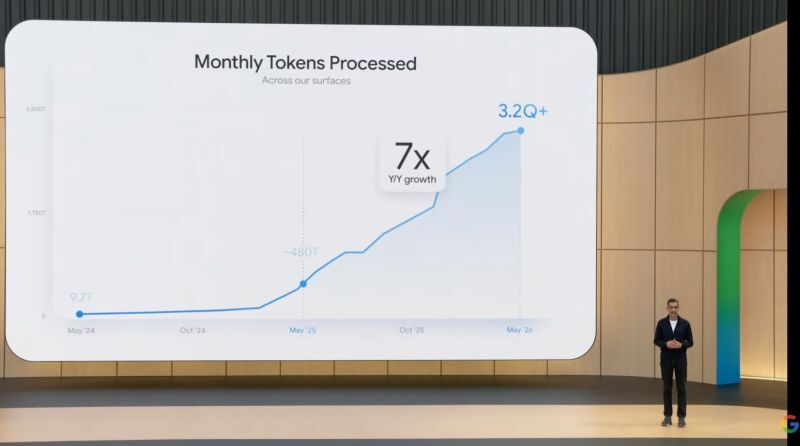
Monthly tokens processed across Google surfaces: May 2024: 9.7T May 2025: ~480T May 2026: 3.2Q+ That is 7x Y/Y growth. Source: Wall St Engine
GOOGLE JUST SHOWED HOW INSANE AI DEMAND HAS GOTTEN
Monthly tokens processed across Google surfaces: May 2024: 9.7T May 2025: ~480T May 2026: 3.2Q+ That is 7x Y/Y growth. Source: Wall St Engine
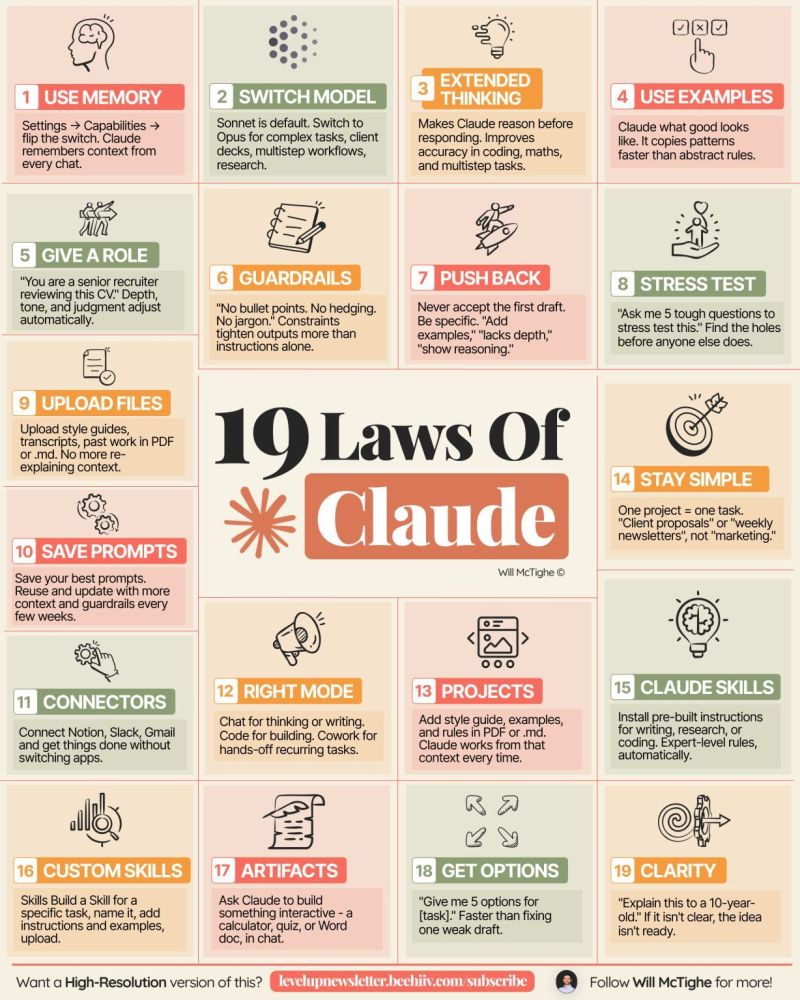
Stop using Claude like it's 2024.
Here are the 19 rules I follow when I use Claude: Source: AI evolution
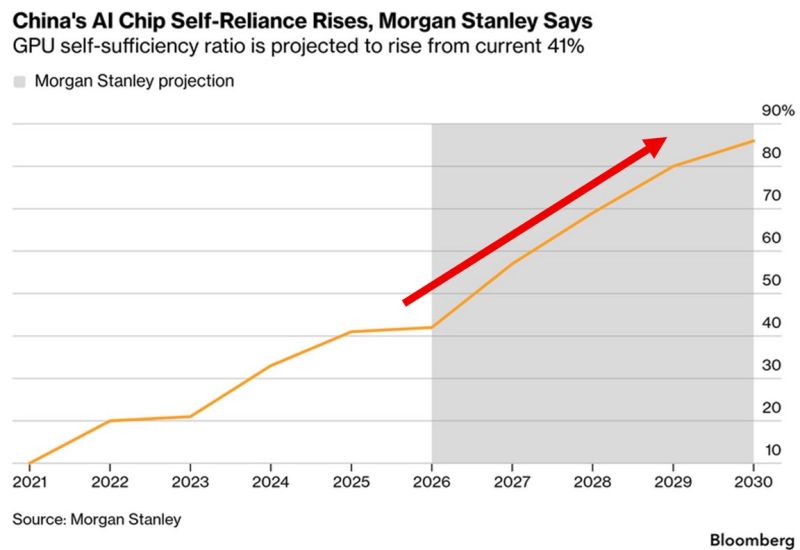
China is moving fast to replace foreign AI chips with domestic ones:
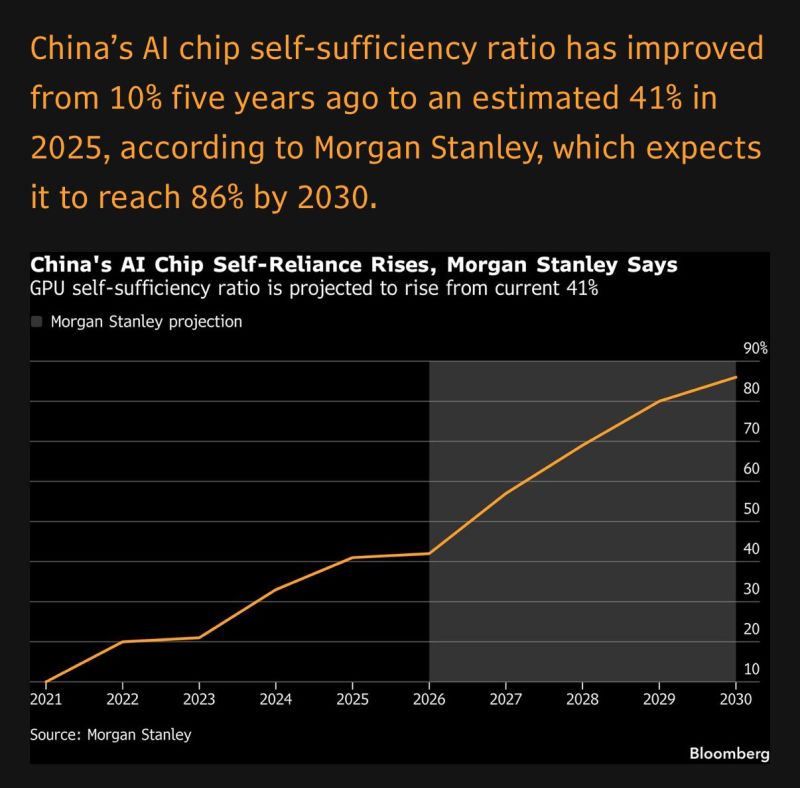
China's AI chip self-sufficiency ratio has risen from ~10% in 2021 to 41% in 2026, a more than 4 times increase in just 5 years, per Morgan Stanley. This ratio shows how much of China’s AI chip demand is filled by local production instead of imports. Morgan Stanley projects this ratio will rise further to ~86% by 2030, meaning China could meet nearly all of its AI chip demand domestically within 4 years. US export restrictions have accelerated China's push to develop domestic alternatives, and the results are advancing faster than most of the world expected. Source: Global Markets Investor
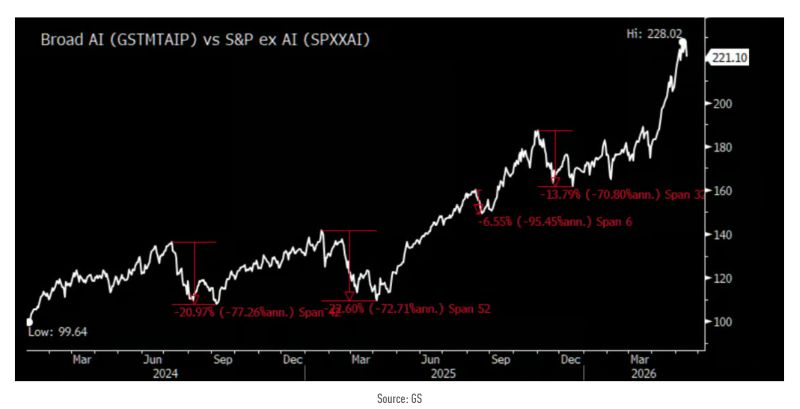
Pullbacks do happen GS: "While the trend is higher, we have seen multiple pullbacks in AI, making the case for short-term hedging"
Source: TME
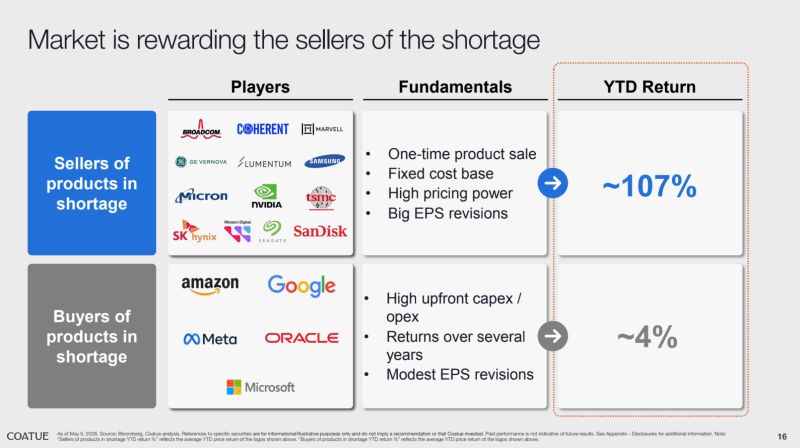
The dispersion of public market returns between sellers and buyers of AI.
Note however it feels weird to find Alphabet $GOOGL in the "loser" camp as the stock is up 130%+ over the last 12 months. Some buyers of product shortage are able to perform well as long as investors see clear evidence that its AI investments are turning into real revenue and profit growth — not just hype. Alphabet's cloud computing business has been delivering much better than expectations. Source: Tanay Jaipuria
China will go from being almost completely reliant on chips from external sources to almost completely self-sufficient in just ten years - per MS
Source: David Ingles
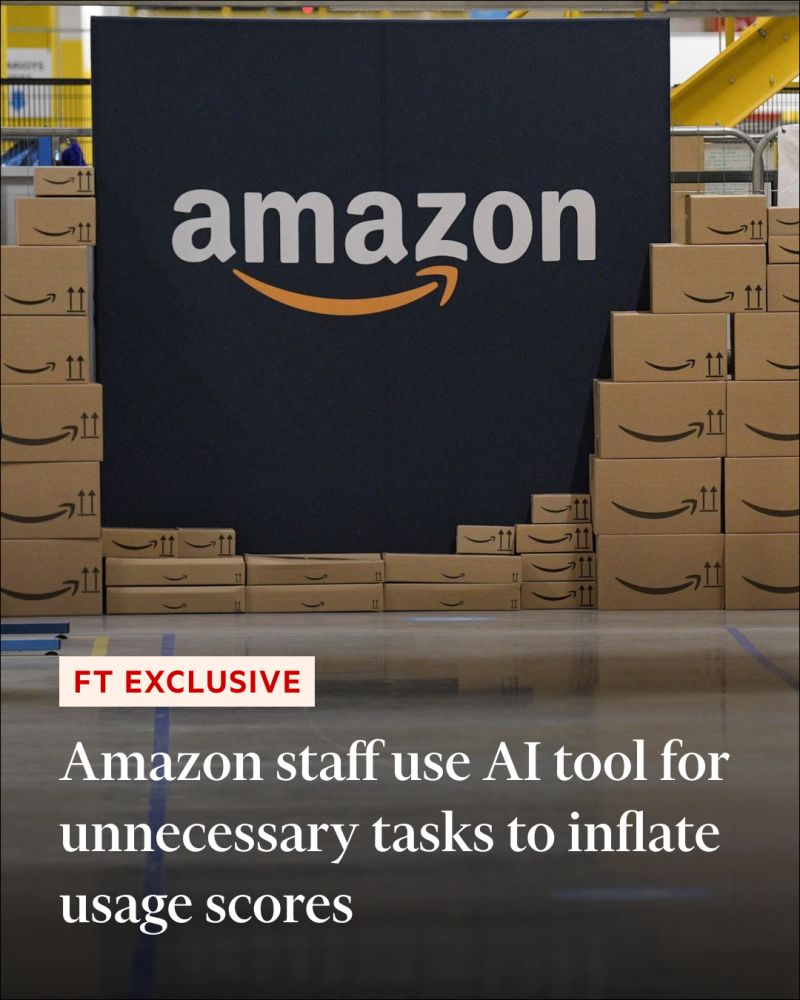
Everyone says they want AI adoption. Until metrics become the goal instead of the outcome.
Amazon employees are using AI agents to automate unnecessary work, by how AI usage is tracked through token consumption metrics, leaderboards, and adoption targets. This creates incentives to optimize for measured activity rather than real value, a classic case of people gaming whatever is being measured. As a result, employees focus on using AI—and being seen using it—rather than improving outcomes, leading to behaviors sometimes called “tokenmaxxing.” The situation mirrors past cases like vanity KPIs, meeting overload, and lines-of-code metrics. The key lesson is that AI adoption should be measured by business impact, not usage. Source: FT