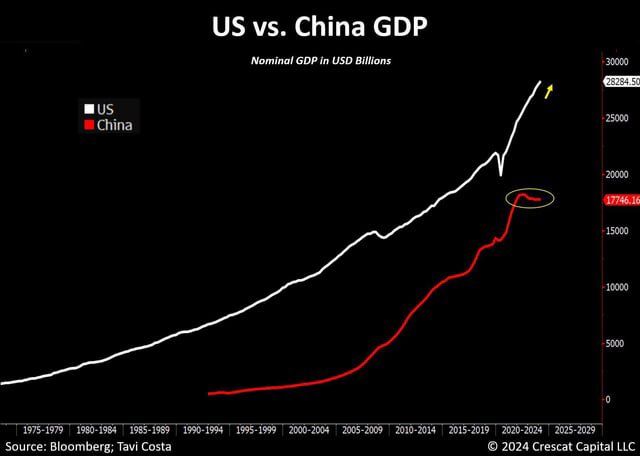

China will go from being almost completely reliant on chips from external sources to almost completely self-sufficient in just ten years - per MS
Source: David Ingles
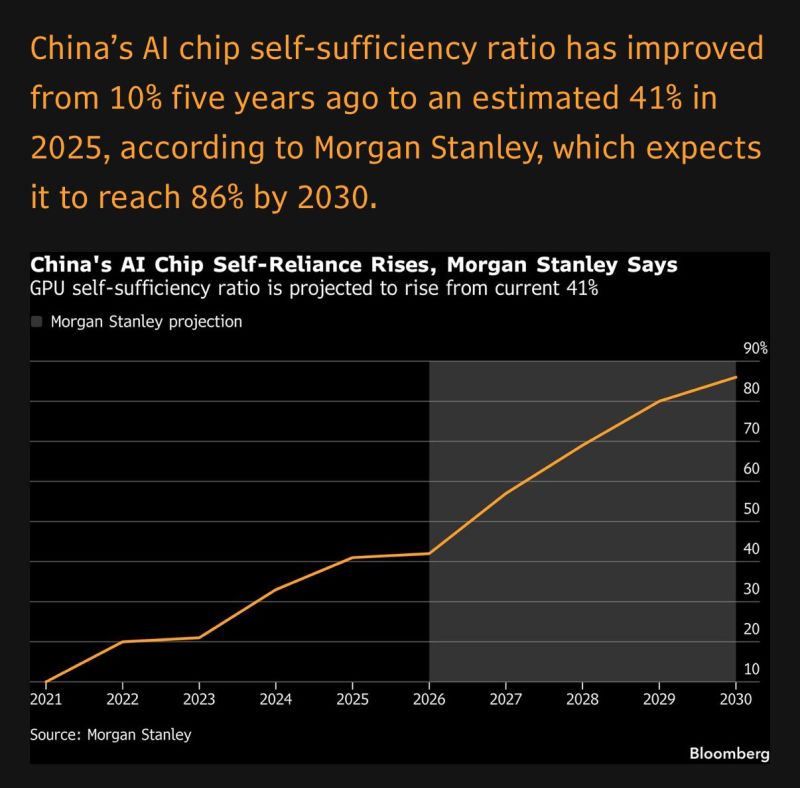
The Chinese central bank remains the most unwavering “buy-the-dip” force in gold.
Source: Shanghai Macro Strategist
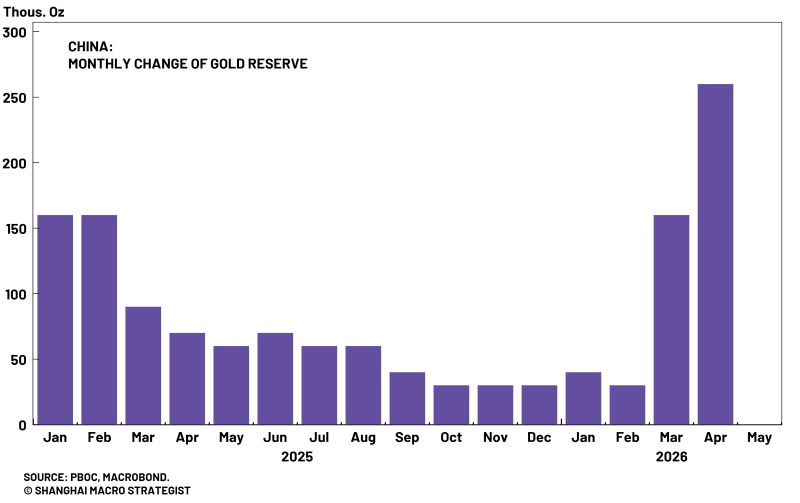
CHINA HAS NEVER DONE THIS BEFORE.
China just officially told its companies to ignore US sanctions on Iranian oil and keep buying. China bought more than 80% of all oil Iran exported in 2025. The US sanctioned five Chinese refineries and froze their assets to stop this. China's response was to issue a formal government order stating the sanctions "shall not be recognised, implemented, or complied with." The US is trying to cut off Iran's oil revenue to pressure Tehran. China just made that strategy impossible to enforce. Source: Bull Theory
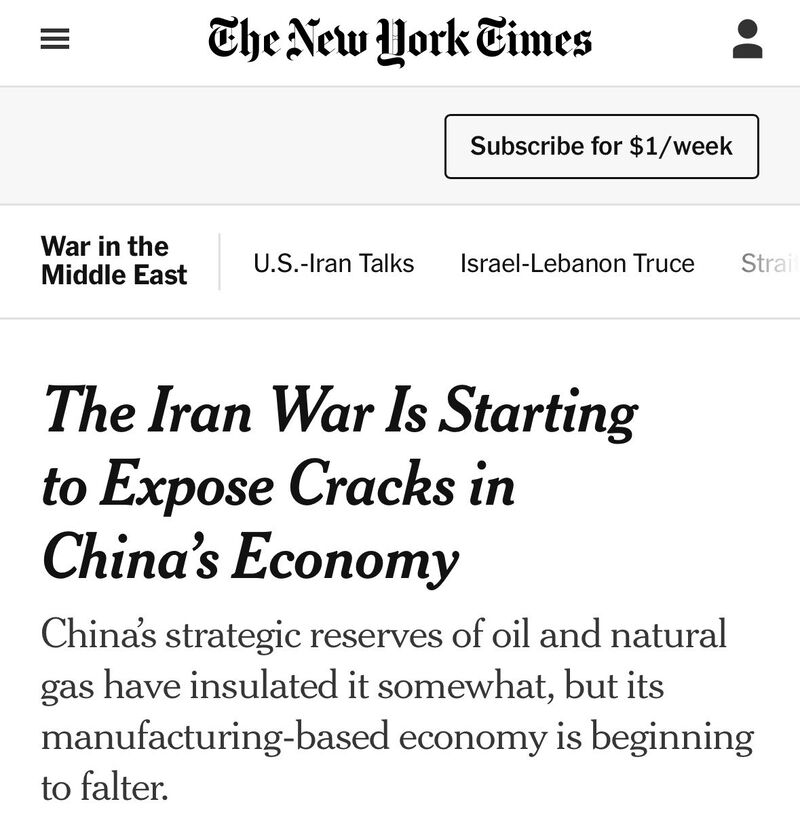
On the other side of the world, China’s economic signals are shifting.
While trade dynamics fluctuate, attention is turning to its energy position. Estimates suggest China holds roughly 1.4 billion barrels in oil reserves—enough to cover about six months in a worst-case disruption scenario . At the same time, efforts by BRICS nations to move away from the U.S. dollar in oil trade have made limited progress, with the dollar still dominating global transactions. China has long relied on discounted oil imports from countries like Iran and Venezuela, but geopolitical pressures may complicate that strategy. Amid global tensions and proxy conflicts, the broader strategic rivalry between the U.S. and China remains a defining theme. Source: NY Times, Rothmus on X
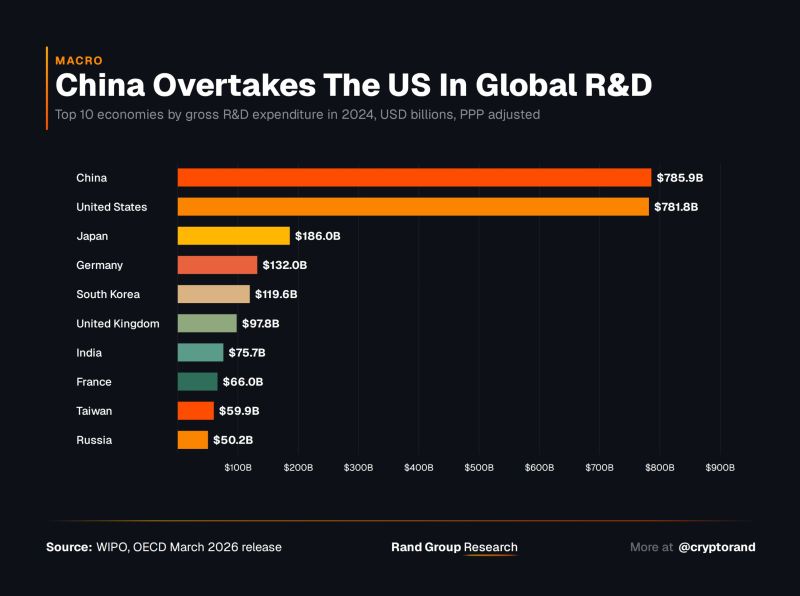
China just took the lead for the first time in modern history.
The AI race isn't being won in headlines. It's being won in research budgets. Source: Rand Group
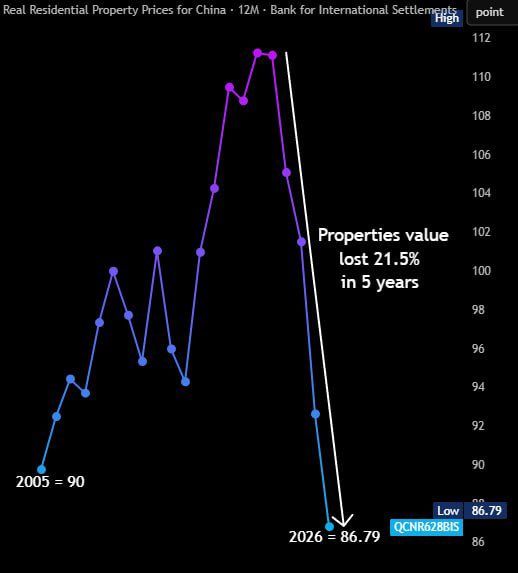
China’s real residential property prices crashed to their lowest level on record hitting 20 year low
Data from the Bank for International Settlements shows the index dropped to 86.79 in Q4 2025, down from 88.85 in the previous quarter. The index has now declined steadily from its peak of 112.99 in September 2021 marking a 21.5% correction in China’s housing market. The latest reading is also the lowest level since records began in 2005 signaling continued weakness across the property sector. Real estate has been the primary repository of life savings for hundreds of millions of Chinese households. Yet roughly 85 percent of the price gains that underpinned that wealth creation have evaporated since 2021. Sales and prices continue to slide, while an estimate of 80 Million unsold or vacant homes clog the market and many of the country’s largest private developers have defaulted on debts Source: Bull Theory
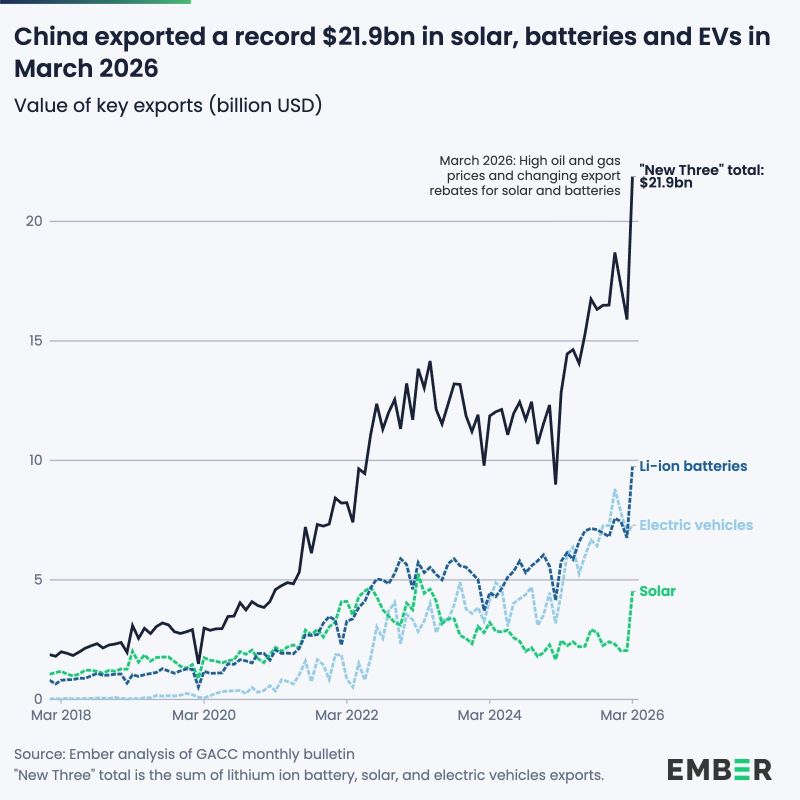
For anyone wondering whether the fossil fuel crisis in the Middle East is driving interest in clean energy technologies:
China's exports of batteries, EVs and solar products shot up in March to $21.9 billion! This is an all-time record and a 70% increase over March 2025. Source: Nicolas Fulghum
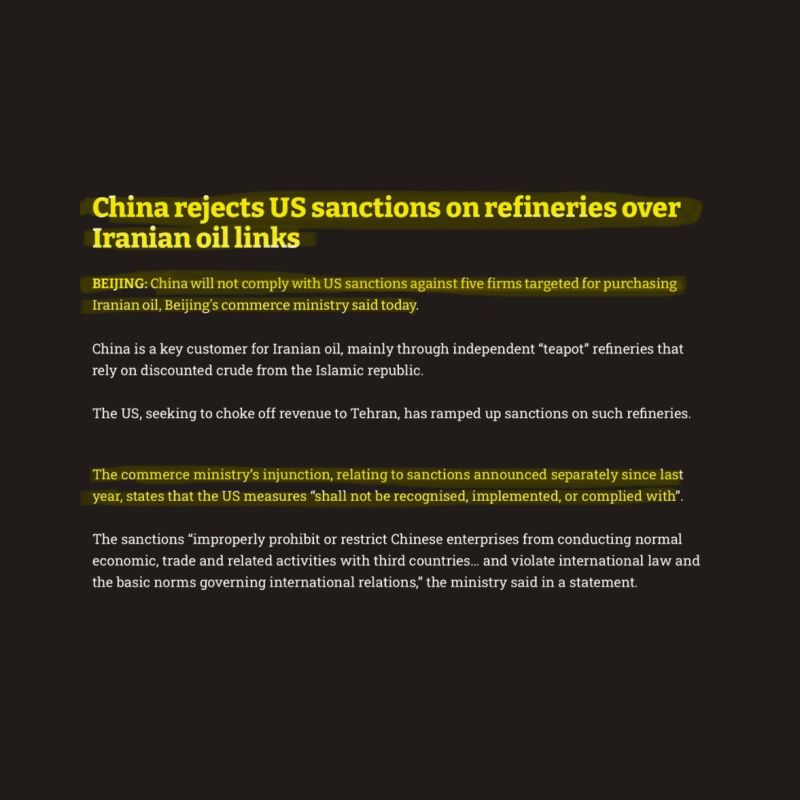
The dream of China surpassing the U.S. as the world’s largest economy is fading.
In 2021, China’s GDP was about 78% of the U.S.; by 2024, that share had fallen to roughly 64%, back to around 2017 levels, with the gap between the two economies doubling in just a few years. Note that we are talking about NOMINAL GDP. Over the last few years, the US has been generating inflation while China has been facing deflation or low inflation. This matters when you consider nominal GDP growth. Source: Terence Shen