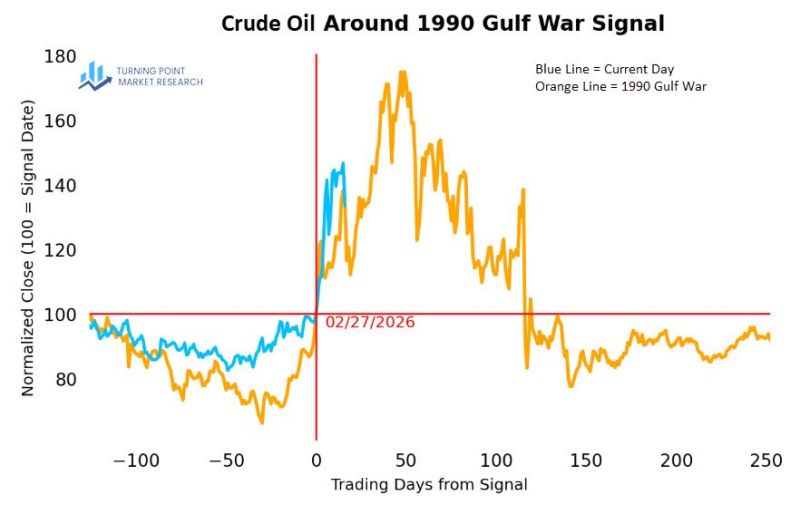

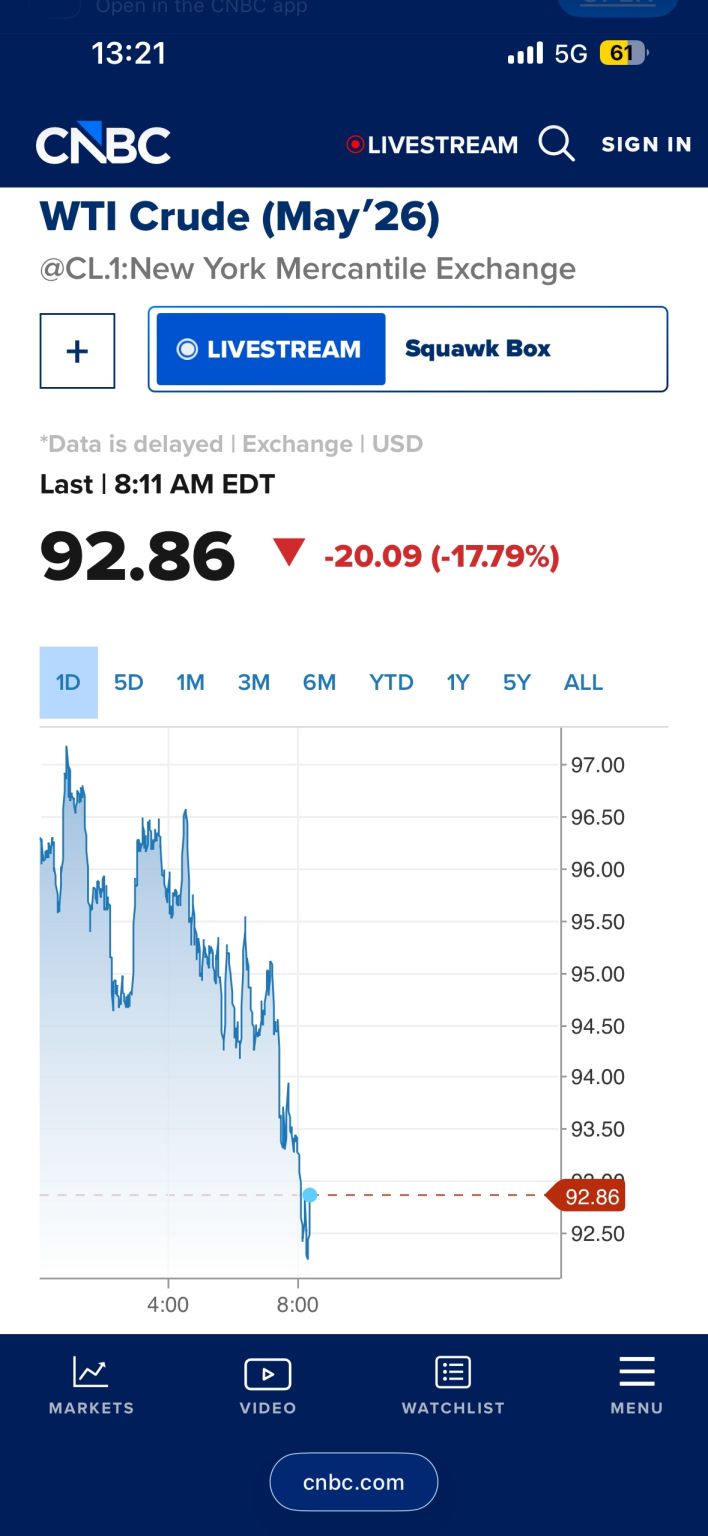
The fastest oil crash since COVID just happened.
$21 gone. In hours. Here’s what the market is pricing in right now: → Hormuz reopening. Supply returns. → Strategic reserves stop draining. Pressure eases. → Saudi premium collapses. Asian refiners breathe. → LNG reroutes. Freight costs drop. Every trade that worked during the war just flipped overnight. But let’s keep in mind the full story: - The “ceasefire” is 2 weeks old. Not a peace deal. - Hormuz has real technical limitations. It doesn’t reopen like a faucet. - 11 million barrels/day of infrastructure is damaged. - Qatar LNG takes years to rebuild. Peace is harder to price than war. War gives you a narrative. Peace gives you uncertainty. The most volatile oil trade in a generation just entered its most dangerous phase — and most traders are celebrating. That’s usually when you should be careful. What’s your read? Are you buying the dip or watching from the sidelines? Source: CNBC, Jack Pradelli
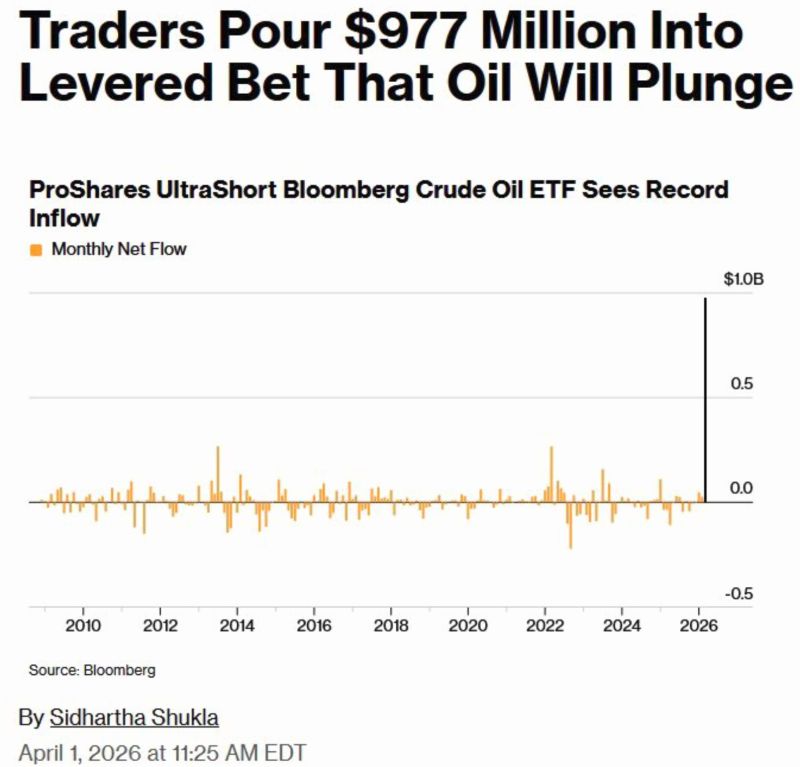
A record short bet against oil as TRADERS POUR $977 MILLION INTO LEVERED BET THAT OIL WILL PLUNGE
Just before Trump sent oil prices surging higher... Oil traders made a big leveraged bet that prices would fall from war-driven highs — but many are losing badly. Investors poured $977M into the inverse oil ETF (SCO) in March, its biggest monthly inflow ever. The fund aims to profit when oil drops, but instead plunged 41% as crude surged. The bet hinges on a quick end to conflict. While the fund briefly jumped 8% after signals of de-escalation, oil prices remain elevated — rising as high as $119 and still around $102, well above February levels. Ongoing supply disruptions, especially around the Strait of Hormuz, could keep prices high for months. Even a ceasefire may not be enough for short traders to recover. Bottom line: this is a high-risk “war ends soon” trade — and so far, it’s backfiring. Source: Markets & Mayhem, *Walter Bloomberg @DeItaone
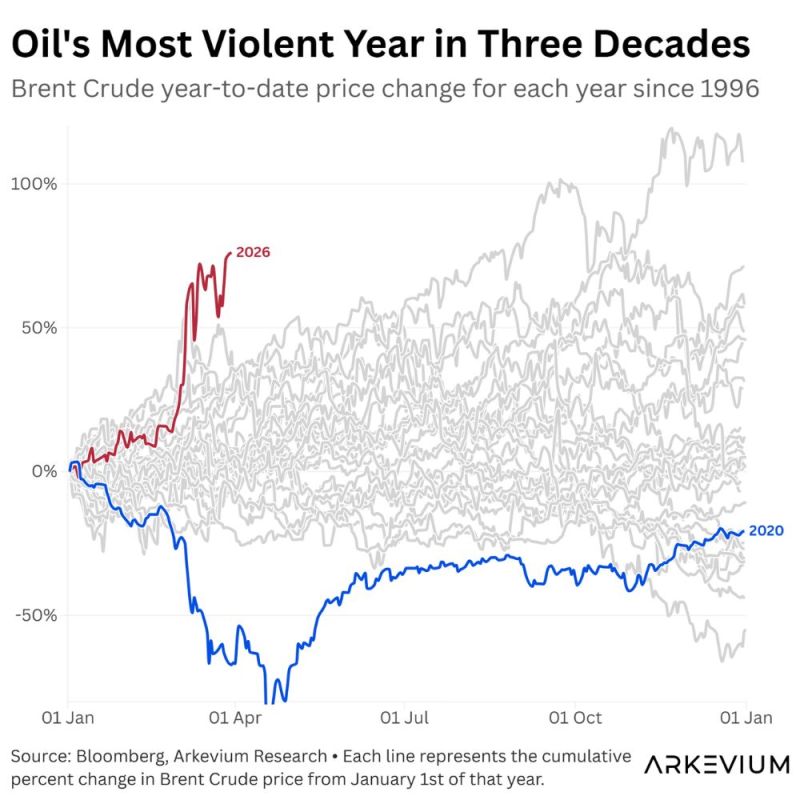
Oil is up 70% in five weeks. The last time crude moved this violently was 2020. Back then the problem was too much supply. Now it's the opposite.
Source: Maxence Visseau - Arkevium Capital & Arkevium Research
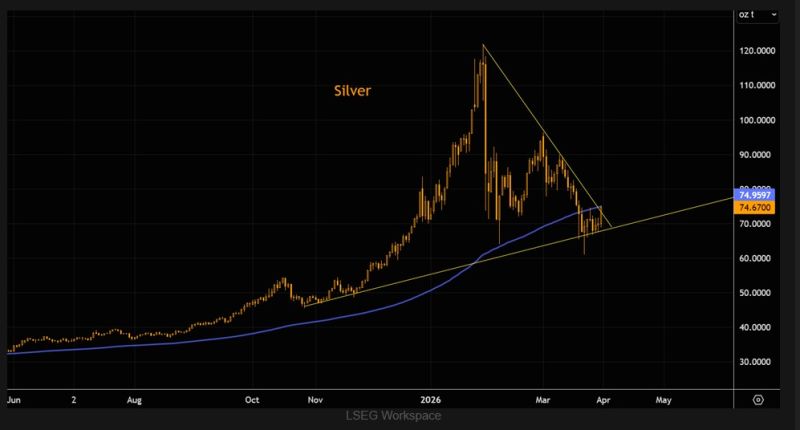
Silver printed a large hammer candle not long ago, marking a short-term flush. Since then, price has consolidated, and yesterday we saw the first “serious” upside candle in a while.
We’re now close to breaking above the downtrend line in place since the top, as well as the 100-day. Is silver about to turn sexy again? Source: TME
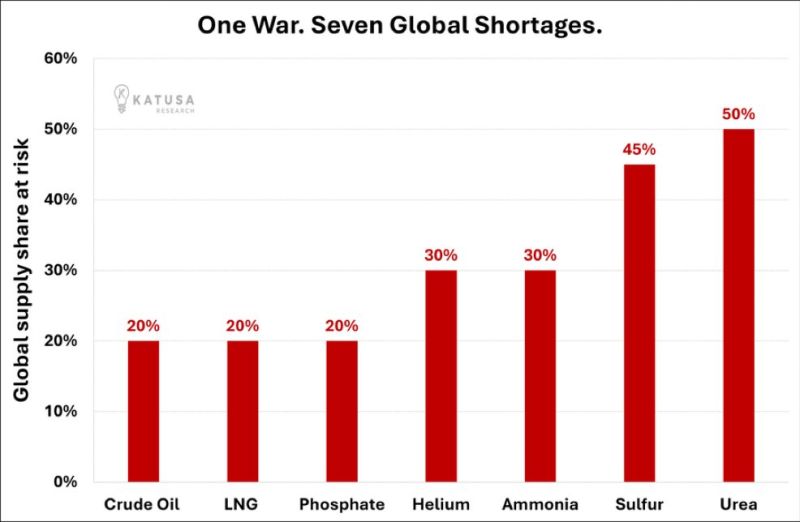
One war, 7 global shortages
Source: ADAM @AdameMedia Katusa Research
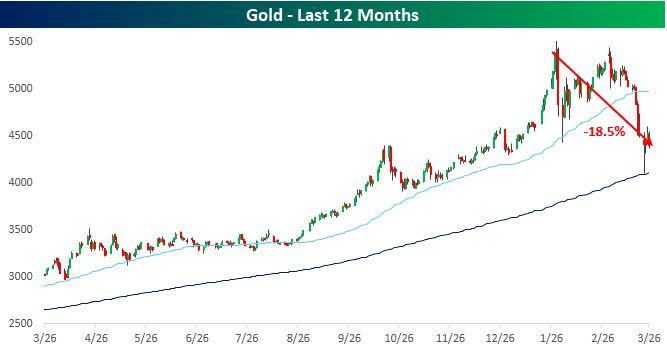
After the second-strongest bull market since at least 1974, gold is coming extremely close to bear market territory.
Source: Bespoke
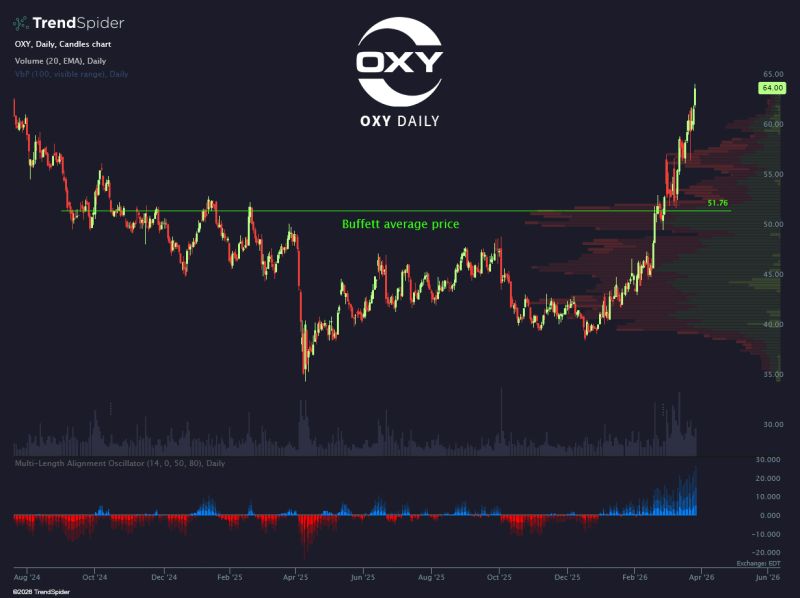
While the market panics, Buffett is raking.
Occidental Petroleum $OXY Source: Trend Spider
Will Oil prices continue mirroring the 1990 Gulf War analog?
Source: The Chart Report