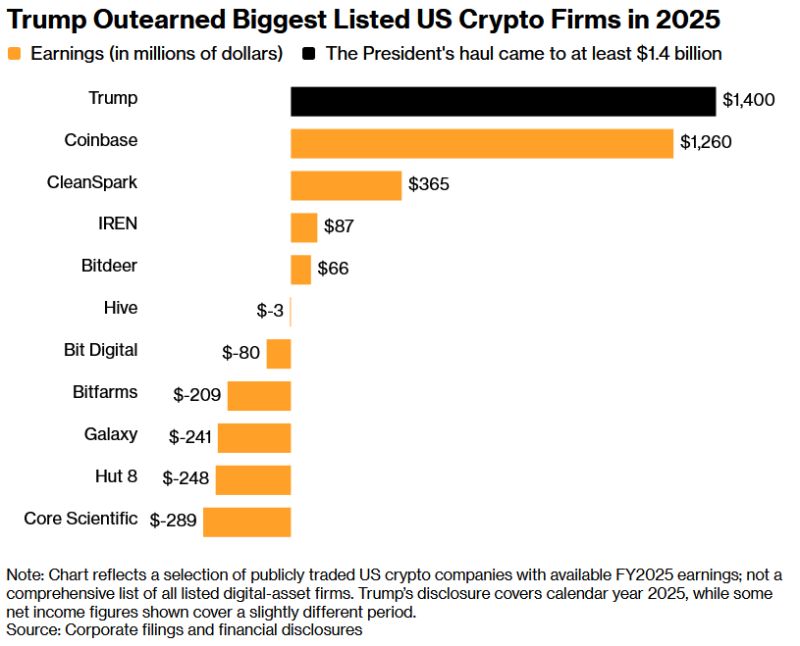

This is very Unusual.
We saw crazy decoupling this week with crypto and stocks going in completely opposite directions. Total Crypto market cap is up +13% after adding $291 billion. Meanwhile US stocks erased -$1.4 Trillion in the same period with S&P 500 falling -1.83%. Source: Bull Theory
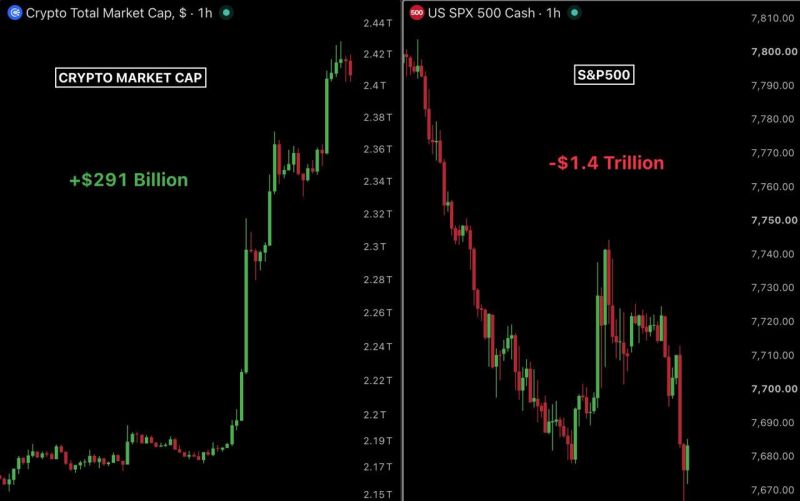
$BTC exploded today after Bessent-Bailout as it broke back above its 200DMA...
Source: zerohedge
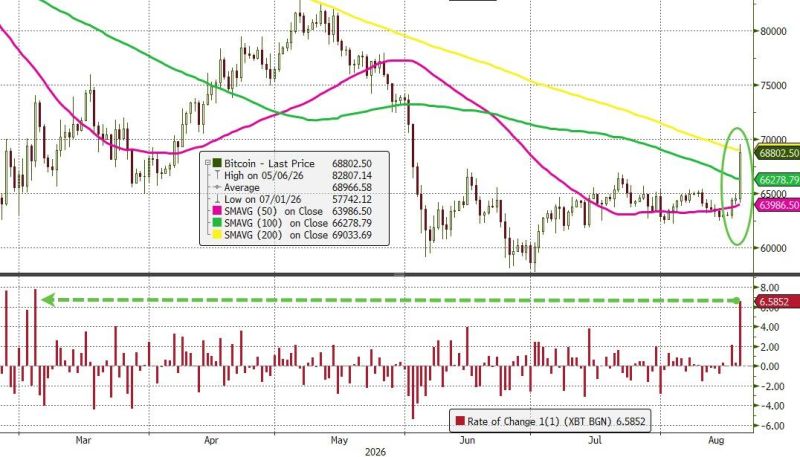
The largest short liquidation in crypto history just happened.
Short sellers lost $3 billion in a single day. Bitcoin hit $71,000, up +11.50%, and $236 billion was added to the crypto market. Here is the full move: Source: Bull Theory
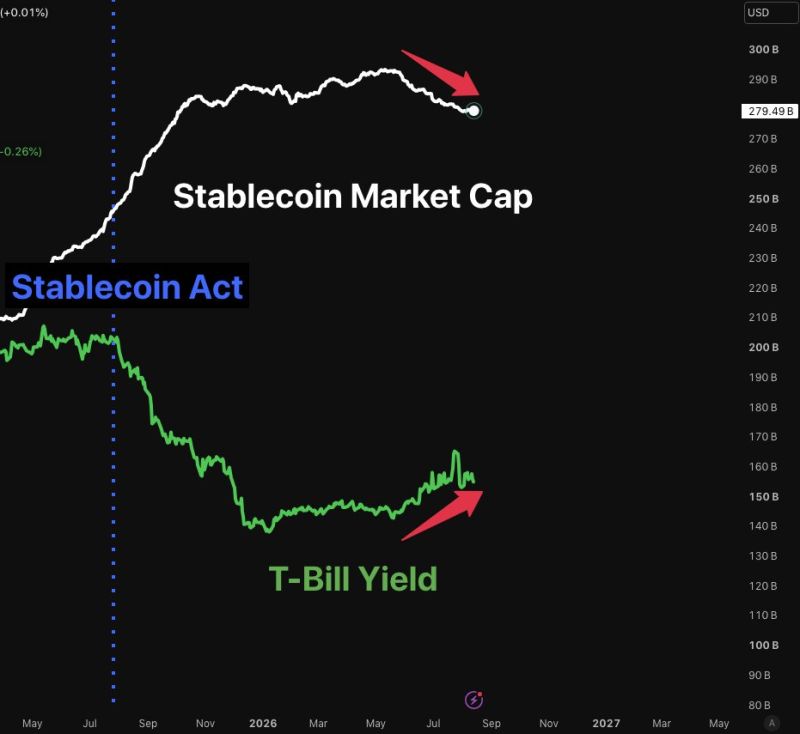
If you ever doubted how big a deal stablecoins were regarding lowering shorterm borrowing costs, this is for you. Since Stablecoin Act, issuance strongly negatively correlates with yields.
Now, market cap is shrinking & yields are on the rise. Coincidence? Source: Tidal Macro
Lyn Alden's 'ORANGE JUICE' Raises $40 million to launch a permanent capital holding company backed by a BTC treasury
"It’s a company that acquires, improves, and permanently holds cash-flowing businesses, backed by a bitcoin treasury" - Lyn Alden Source: Bitcoin Magazine

THIS WEEK COULD RESHAPE THE FUTURE OF CRYPTO.
Two major structural catalysts are approaching. • Monday: The Senate returns, and the CLARITY Act enters its final push before the August recess. If passed, it would split crypto oversight between the CFTC and SEC, protect DeFi developers, and permanently ban a federal CBDC. • Wednesday: DTCC targets its first limited production tokenization trades. The firm behind $114T+ in cleared assets is bringing stocks, ETFs, and Treasuries on-chain with backing from BlackRock, Goldman Sachs, JPMorgan, and Citi. Regulatory clarity. Institutional tokenization. Both converging in the same week. Source: Crypto Rover
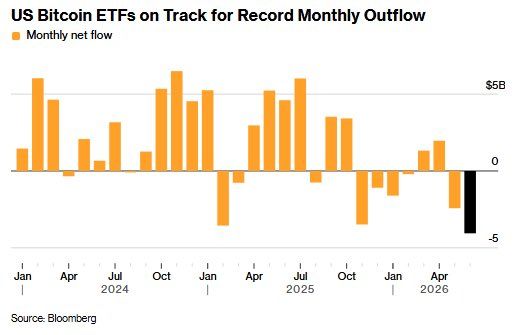
Bitcoin ETFs bled -$4.1 billion in June, the largest monthly outflow in history
Source: Barchart, Bloomberg
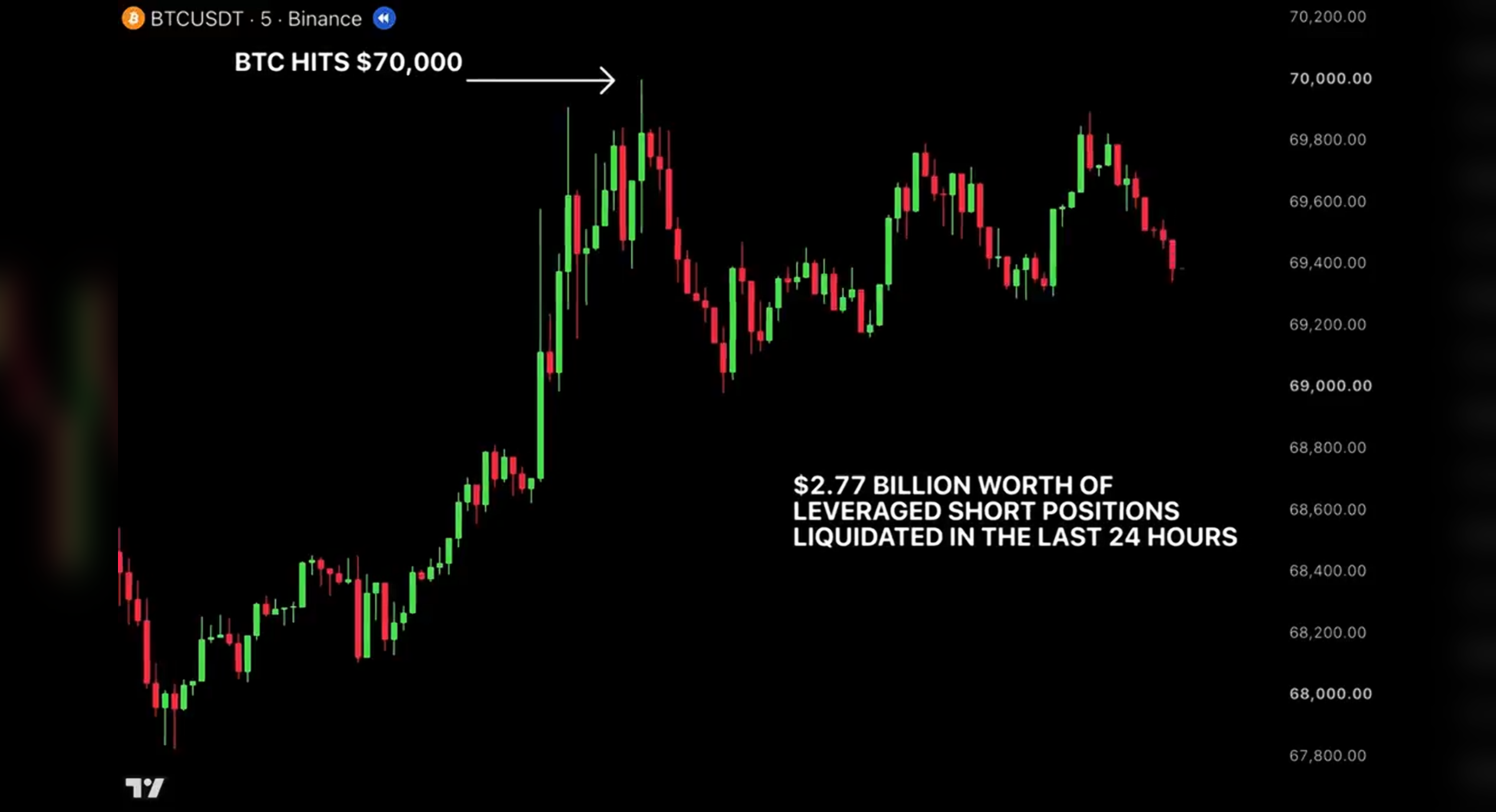
Trump personally made more from crypto than EVERY publicly traded US crypto company.
Pro-crypto president indeed... Source: Nic @puckrin