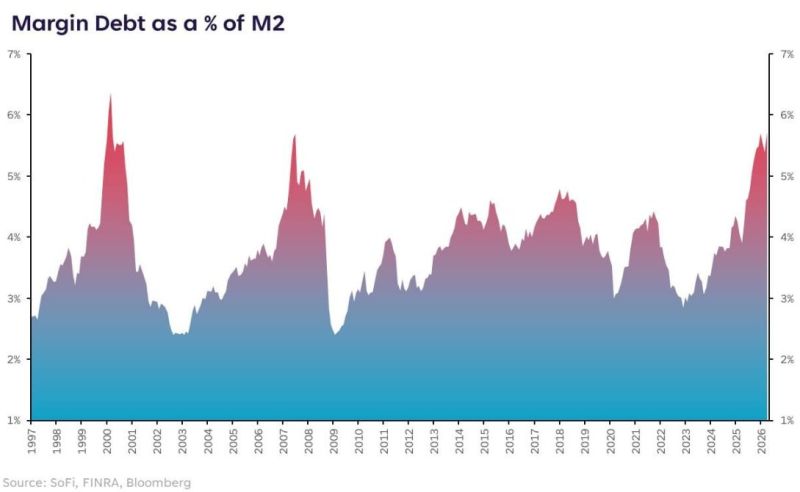

In case you missed it... JOLTs job openings just hit a 2-year high, and that's why the market is reacting positively.
May job openings came in at 7.594 million, well above expectations. A stronger labor market lowers recession risk, but it also gives the Fed less reason to cut rates soon. Markets are still reading it as a soft landing signal, and that's enough to bring risk appetite back. Source: Bull Theory
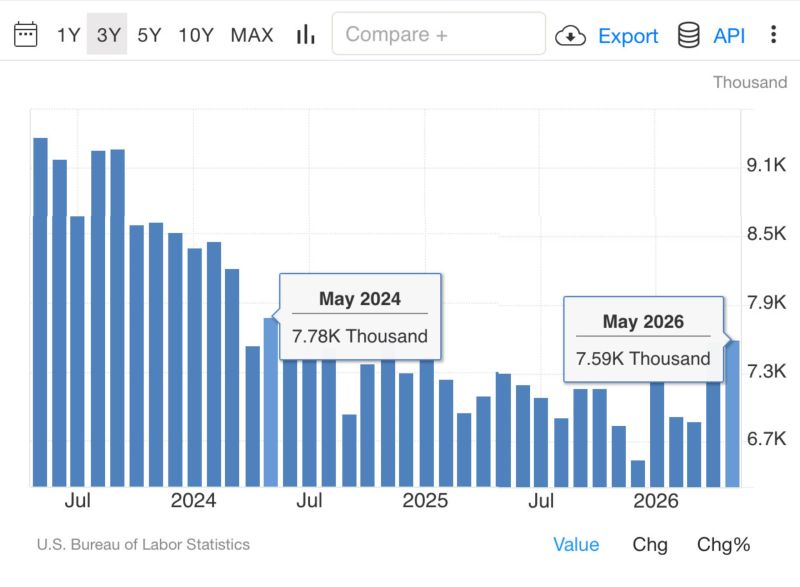
The US can't afford much higher interest rates.
Here's why: Over the next 12 months, the US Treasury must refinance roughly $8 trillion of debt. The average interest rate on that debt is about 3.3%. Today, the 1-year Treasury yields around 4%. Simply refinancing that $8 trillion at current rates would increase annual interest costs by roughly $50 billion. And that's before accounting for interest on an ongoing $2 trillion annual budget deficit. This is why today's fiscal backdrop is fundamentally different from the early 1980s. When Paul Volcker raised rates into the double digits, the US had already benefited from years of high inflation that dramatically reduced the debt burden relative to the economy. Today, debt levels are far higher. Every percentage point increase in borrowing costs has a much larger impact on the federal budget. The Fed isn't just fighting inflation anymore. It's operating with one eye on a balance sheet that has become increasingly sensitive to higher rates. The higher rates stay, the more expensive America's debt becomes. Source: Lukas Ekwueme @ekwufinance FT
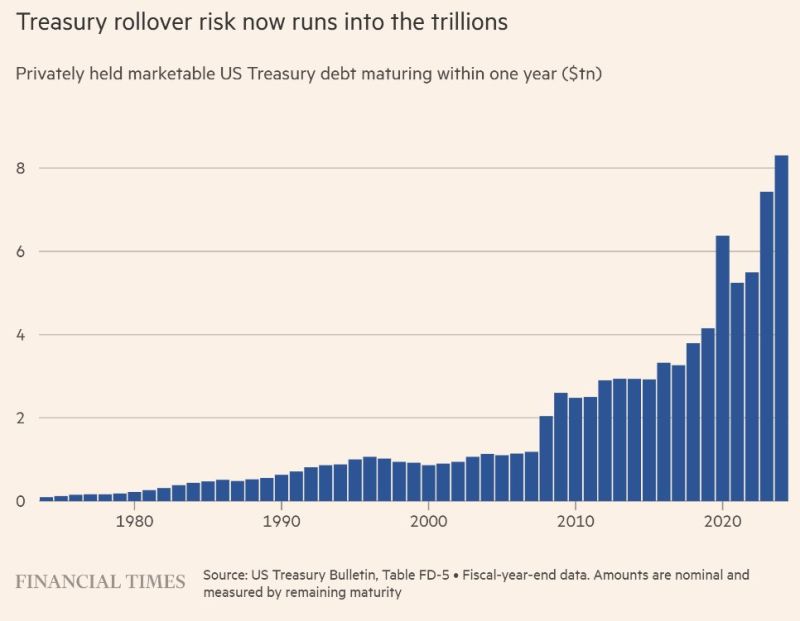
The K-Shaped economy:
Source: Hedgeye, Bloomberg
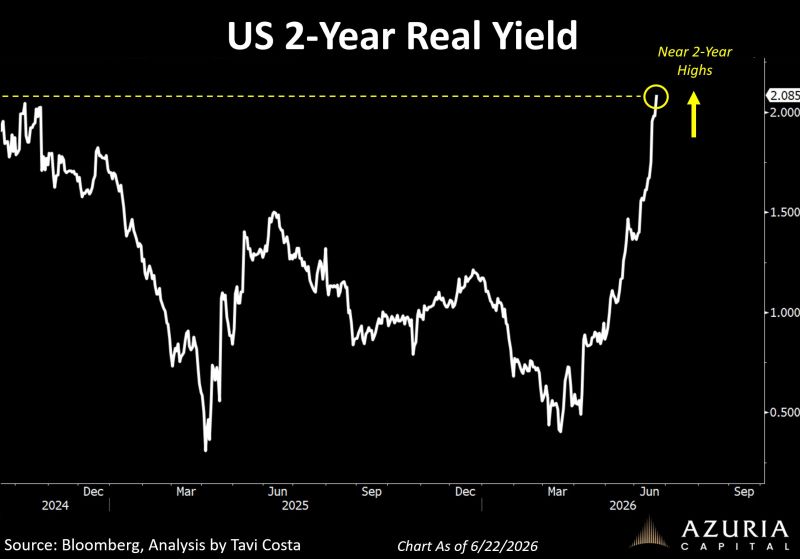
Real yields continue to go vertical. Now at two-year highs.
In an economy facing a mountain of debt, this is not a great development... The new Fed Chair does not have an easy job... Source: Tavi Costa
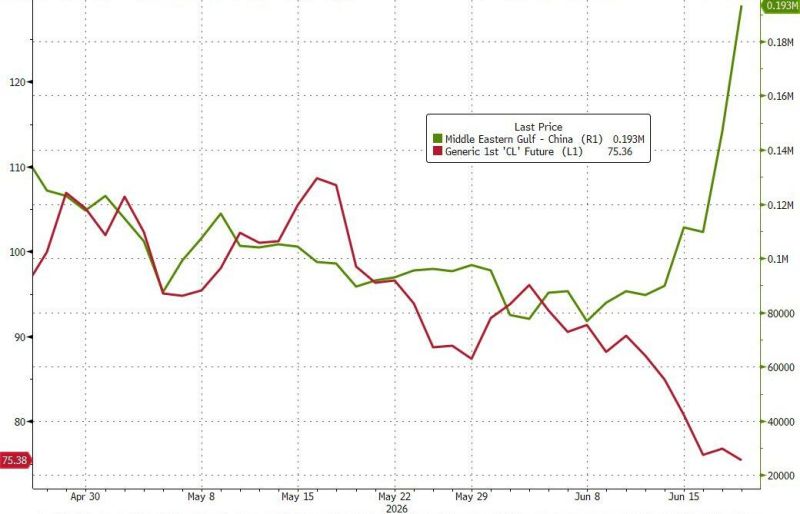
While financial markets have priced in the peace deal, shipping markets have not... with Freight rates still 3x pre-war levels...
Source: zerohedge
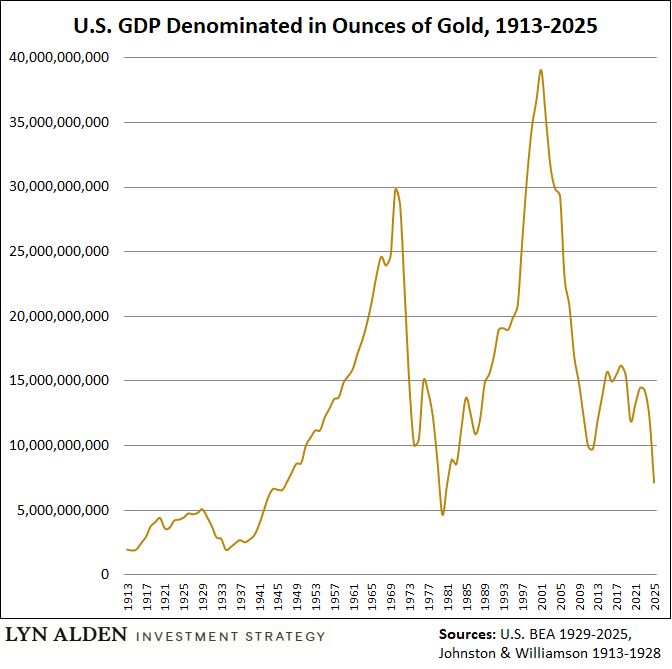
If you denominate US GDP in gold instead of dollars, the chart is wild.
Source: Lyn Alden
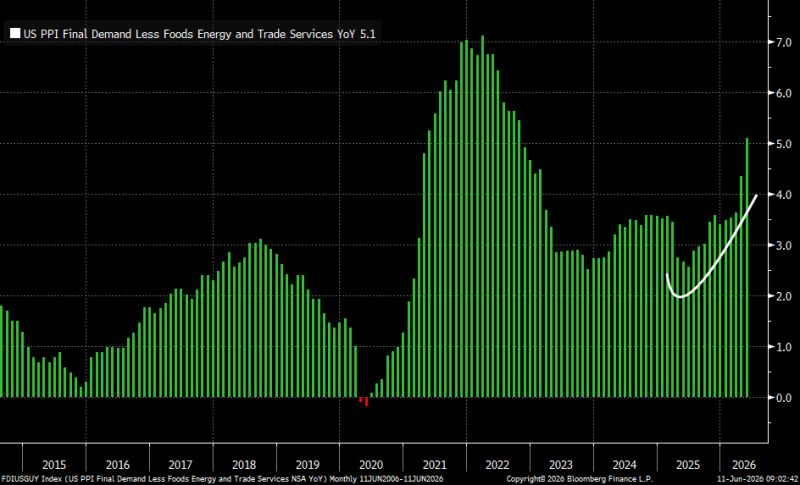
The SuperCore PPI (i.e., no food, energy or trade) has been accelerating for 11 months.
Source: Bernstein Advisors
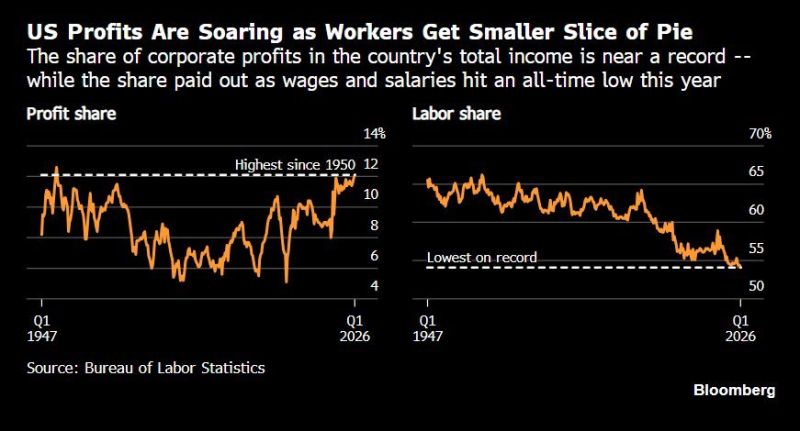
Margin Debt as a % of M2 is now at its 2nd highest level in history, just behind the Dot Com Bubble
Source: Barchart