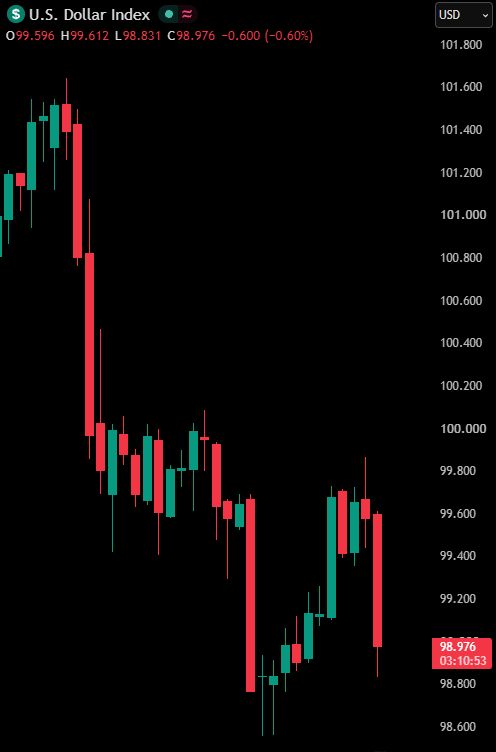

A record 89% of Americans now say the U.S. government is full of corruption
Source: Hedgeye, Gallup
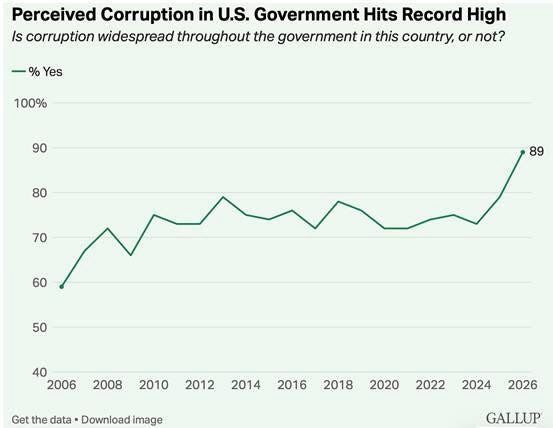
Junk bonds are pricing in perfection.
High-yield spreads have fallen to just 2.66% above US Treasuries—close to their tightest level in years and roughly half the historical average. That leaves almost no margin for error. Yet the labor market is slowing, fiscal deficits remain near 6% of GDP, and economic risks are building. Credit markets often crack before equities notice. At a 2.66% spread, investors are receiving very little compensation for default and liquidity risk. If spreads widen, financial conditions could tighten quickly—and stocks may feel the impact soon after. Source: Kurt S. Altrichter, CRPS®
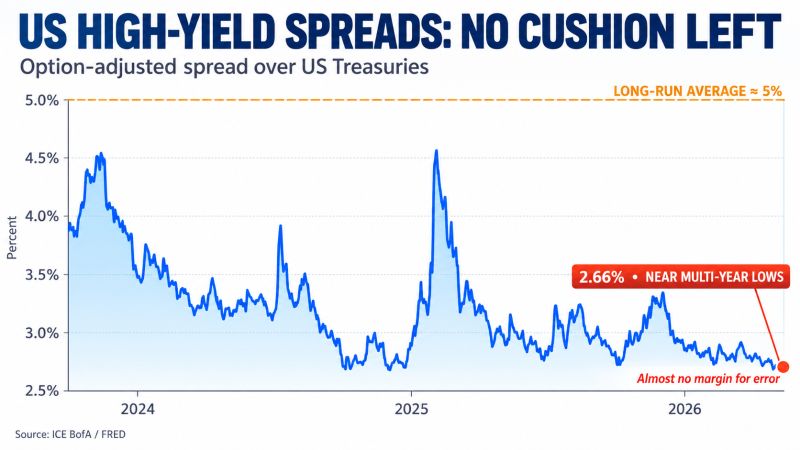
Just didn't
Nike $NKE is getting removed from the S&P 100 after 18 years as the stock crashes 79% in the last 5 years. Source: Trend Spider
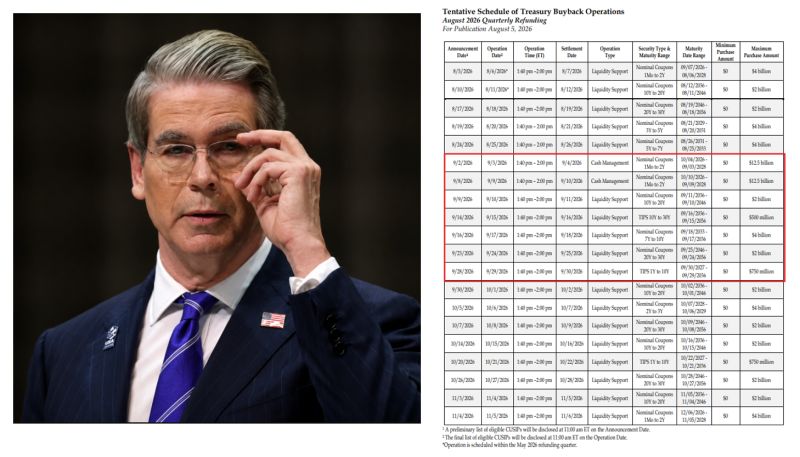
The US Treasury could buy back over $34 BILLION of its own debt in September alone.
This week alone carries up to $14.5 BILLION in capacity, with the program doubling in size on September 9. The 30-year yield sits near a 20-year high, with the government now spending over $1 TRILLION a year just on interest. Treasury Secretary Bessent insists the goal is liquidity, not controlling yields, saying "I have not bought anything yet." Source: coinbureau
AI’s next bottleneck isn’t chips. It’s the town hall.
26 US data-center projects were blocked in Q1 2026—nearly as many as the 31 blocked during all of last year. And the resistance is accelerating: • 166 projects faced local opposition • 49 additional projects were delayed • Roughly $130 billion of AI infrastructure is now stalled Markets focus on GPUs, electricity and financing. But the real constraint may be community approval. Noise. Water consumption. Electricity demand. Land use. Local disruption. The AI buildout may be global in ambition—but every data center must still win approval locally. Any forecast assuming a smooth infrastructure ramp may be far too optimistic. Source: Kurt S. Altrichter, CRPS®

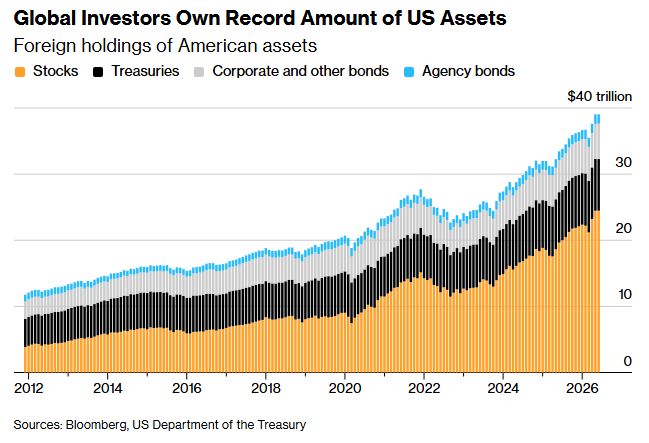
Global Investors now own close to $40 Trillion of U.S. Assets, the most in history
Source: Barchart
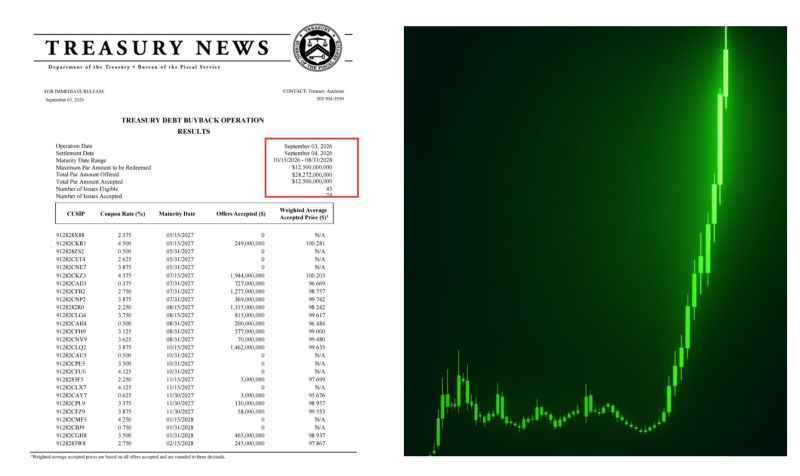
Yesterday, US Treasury bought back $12,500,000,000 of its own debt.
This is the largest buyback in over 3 months. Source: Bull Theory
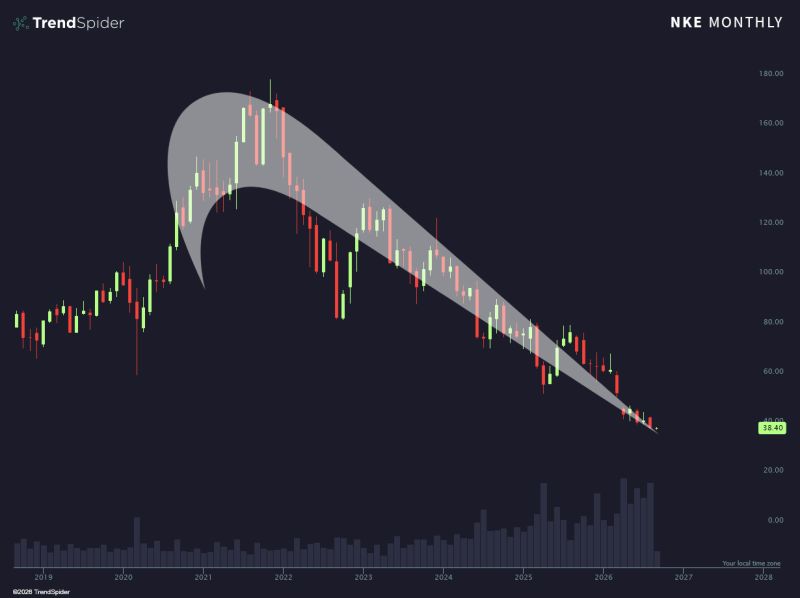
Something is breaking in the US dollar
The 30-year Treasury yield just hit its highest level in nearly two decades. Yet the dollar is falling. That is not how the playbook normally works. Higher yields should attract foreign capital and strengthen the currency. Instead, the DXY dropped from nearly 102 to below 99 in August. Meanwhile: → The Chinese yuan strengthened → The Japanese yen surged as BOJ rate-hike expectations increased → Investors demanded higher yields to hold long-term US debt The message from markets is increasingly uncomfortable: Higher Treasury yields may no longer reflect US economic strength. They may reflect growing concerns over America’s $40 trillion debt burden, widening deficits and expanding Treasury buybacks. Bond investors want more compensation. Currency investors want less exposure. Friday’s jobs report is the next major test for both the dollar and Treasury yields.