"I only invest in what I fully understand."
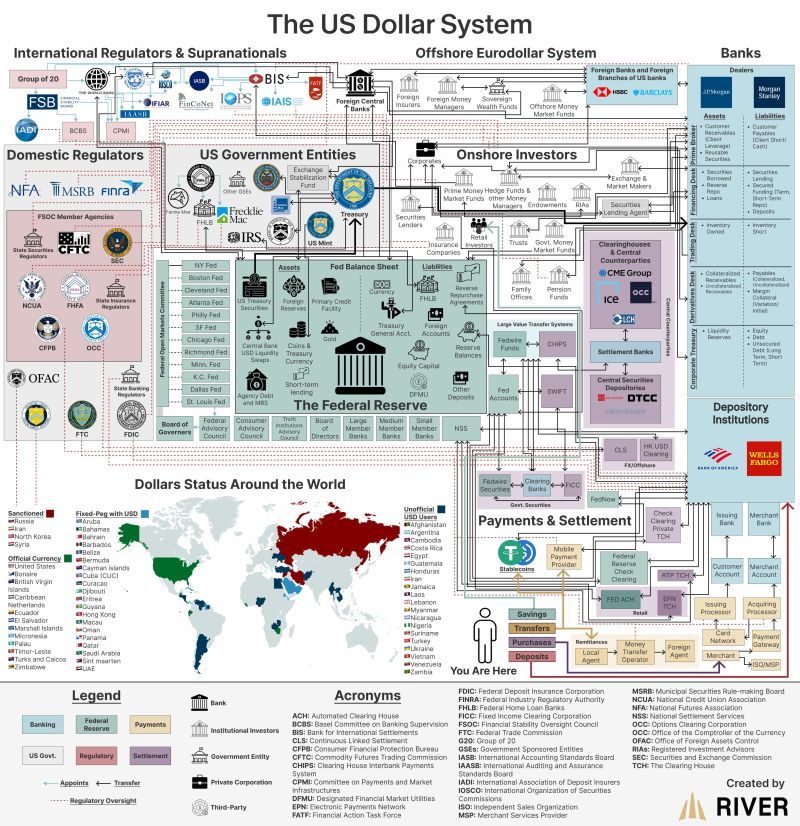
Meanwhile, the U.S. Dollar 👇 Source: Bitcoin archive
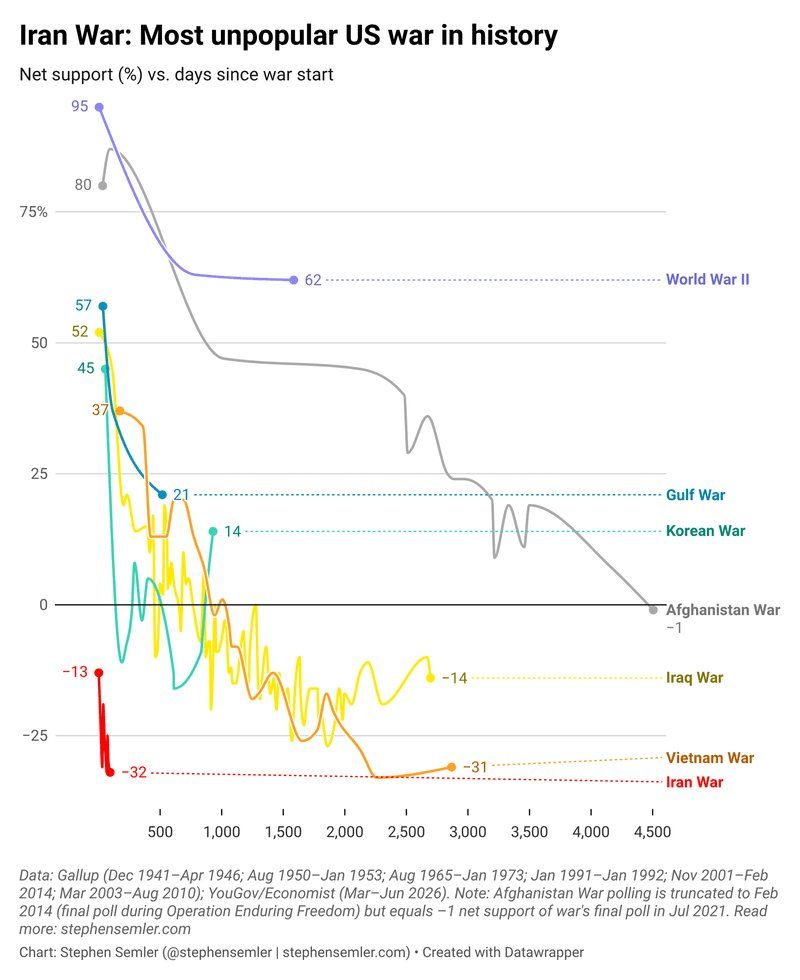
There has never been a less popular war, a result of the president's unserious approach to the war and his refusal to rally the people or congress.
Source: Mike Nelson
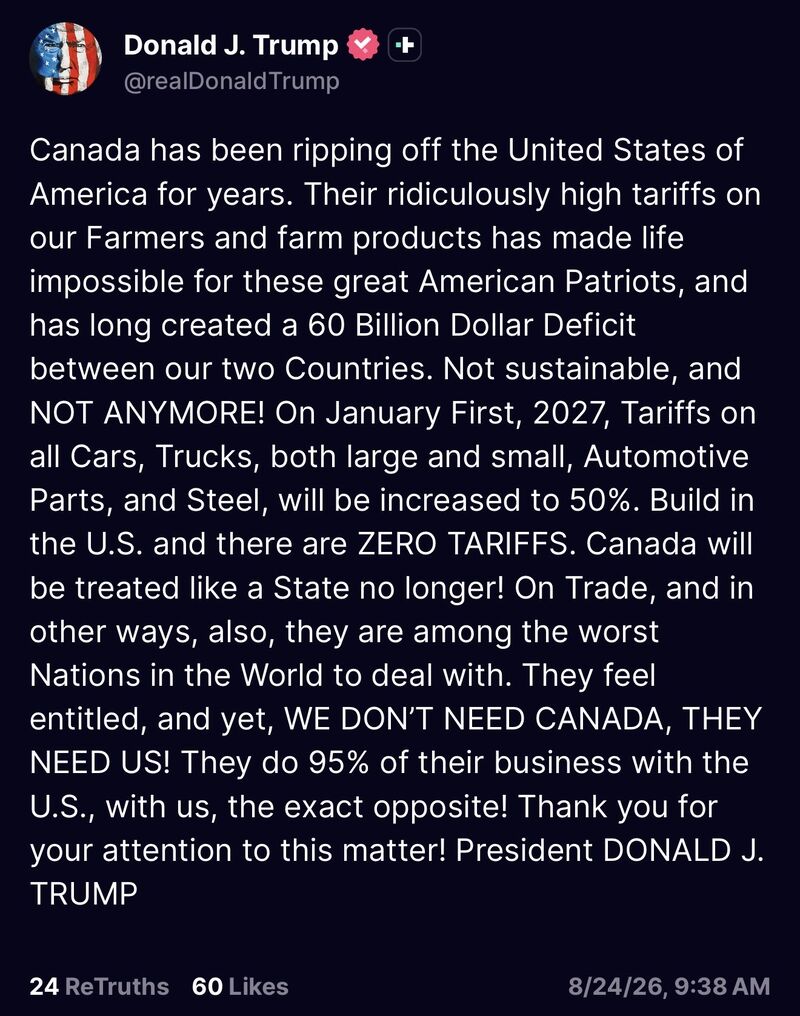
President Trump says tariffs on Canada will be increased to 50% on “all cars, trucks, both large and small, automotive parts, and steel” on January 1st 2027
“Canada will be treated like a state no longer” Source: TrendSpider
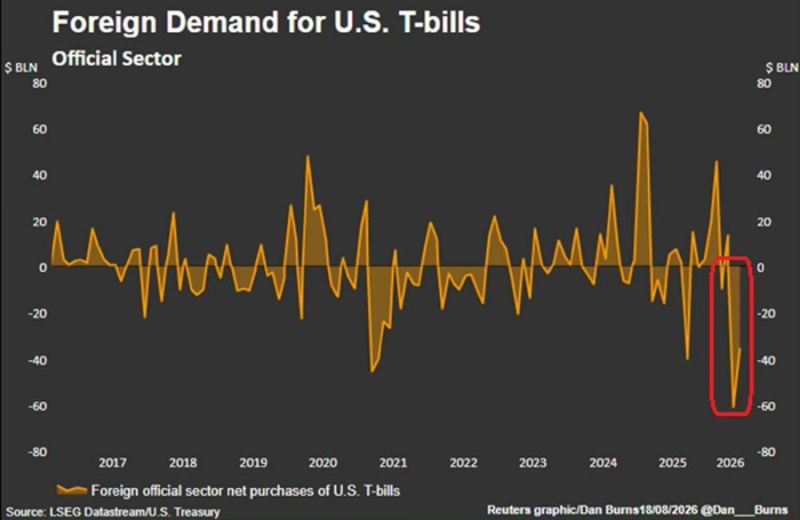
Foreign demand for USTs is at its lowest level in over a decade.
Is this why Bessent has to step in and offset some of that lost demand through Treasury QE ??? Source: Bloomberg, Lukas Ekwueme
The $40 trillion US debt problem may be one of the strongest arguments for gold - Advait Arora on X
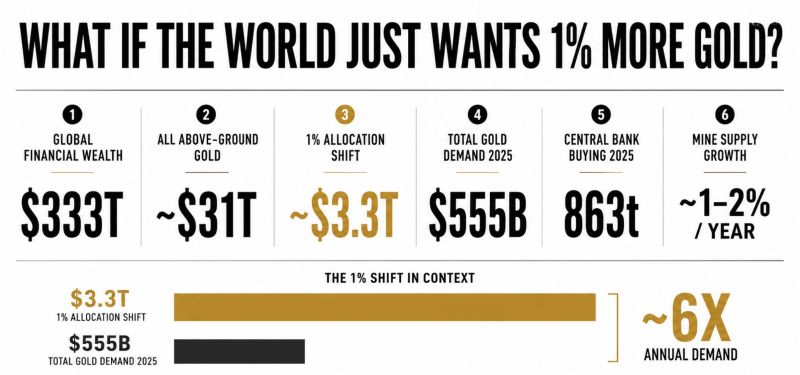
US interest costs are approaching $1.2 trillion this fiscal year, while the deficit has already reached $1.8 trillion in just 10 months. As Ray Dalio warns, when debt grows faster than the economy, the eventual choices become uncomfortable: higher taxes, spending cuts, financial repression… or more money creation. Meanwhile, gold supply remains remarkably constrained. Central banks bought 860+ tonnes in 2025 and another 244 tonnes in Q1 2026, while mine production increased just 1%. Here’s the fascinating part: Global financial wealth: ~$333 trillion Value of all gold ever mined: ~$31 trillion A mere 1 percentage-point increase in global portfolio allocations to gold would represent roughly $3.3 trillion. That’s almost 6x total annual gold demand. Gold doesn’t need everyone to become bullish. It just needs investors to want slightly more of something that remains scarce. Source: Advait Arora
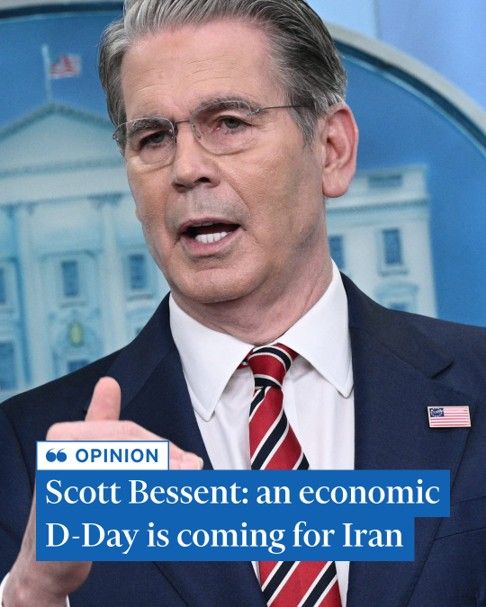
Over the weekend, Scott Bessent wrote an article in the FT: "An economic D-Day is coming for Iran" - here are the key takeaways:
• The US Treasury secretary announces an unprecedented campaign to impose “total financial isolation” on Iran, describing it as an “economic D-Day” following the degradation of Iran’s military and nuclear capabilities. • The strategy extends beyond Iran itself. Washington will target every country, company and financial institution that buys or transports Iranian oil, processes its payments, registers its ships or aircraft, or facilitates sanctions evasion. • Iran’s remaining partners face a binary choice: sever their links with Tehran and retain access to global capital, or risk secondary sanctions, financial isolation and treatment by Washington as “global pariahs”. • The objective is to eliminate every economic lifeline supporting the Iranian regime—potentially weakening it to the point of collapse—while avoiding further direct US military intervention. • The message is also a deterrent: American enforcement is no longer negotiable, and any Iranian attack against US forces or Gulf allies would trigger a rapid and decisive military response. Bottom line: This signals a major escalation from sanctions on Iran to a direct ultimatum against the entire network supporting it—with potentially significant consequences for oil flows, global trade, inflation and relations between the US and Iran’s economic partners.
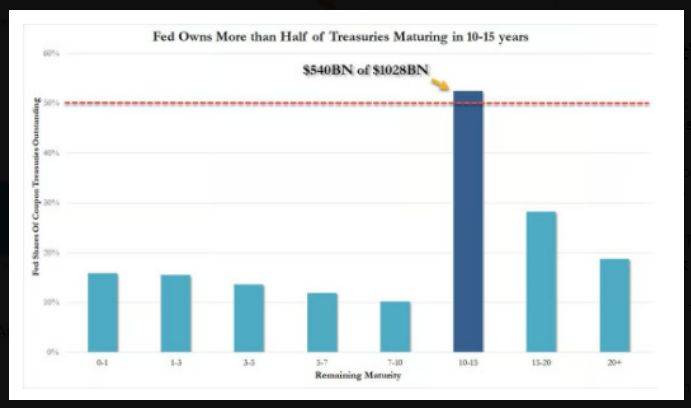
Federal Reserve now owns more than half of all U.S. Treasuries maturing within the next 10-15 years
Source: Barchart
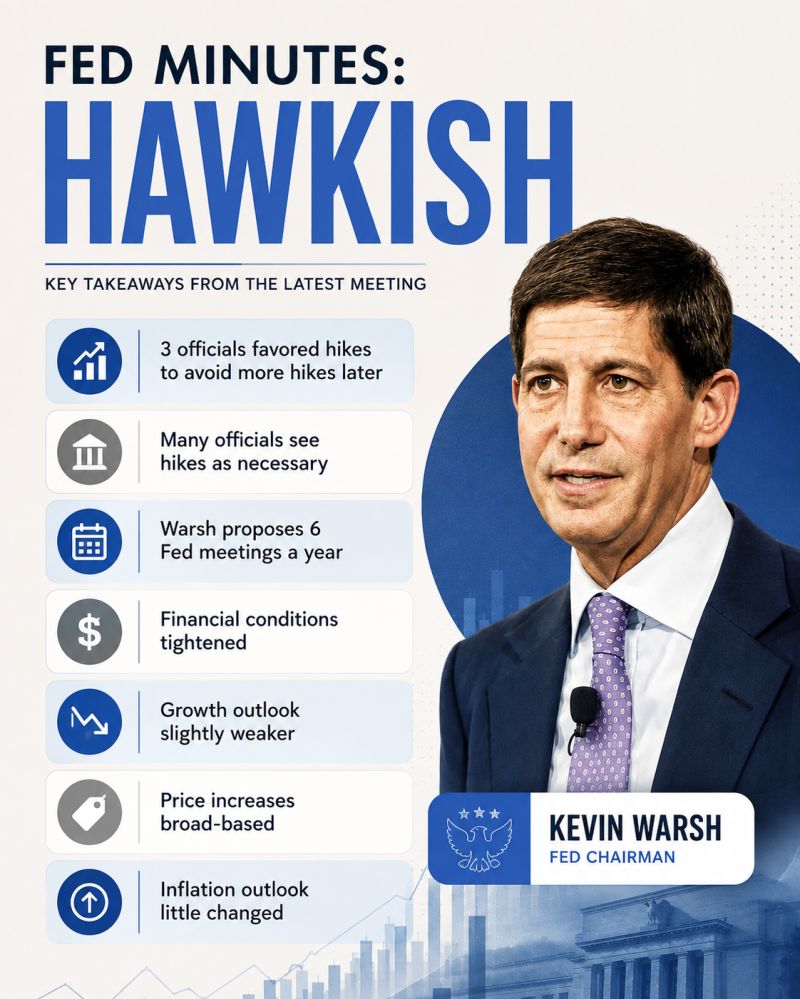
Yesterday, the Federal Reserve has released the minutes from its July FOMC meeting.
Several officials favored a rate hike, while many said further tightening may be needed if inflation does not decline.