

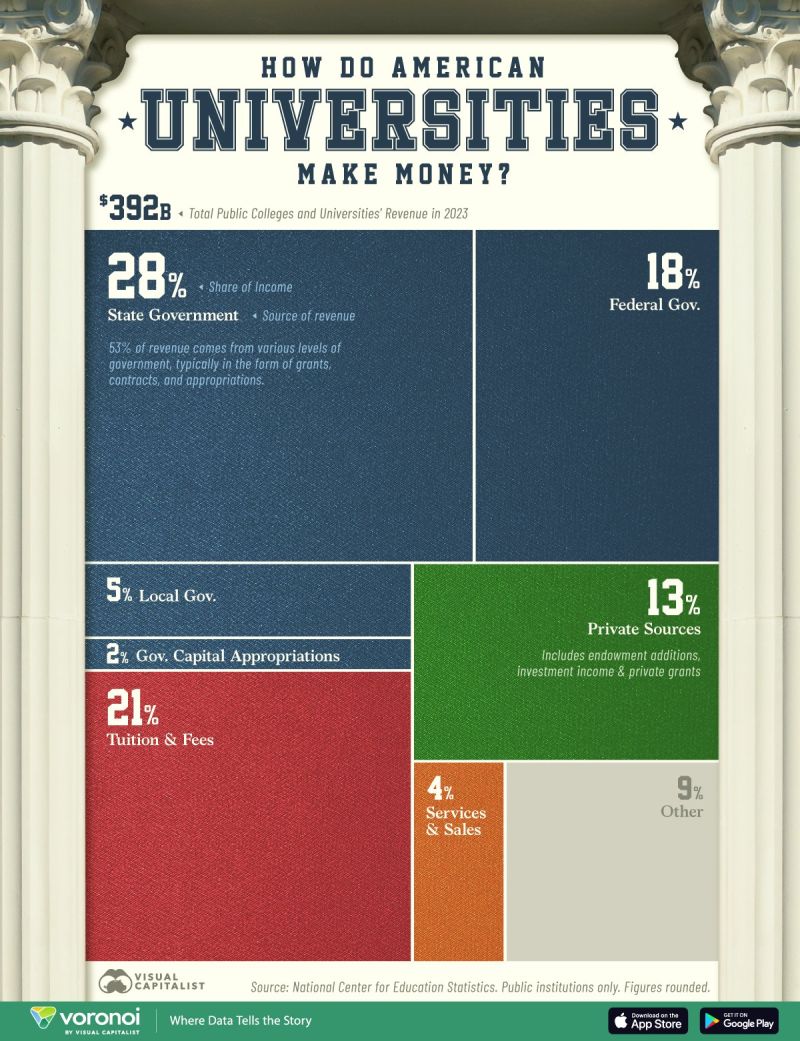
How do US universities make money?
Source: Markets & Mayhem @Mayhem4Markets, Voronoi
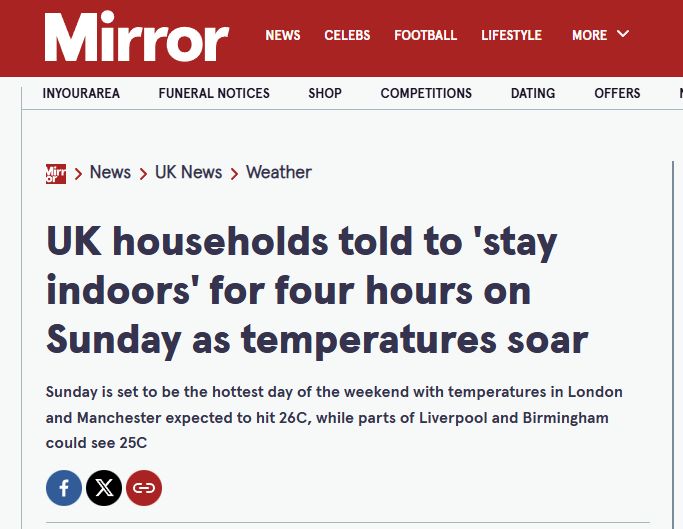
Britons are being urged to stay home today between 11 a.m. and 3 p.m. because the temperature is set to reach... 24 to 26 degrees.
Isn't it too much?
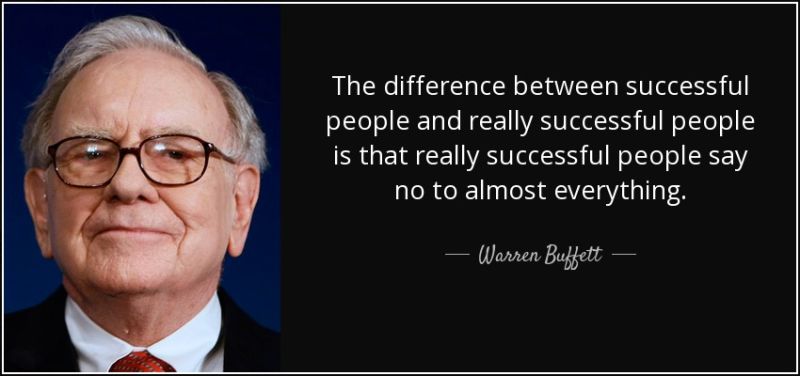
It is important to be able to say "NO".
The difference between successful people and really successful people is that really successful people say no to almost everything" - Warren Buffet
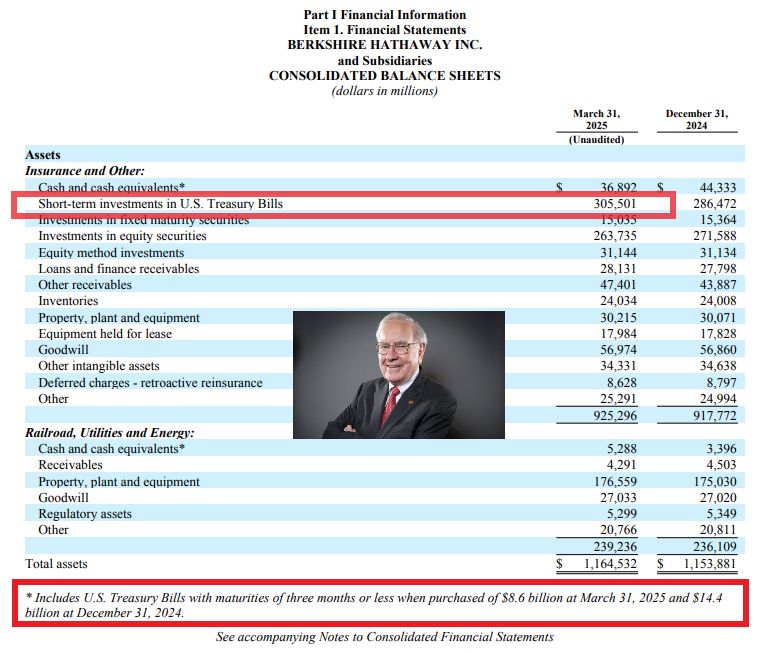
Warren Buffett now owns an astonishing 5.1% of the entire U.S. Treasury Bill Market 🚨🚨🚨
@barchart
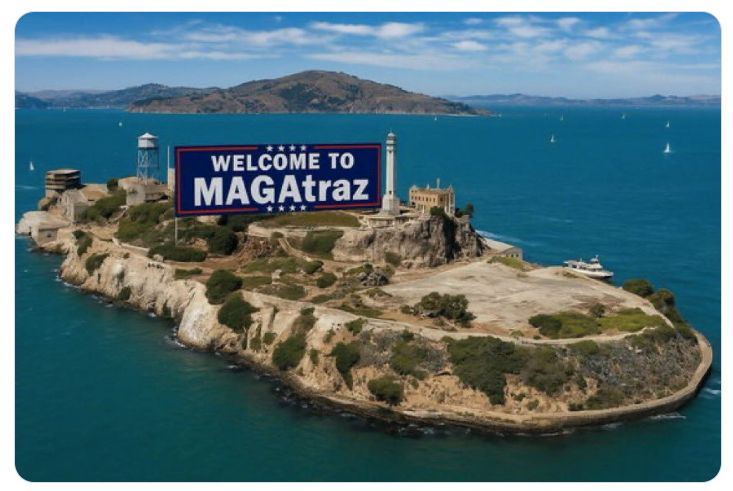
Grand opening coming soon! Trump orders reopening of Alcatraz prison for ‘most ruthless offenders’
▶️ Trump orders reopening of Alcatraz prison for ‘most ruthless offenders’ Plan to expand and reuse long-shuttered penitentiary off San Francisco described as ‘not serious’ by Nancy Pelosi ▶️ Donald Trump has said he is directing the administration to reopen and expand Alcatraz, the notorious former prison on an island off San Francisco that has been closed for more than 60 years. ▶️ California Democrats called the idea “absurd on its face” and part of the US president’s strategy of political distraction. Other officials pointed to the closure of the prison complex in 1963, known for its brutal conditions, due to operational expense and the high number of (unsuccessful) escape attempts. ▶️ “Alcatraz closed as a federal penitentiary more than 60 years ago. It is now a very popular national park and major tourist attraction. The president’s proposal is not a serious one,” the California Democratic congresswomen and former House speaker Nancy Pelosi said. ▶️ In a post on his Truth Social site on Sunday evening, Trump wrote: “For too long, America has been plagued by vicious, violent, and repeat Criminal Offenders, the dregs of society, who will never contribute anything other than Misery and Suffering. When we were a more serious Nation, in times past, we did not hesitate to lock up the most dangerous criminals, and keep them far away from anyone they could harm. That’s the way it’s supposed to be.” Source: Gunther Eagleman™ on X, The Guardian
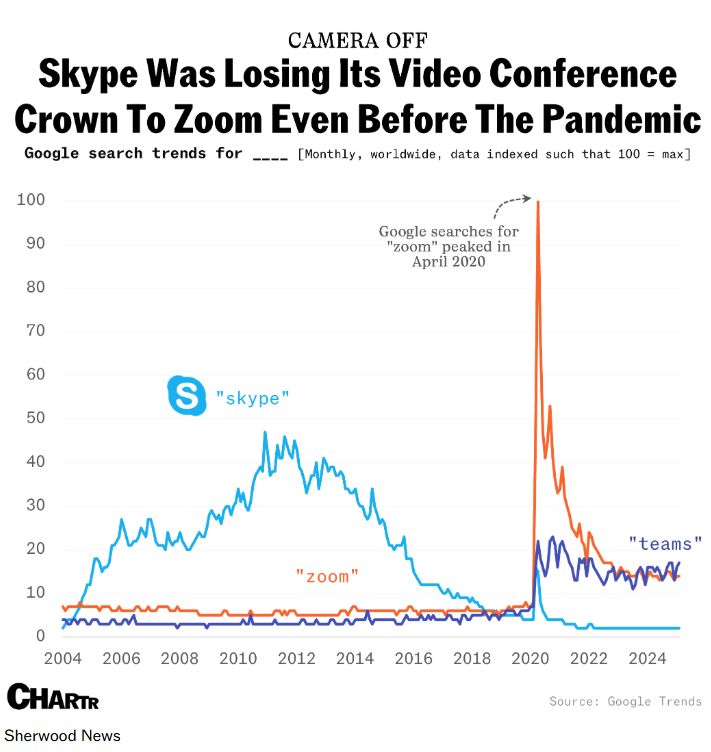
It’s official: video call platform Skype, once one of the world’s most popular websites and an icon of the 2000s internet era, is no longer be available.
▶️ Founded in 2003, Skype quickly became one of the largest video and voice call carriers globally, counting 52 million active users just two years after launch. The company was acquired by Microsoft in 2011 for $8.5 billion, integrating the service with its other products like Xbox and Windows devices. ▶️While the rise of other video conferencing services like Zoom during the pandemic — as well as the introduction of Windows 11 in 2021, which had Microsoft’s Teams app integrated by default — can be pointed to as the beginning of the end for Skype, Google Search data suggests that the platform had been losing ground for some time. ▶️Skype will now be replaced with the free version of Microsoft Teams, with users maintaining their message history, group chats, and contacts — but, per The Verge, Skype’s domestic and international call carrier services will be lost with the move. Source: Chartr
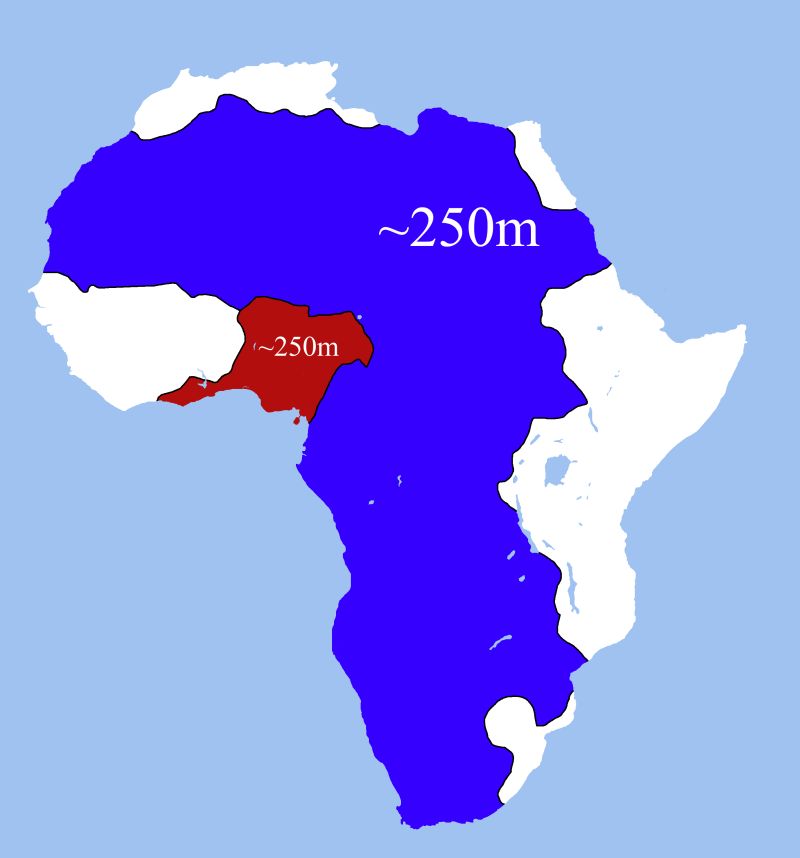
These two areas of Africa have roughly equal populations, 2020
Source: OnlMaps @onlmaps on X
SOLAR UPGRADE: NEW PANELS ARE 1,000X STRONGER, THINNER THAN A HUMAN HAIR
Scientists in Germany just cooked up a solar panel sandwich that makes today’s tech look like a flip phone. By stacking ultra-thin layers of exotic crystals, they created solar cells 1,000 times more powerful than silicon—and way more durable. These featherweight panels don’t even need complex wiring and could someday power cities using way less space, money, and sunlight. Source: Bright Side of News, Mario Nawfal on X