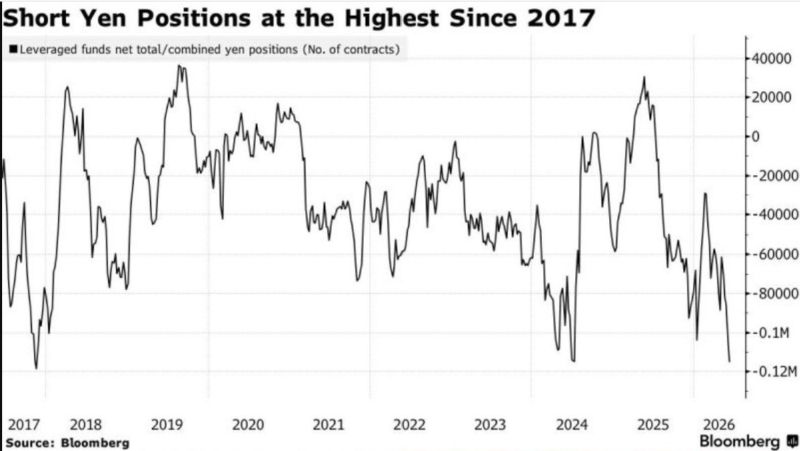

Bloodbath in Asian Markets
Over $650 BILLION has been wiped out from Asian stocks as semiconductor and tech stocks sell off across Asian markets. 🇰🇷 South Korea's KOSPI -5.5%, wiping out ₩279.7T ($186B). 🇯🇵 Japan's NIKKEI -3.1%, wiping out ¥36.7T ($232B). 🇨🇳 China's SSE -2%, wiping out ¥1.29T ($180B). 🇹🇼 Taiwan's stock market -1.5%, wiping out NT$1.80T ($55B). Source: Bull Theory
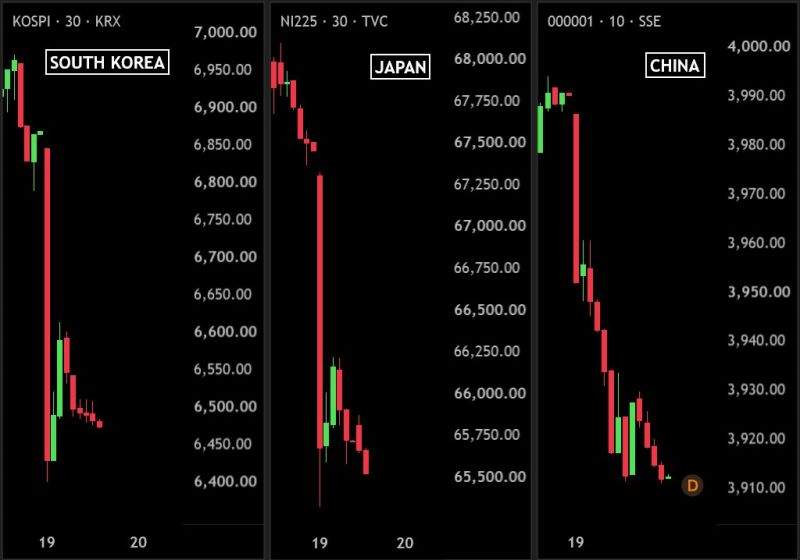
The 🇯🇵 Japanese 10 year yield just jumped to 2.93%.
Can the parabolic rise continue without hurting global bond markets and stocks? Source: Financelot
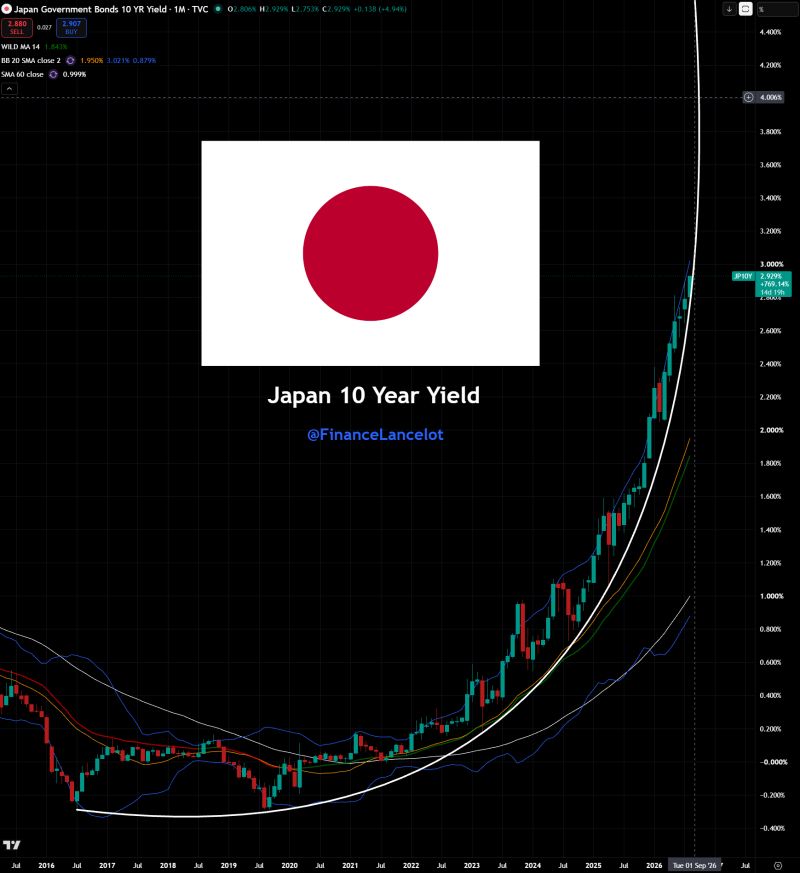
In case you missed it.. Japan’s economy expanded 1.1% in the second quarter on an annualized basis, missing expectations for 2% growth as softer domestic demand offset strong exports.
This is the first full quarter to include the impact of the Iran war, which has brought energy prices higher for business and households. Source: CNBC
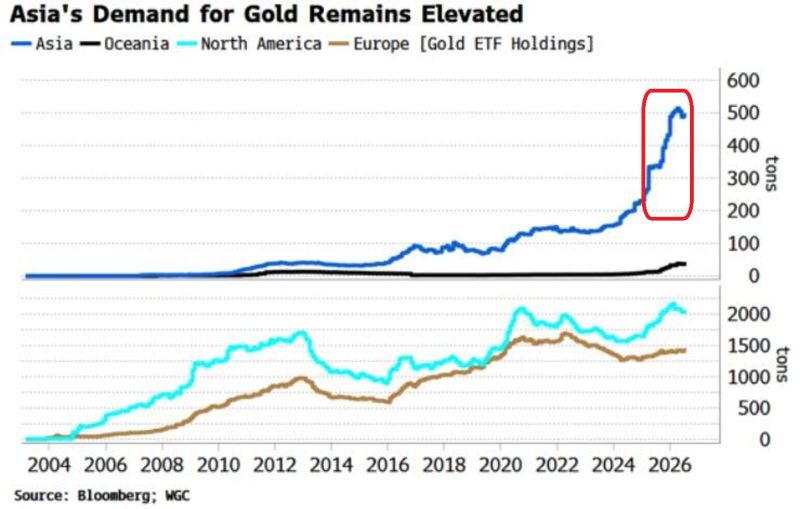
Gold demand in Asia remains exceptionally strong.
Asian gold ETF holdings have more than doubled over the past year, surpassing 500 tonnes for the first time this century, with China driving much of the surge. By contrast, gold ETF holdings in North America and Europe have remained broadly stable. And the macro backdrop supporting gold has barely changed: Government debt remains historically high Fiscal deficits remain elevated Non-bank credit continues to expand Leverage across the financial system remains substantial In other words, the structural case for gold remains firmly intact. What is changing is investor demand. Asian investors, particularly in China, are accumulating gold at an accelerating pace. And when structural macro support meets rising investment demand, the adjustment ultimately has to come through one place: The price of gold. Source: Bloomberg, Global Markets Investor
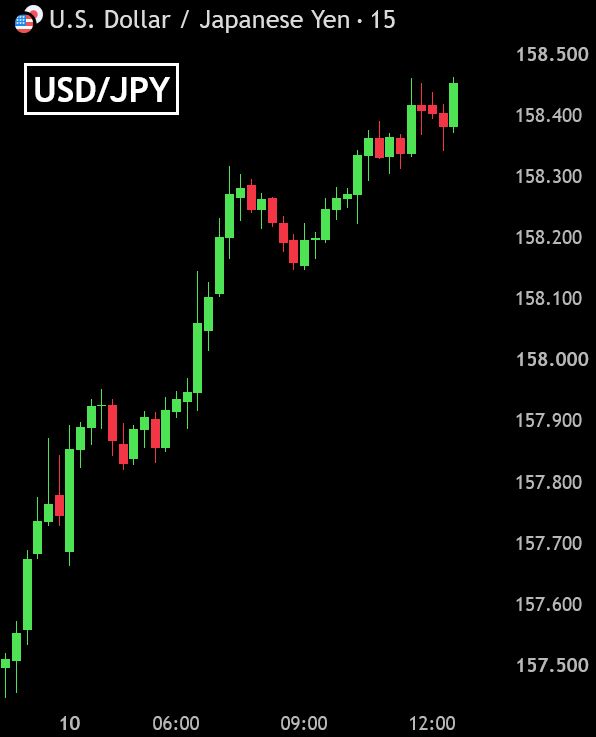
Japanese yen weakened past 158 per dollar.
Japan’s current account unexpectedly swung to a ¥923B deficit in June, its first since January 2025, versus expectations for a ¥1.512T surplus. Yen is currently the weakest G-10 currency in August as the effect of the joint US-Japan intervention fades. Bank of Japan also flagged rising inflation risks in its July summary of opinions, with one board member saying rate hikes could come faster. Source: Bull Theory
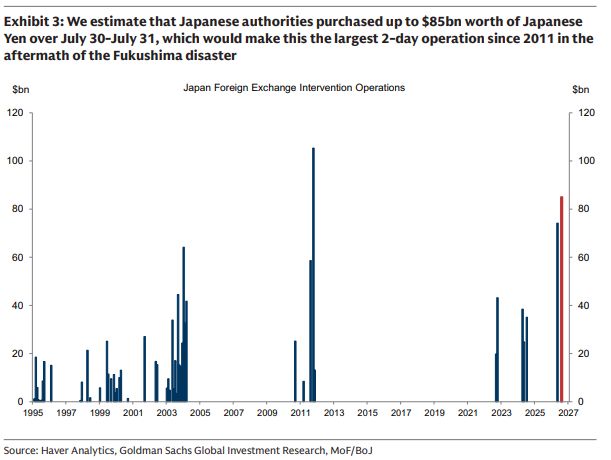
Japan's yentervention last week was the 2nd largest in history ($85BN) second only to Fukushima
Source: zerohedge
TRADERS ARE BETTING AGAINST THE YEN AT THE SECOND HIGHEST LEVEL EVER RECORDED
And this is happening just days after Japan and the US spent an estimated $88 billion trying to stop the yen from falling. Combined net short positions from asset managers and leveraged funds hit -205,000 contracts as of July 28, just short of the 2024 record. Hedge funds alone are the most bearish since 2007. The intervention happened, and traders went right back to shorting. Source: Bloomberg, Bull Theory
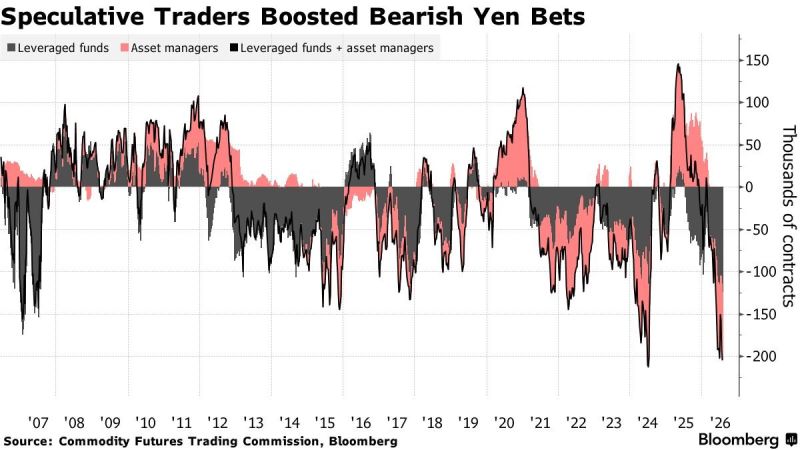
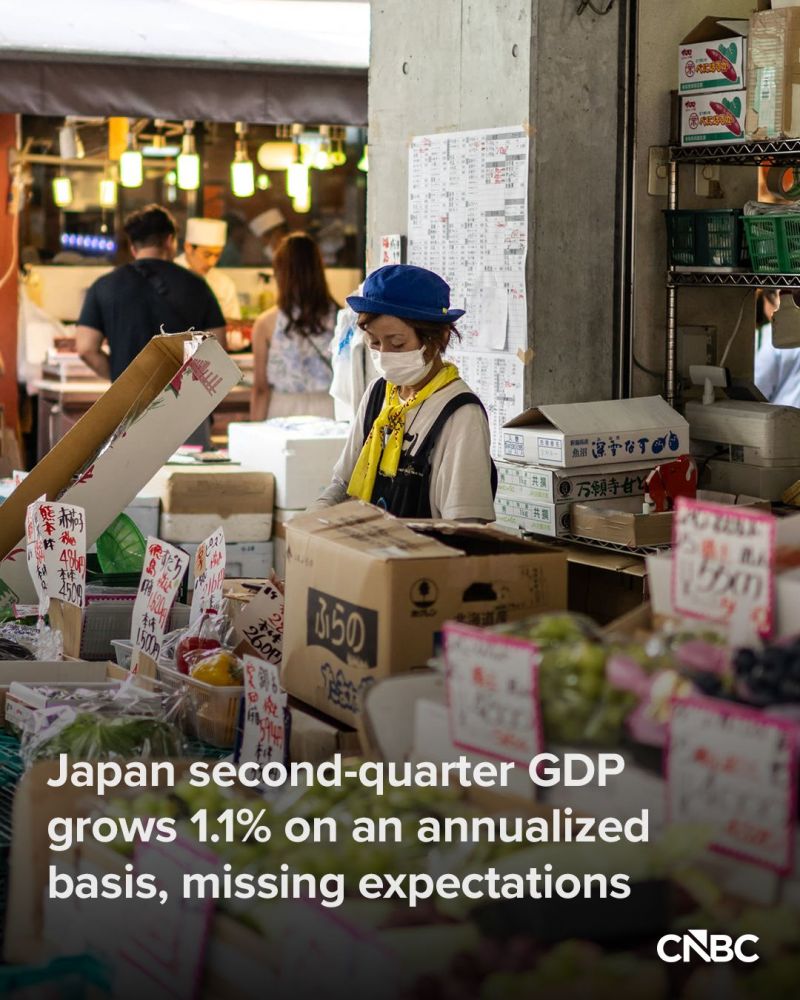
THE WORLD'S MOST DANGEROUS TRADE IS GETTING EVEN MORE CROWDED.
Leveraged funds are now holding their largest short position in the Japanese yen since 2017. They're borrowing ultra-cheap yen to buy higher-yielding assets, particularly U.S. technology stocks, making the yen carry trade more crowded than it has been in years. The risk is what happens if the yen suddenly strengthens. A sharper yen forces investors to buy back the currency to repay their loans, triggering rapid deleveraging across global markets. We've seen this before. In August 2024, the yen surged roughly 14% against the U.S. dollar, sparking a violent unwind of carry trades. More than $6 trillion was erased from global equity markets, and panic selling reached levels not seen since the COVID crash. Today, speculative positioning is even more extreme. That doesn't guarantee another unwind—but it does mean the market is more vulnerable if the yen stages another sharp rally. Source: The Macro Paper