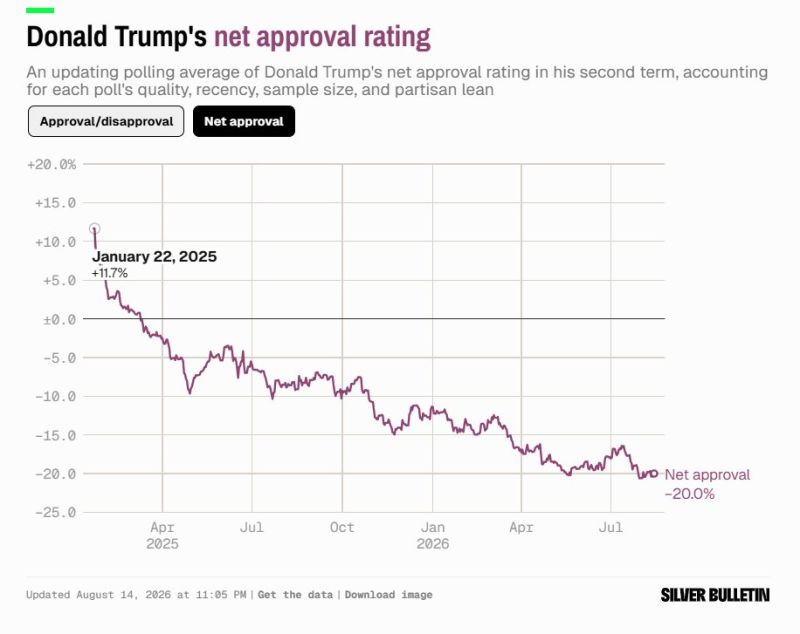

PRESIDENT TRUMP says he's NOT trying to force Iran to the bargaining table and "couldn't care less" if they sign a deal.
"When are the Iranian people going to rise up and fight?" Source: Bull Theory
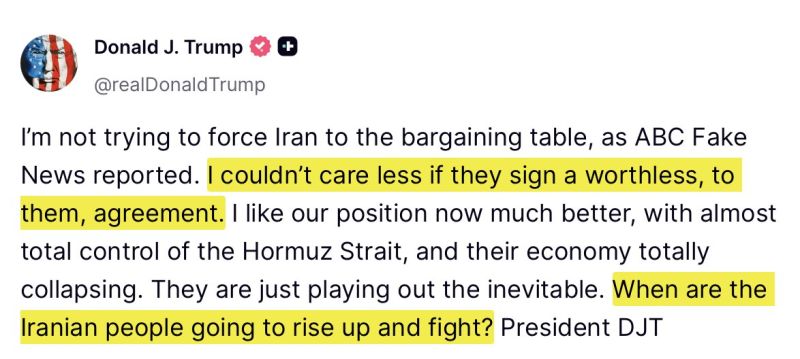
There has never been a less popular war, a result of the president's unserious approach to the war and his refusal to rally the people or congress.
Source: Mike Nelson
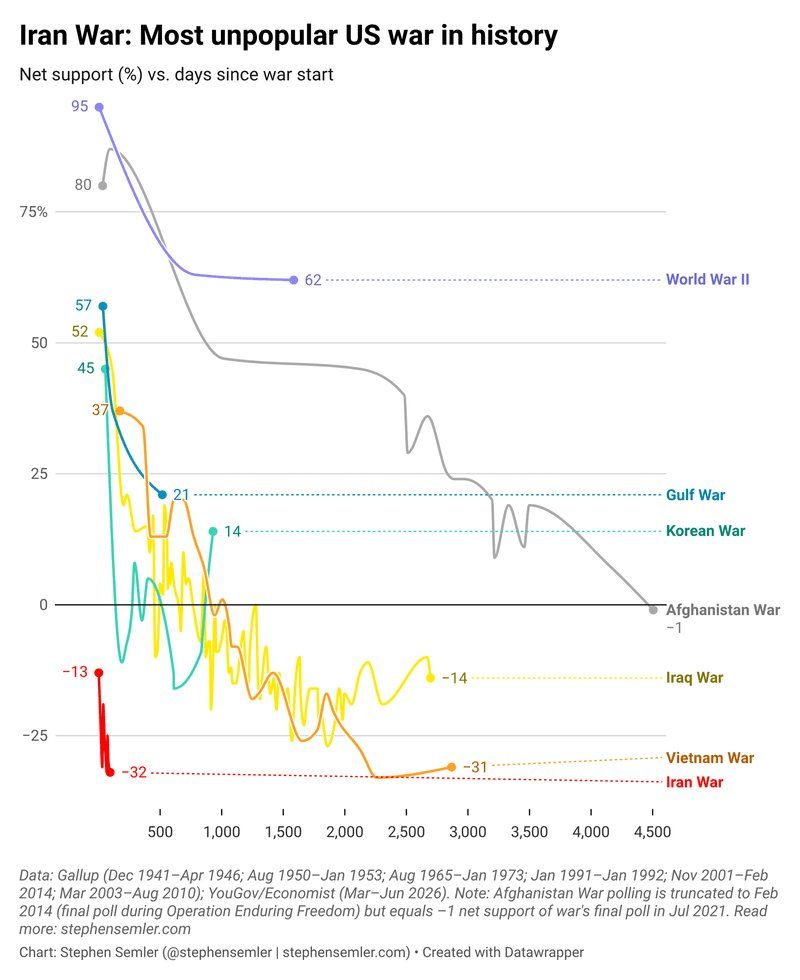
In case you missed it... Canada to double existing counter-tariffs on US steel and aluminum products to 50%, in addition to other tariffs on furniture, clothing, and electronics.
Source: Kevin Gordon
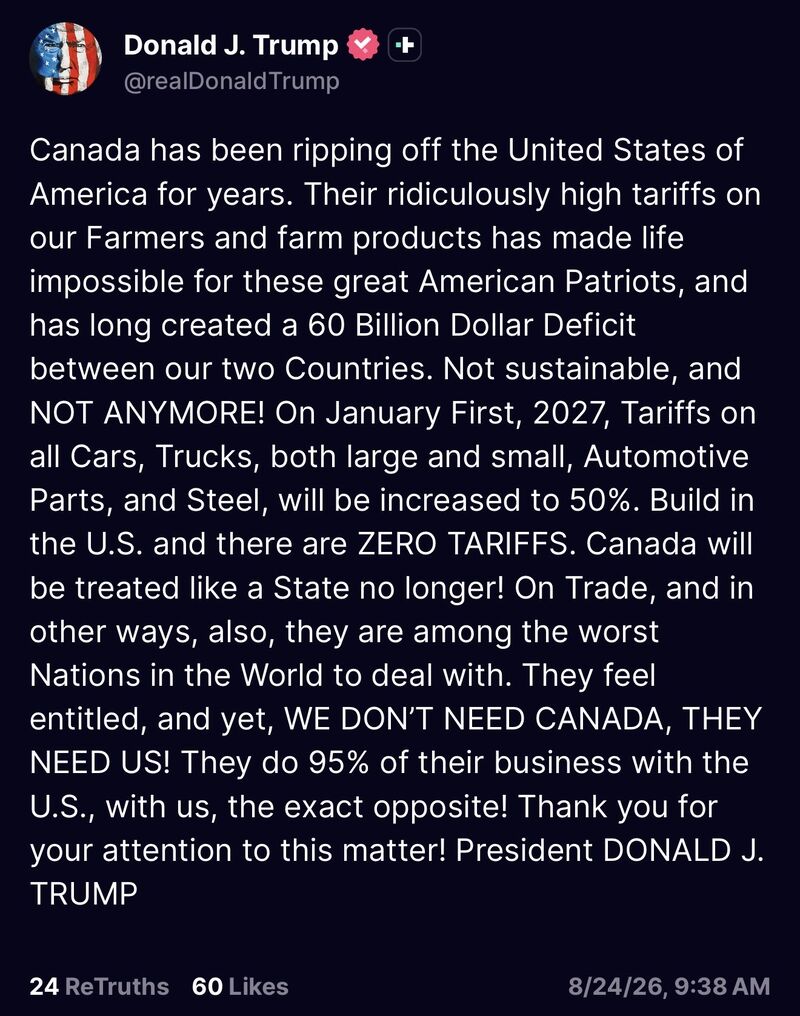
President Trump says tariffs on Canada will be increased to 50% on “all cars, trucks, both large and small, automotive parts, and steel” on January 1st 2027
“Canada will be treated like a state no longer” Source: TrendSpider
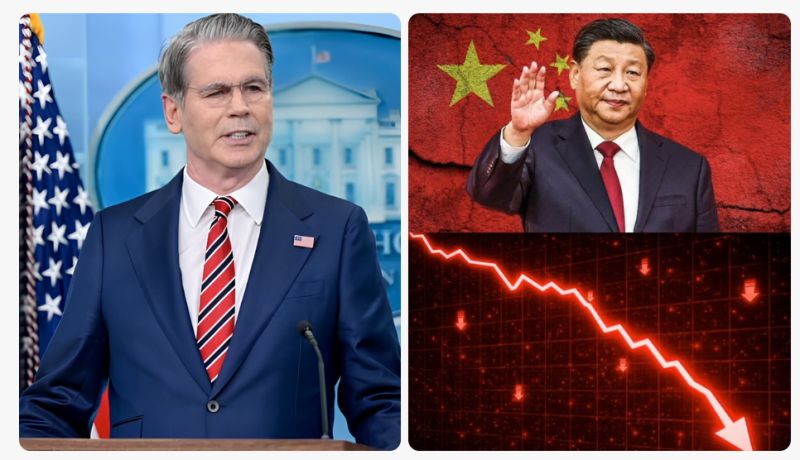
The US could soon target Chinese banks over Iranian oil
China buys roughly 90% of Iran’s oil exports, largely through independent refiners. Purchases are slowing — from around 823,000 barrels/day in July to 534,000 in August — but they haven’t stopped. Now the stakes are rising. Treasury Secretary Scott Bessent has warned that entities doing business with Iran could be cut off from the US dollar system. Beijing’s response? Sanctions are not the solution, and China will defend its economic interests. The potential escalation is significant: If China keeps buying Iranian crude, Washington could move against Chinese financial institutions facilitating those trades. At that point, this would no longer be just about Iran. It could become a direct financial confrontation between the US and China — with the dollar system at the center of it. Source: Bull Theory
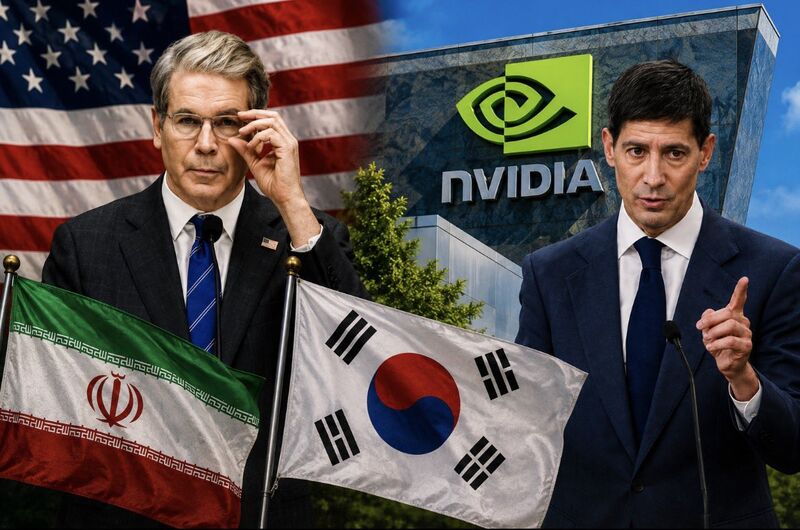
The Week Ahead : Several key events next week could impact global markets.
Monday: • Treasury Secretary Bessent announces new Iran economic measures Wednesday: • 🇺🇸 US PCE inflation • 🇺🇸 US Q2 GDP revision • $NVDA earnings report Thursday: • Bank of Korea interest rate decision • Jackson Hole Symposium begins Friday: • Fed Chair Kevin Warsh speaks at Jackson Hole Source: CryptoTweets
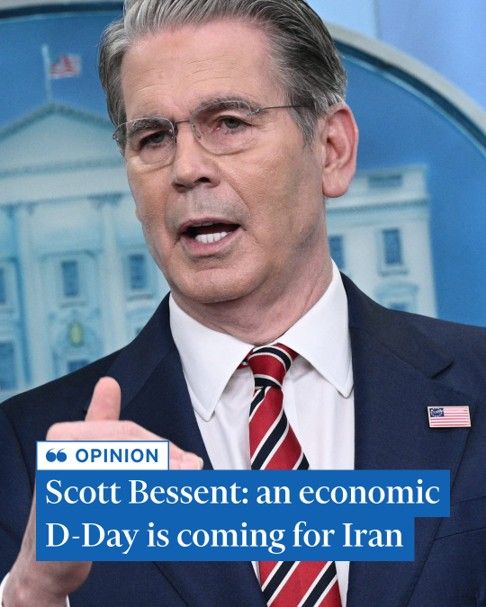
Over the weekend, Scott Bessent wrote an article in the FT: "An economic D-Day is coming for Iran" - here are the key takeaways:
• The US Treasury secretary announces an unprecedented campaign to impose “total financial isolation” on Iran, describing it as an “economic D-Day” following the degradation of Iran’s military and nuclear capabilities. • The strategy extends beyond Iran itself. Washington will target every country, company and financial institution that buys or transports Iranian oil, processes its payments, registers its ships or aircraft, or facilitates sanctions evasion. • Iran’s remaining partners face a binary choice: sever their links with Tehran and retain access to global capital, or risk secondary sanctions, financial isolation and treatment by Washington as “global pariahs”. • The objective is to eliminate every economic lifeline supporting the Iranian regime—potentially weakening it to the point of collapse—while avoiding further direct US military intervention. • The message is also a deterrent: American enforcement is no longer negotiable, and any Iranian attack against US forces or Gulf allies would trigger a rapid and decisive military response. Bottom line: This signals a major escalation from sanctions on Iran to a direct ultimatum against the entire network supporting it—with potentially significant consequences for oil flows, global trade, inflation and relations between the US and Iran’s economic partners.
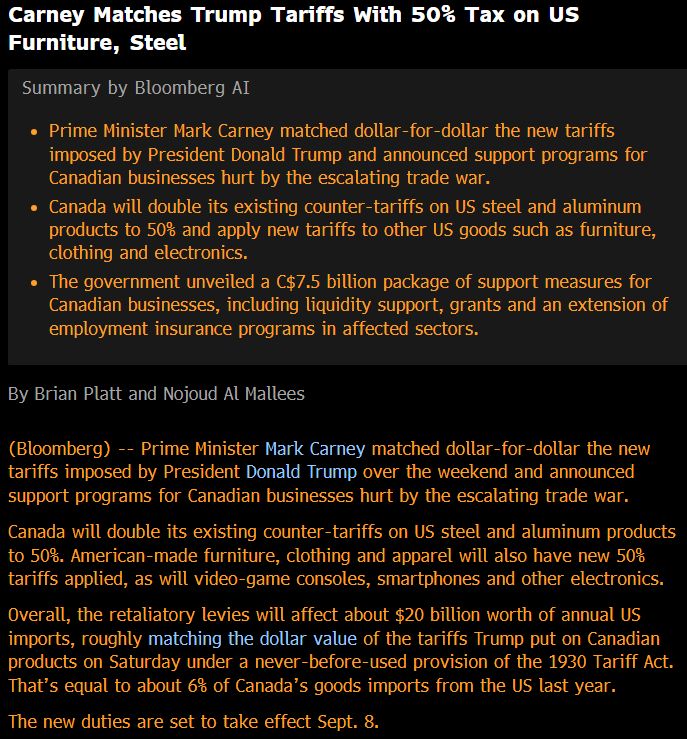
Donald Trump's net approval rating remains close to record low ahead of midterms
Nate Silver thru Christophe Barraud