
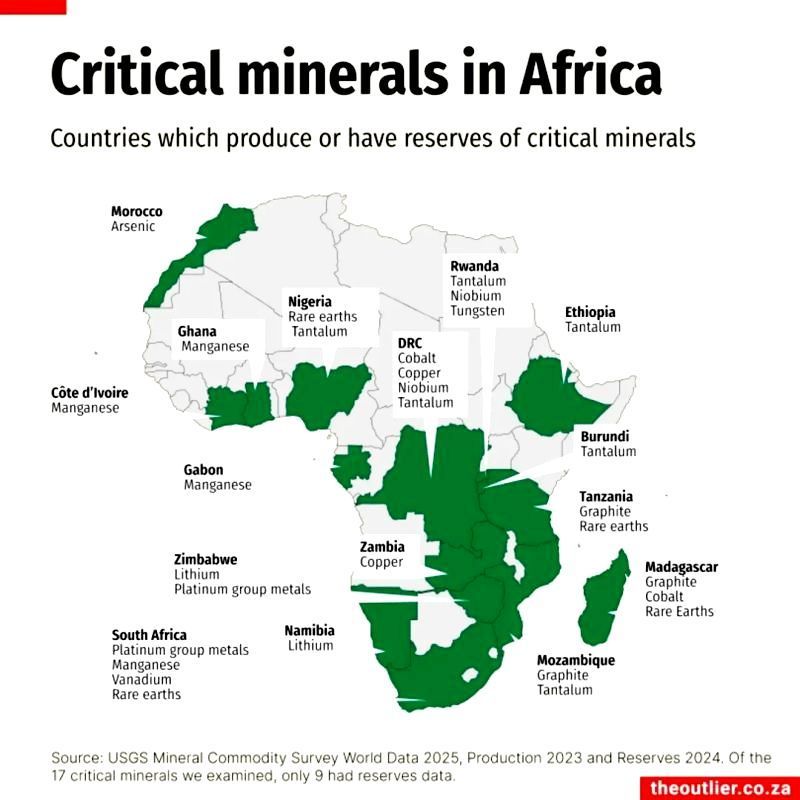
Africa is a critical minerals powerhouse
The Continent holds the keys to Green Tech Map highlights producers/reserves: DRC: Cobalt, Copper, Niobium, Tantalum South Africa: Platinum Group Metals, Manganese, Vanadium, Rare Earths Zambia: Copper Namibia: Lithium Tanzania/Zimbabwe: Graphite, Rare Earths Ghana/Gabon: Manganese Rwanda/Burundi: Tantalum Bottom-line: from EV batteries to renewables Africa is indispensable. And it has much more to offer than minerals. Source: Jack Prandelli, theoutlier.co.za
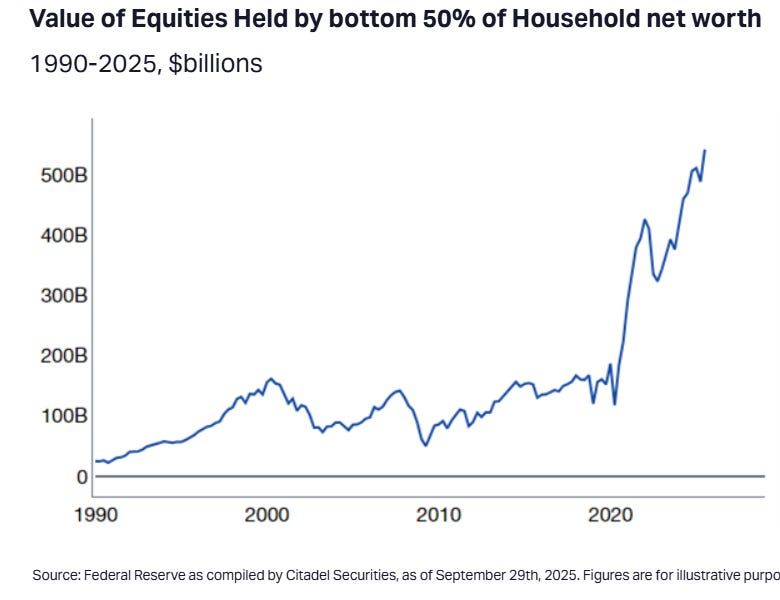
🤯 The Hidden Engine Powering the US Economy
Everyone is talking about interest rates and inflation, but here’s the underappreciated truth: The average US household’s net worth has silently exploded thanks to unbelievable equity returns over the last five years. 📈 That extra few hundred dollars on discretionary spending? It’s mentally offset by a stock portfolio that's sitting significantly higher. The Takeaway: This "wealth effect" isn't just a coincidence, it's likely among the reasons why the long-predicted recession keeps failing to materialize. When people feel richer, they spend! Source: Boring_Business @BoringBiz_
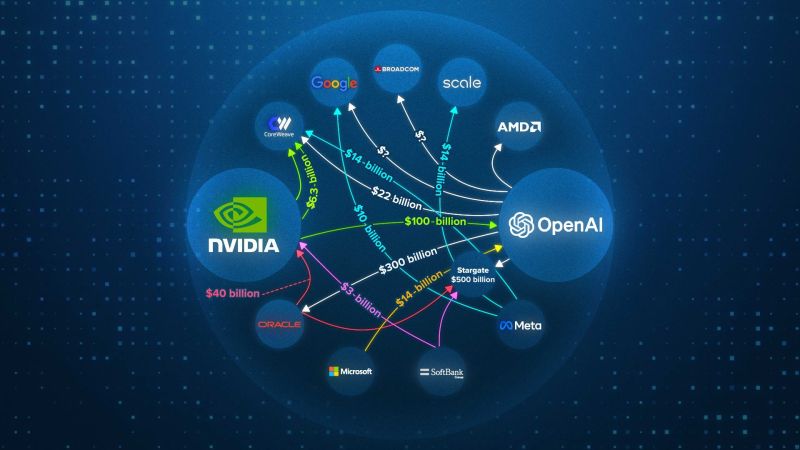
🤯 The Open AI circular financing 🤯
Forget the hype. Look at the numbers. The AI sector will spend $400 BILLION this year. Revenue? A measly $60 BILLION. That $340 BILLION gap? It's filled with circular financing and off-balance sheet debt 💣 🔴 The CoreWeave Trap: Circular Financing 🔄 The Play: CoreWeave uses NVIDIA’s money to buy NVIDIA’s chips, then rents them back to NVIDIA. The Math: They are spending $20 BILLION to make $5 BILLION in revenue. The Debt: They have $14 BILLION in debt due next year and a staggering $34 BILLION in lease payments starting in 2028. 🔴Debt & Leverage 🧊 OpenAI's Burn Rate: They make $10B but need $50B just for their Oracle deals! They're projected to lose $15 BILLION this year. The only one making money? NVIDIA. Everyone else is buying chips on credit, praying for a future payoff. 🙏 🔴SPVx Meta hid a $27 BILLION data center build off their balance sheet using Special Purpose Vehicles (SPVs). 🔴The New CDO? Companies are taking GPU-Backed Loans, posting chips as collateral. What happens when the chip bubble pops? It’s a cascade risk Will we see something similar to the housing collateral crisis, but with sthis time with silicon ??? 📉 🔴Private Credit: The $1.25 TRILLION Blind Spot 🚨 The riskiest part is happening in the shadows: Private Credit. Private Equity firms have already lent $450 BILLION to tech and plan to lend another $800 BILLION in two years. Zero Disclosure. They operate outside of traditional banking scrutiny. Life Insurers (who hold your policies!) have $1 TRILLION tied up in this private credit gamble. If AI loans fail, private credit fails. If private credit fails, banks and insurers are at risk because everyone is connected. To make a long story short, the leverage is building... Source: Hedgie on X
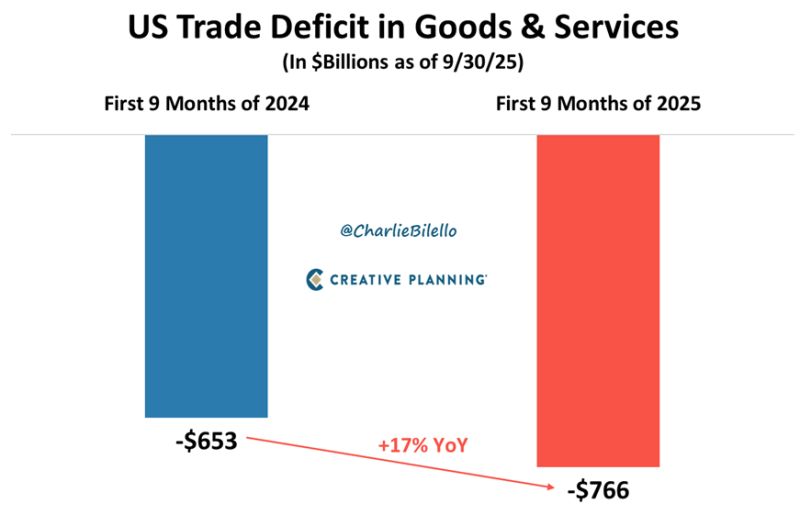
US Trade Deficit in Goods & Services...
First 9 months of 2024: –$653 billion deficit. First 9 months of 2025: –$766 billion deficit. +17% YoY 🚨 Record high. Source: Charlie Bilello
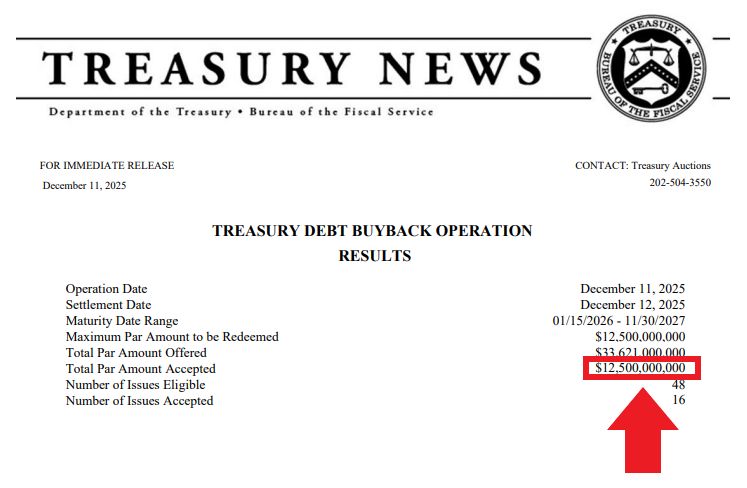
JUST IN 🚨: U.S. Treasury just bought back $12.5 billion of their own debt, equaling their largest buyback in history (which happened last week) 🤯👀
Source: Barchart
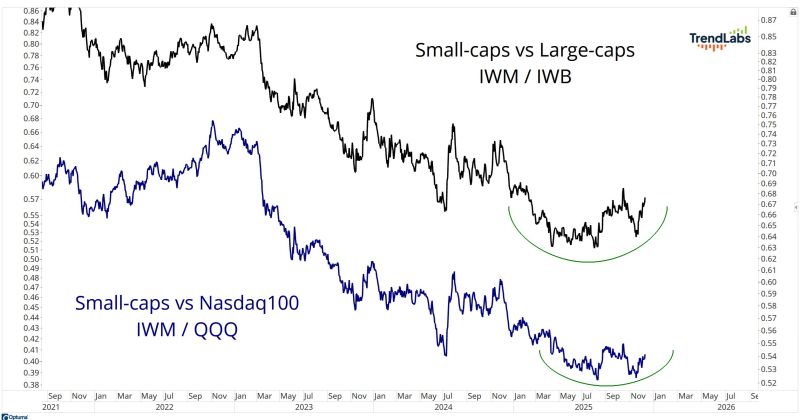
US small-caps at a turning point?
Source: J-C Parets
🚨SEISMIC FOR SILVER 🚨
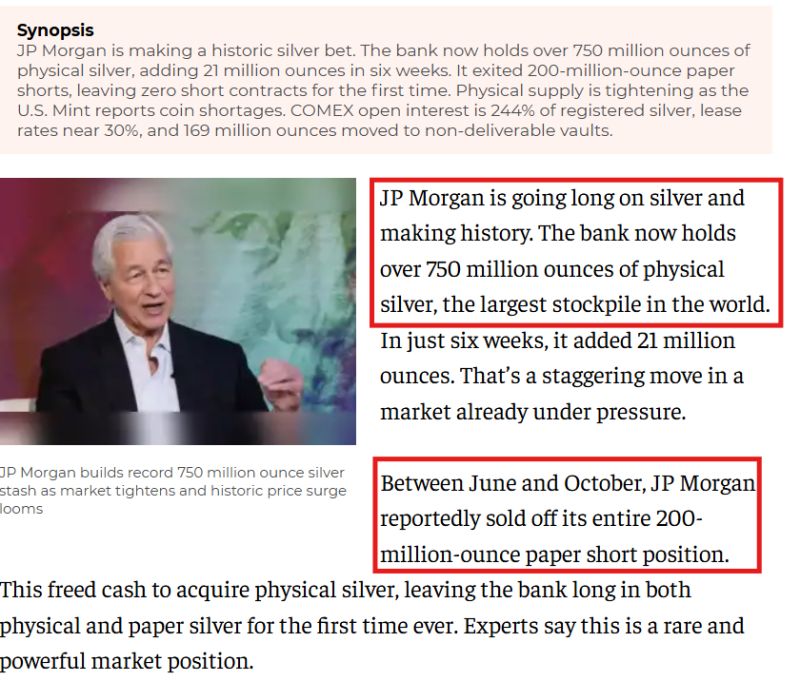
Reports on X and Economic Times of India are emerging that JP Morgan is positioning itself with a historic PHYSICAL SILVER STOCKPILE. If true this is a major event for silver The Economic Times of India : "JP Morgan is going long on silver and making history. The bank now holds over 750 million ounces of physical silver, the largest stockpile in the world. In just six weeks, it added 21 million ounces. That’s a staggering move in a market already under pressure. Between June and October, JP Morgan reportedly sold off its entire 200-million-ounce paper short position. This freed cash to acquire physical silver, leaving the bank long in both physical and paper silver for the first time ever. Experts say this is a rare and powerful market position. The move coincided with the U.S. Mint announcing a shortage of silver coins. Physical supply is tightening while demand is rising. JP Morgan is holding real silver, not paper contracts. This is a key difference from the Hunt brothers’ attempt to corner silver in 1980. Back then, reliance on paper contracts led to intervention and collapse. JP Morgan’s approach reduces risk of regulatory disruption. Source: Economic Times of India, Silvertrade
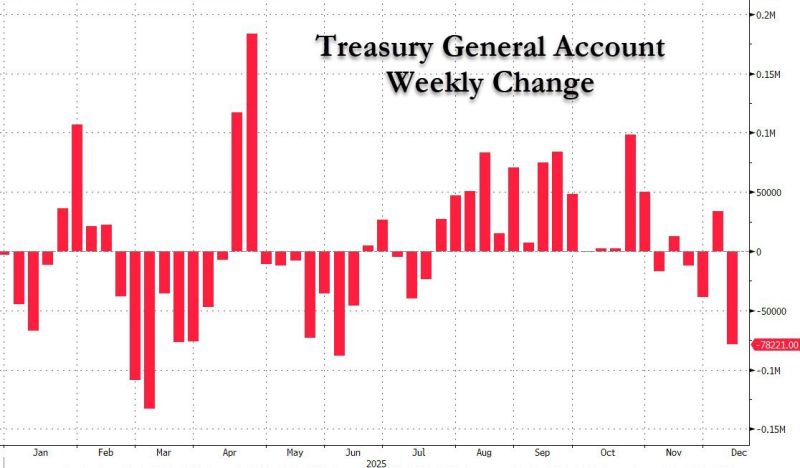
1) Repo fixed ✔️ : Fed launches Reserve Management Purchases (liquidity injections)
2) Treasury cash flood begins ✔️ : TGA balance down $78BN in one week (3rd biggest liquidity injection of 2025) 3) Meltup ✔️: stocks close at all time high Source: zerohedge