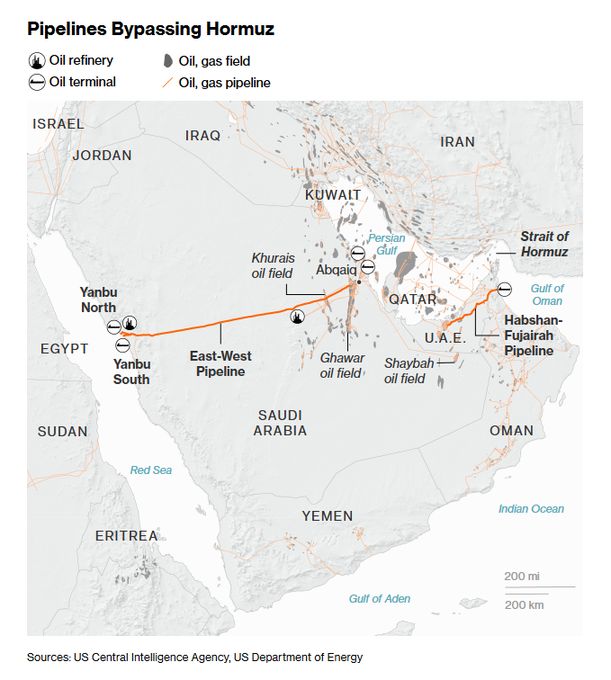
For the first time in decades, the IMF's biggest debt problem is not the poor countries.
It's the "rich" ones. Bond yields in the US, Europe & Japan are at all-time-highs. Meanwhile emerging markets are fine. The yield gap between EM & rich-world debt just hit its lowest since 2007. Source: Nic on X, Bloomberg
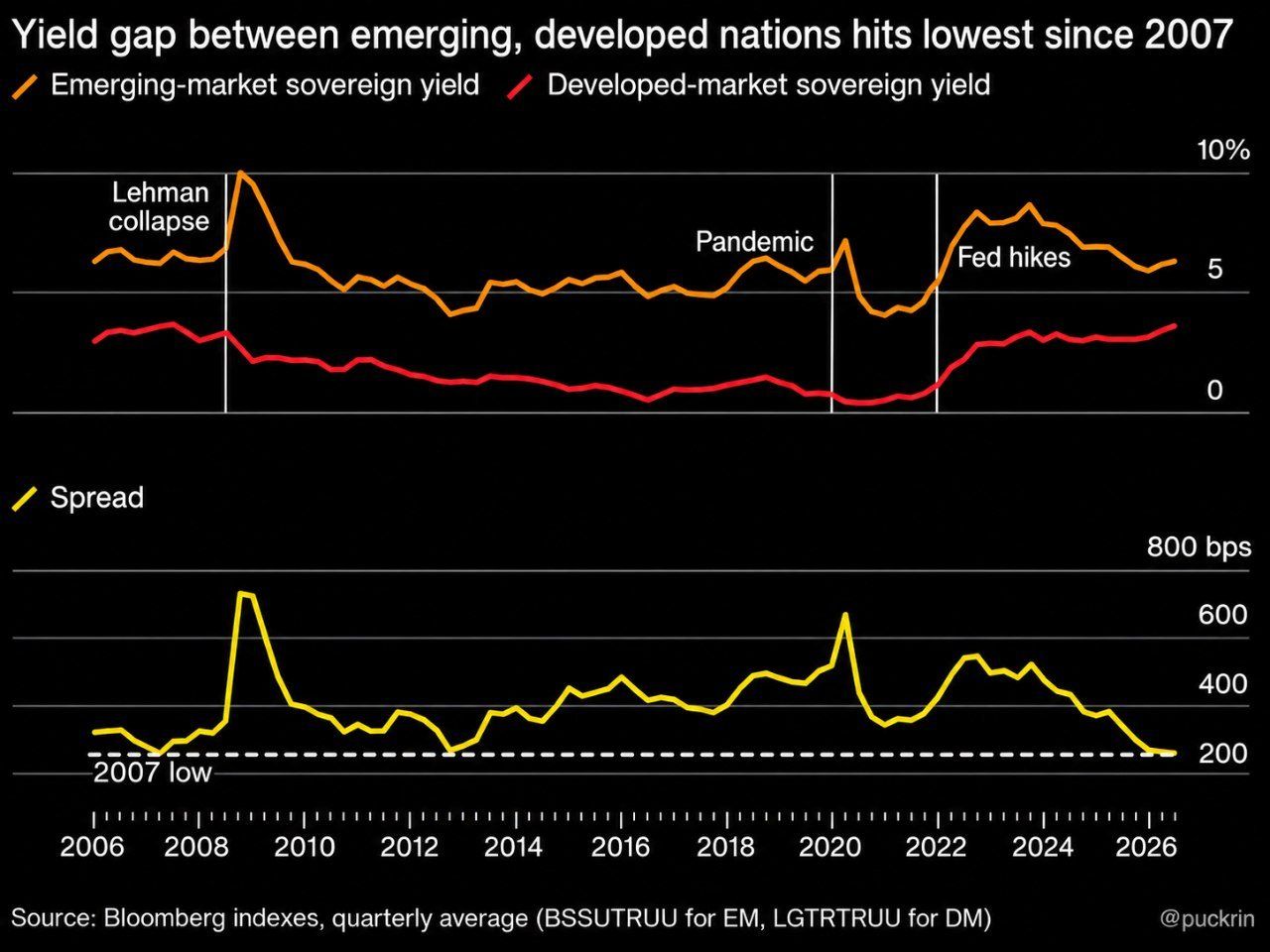
The gap between KOSPI and Taiwan has become extreme.
Korea is essentially a leveraged bet on the memory cycle, while Taiwan is dominated by TSMC and the advanced semiconductor manufacturing ecosystem. The market is increasingly questioning the sustainability of memory profits, while continuing to reward the structural AI infrastructure story. The bigger question is whether Korea is simply experiencing a memory-specific earnings reset, or whether it is the first market to recognize that the economics of the AI boom are becoming more complicated. Two markets. One AI boom. Very different messages. Source: TME, LSEG
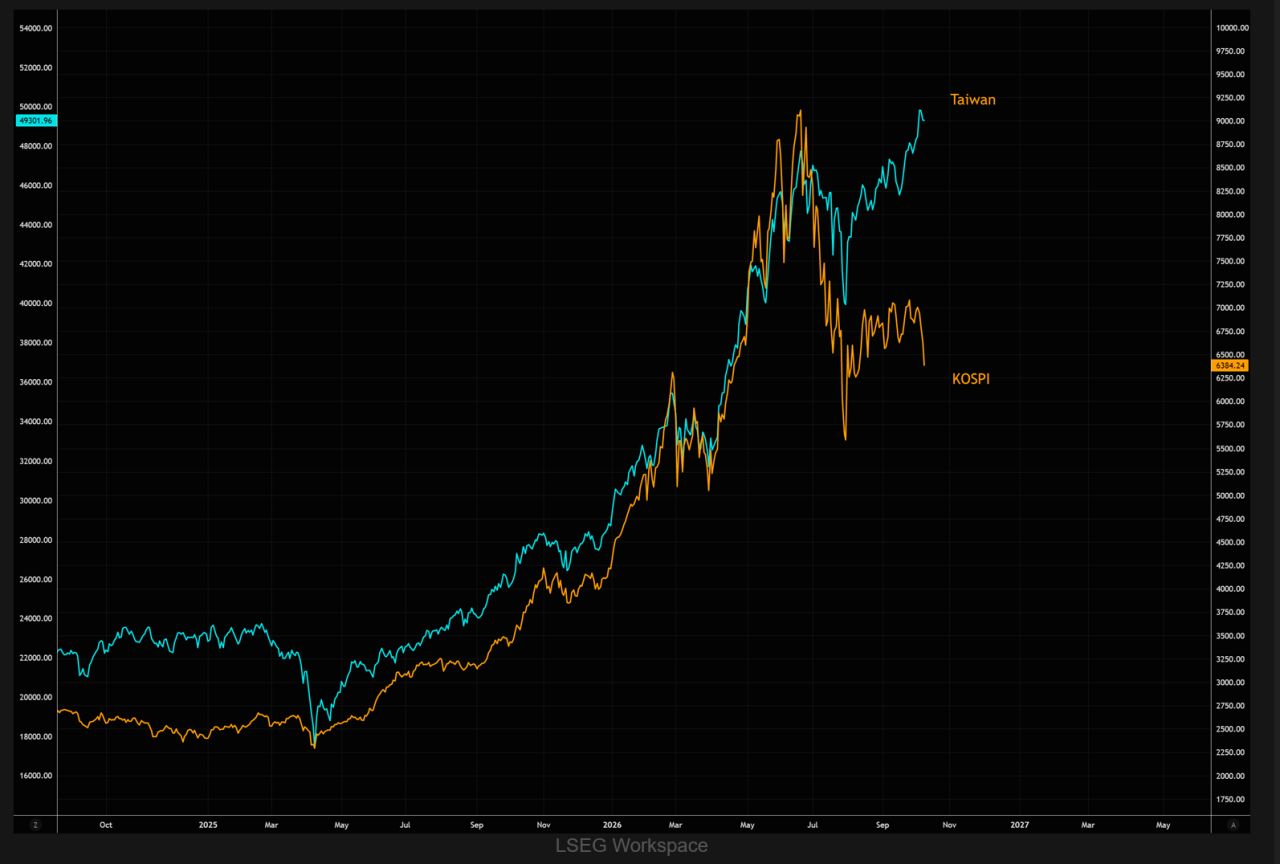
BLACKROCK JUST CUT US STOCKS TO NEUTRAL AND TURNED BULLISH ON TREASURIES
The shift comes from a note by the BlackRock Investment Institute and CIO Rick Rieder. - Short-term Treasuries: up to overweight - Long-term Treasuries: up to neutral from underweight - US stocks: down to neutral from a long-held overweight BlackRock says it is still bullish on AI and calls the stock cut short-term risk management: "We are managing near-term risk, not changing our core convictions." Source. Evan
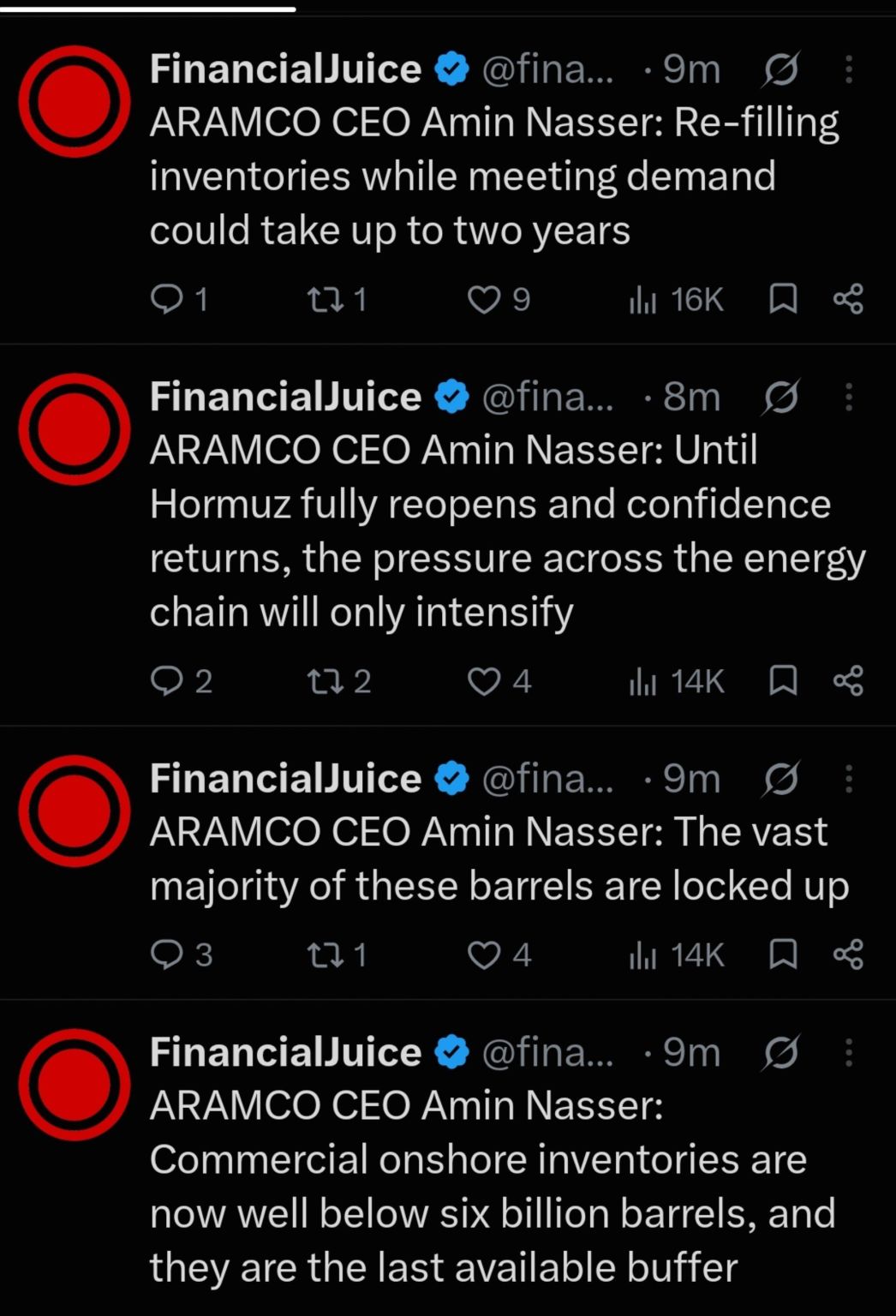
Aramco CEO on the oil situation
Source: Tracy Shuchart (𝒞𝒽𝒾 )
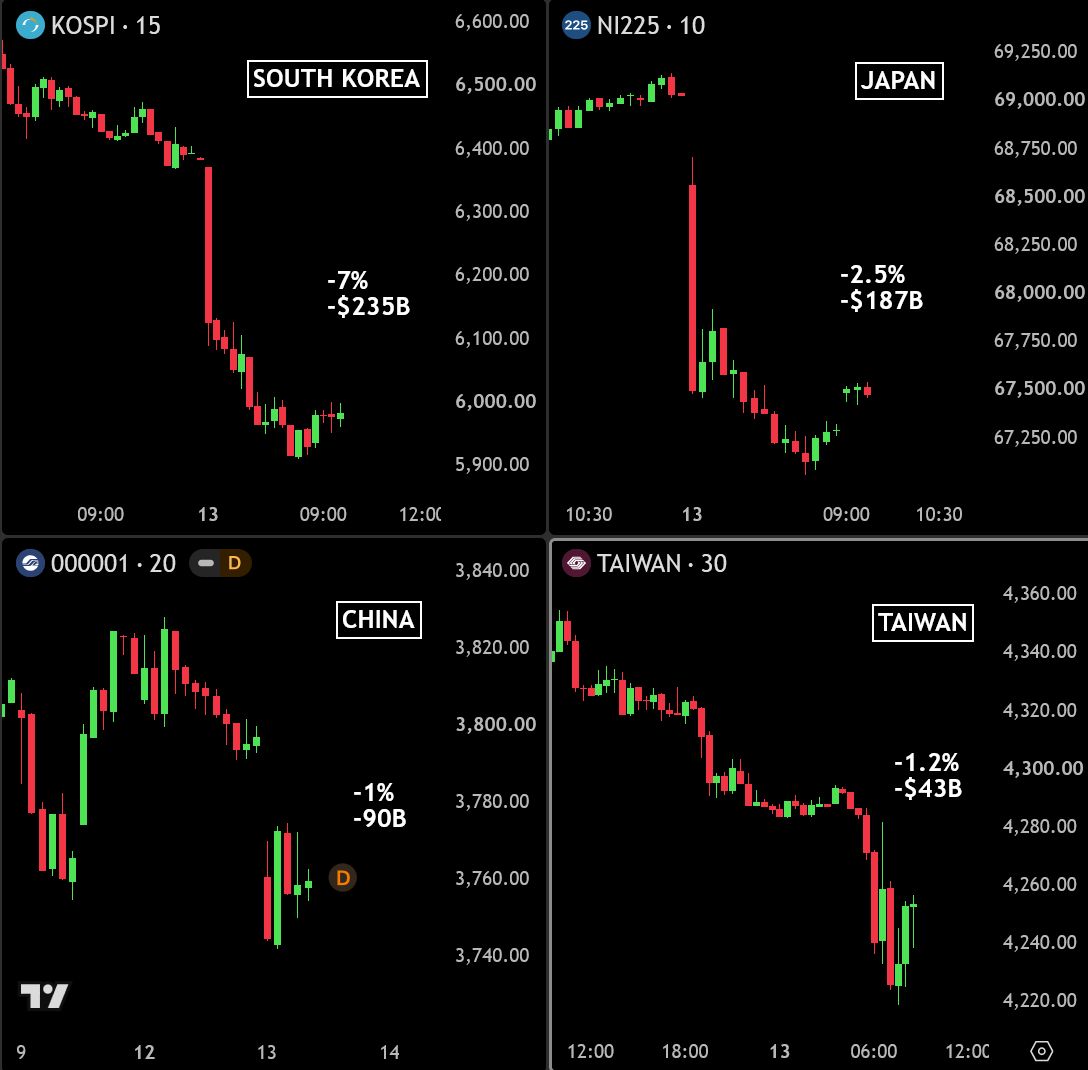
BLOODBATH in Asian Markets
Almost $600 BILLION wiped out from Asian stock markets amid a massive sell-off in semiconductor and technology stocks. Here's why Asian markets are falling: 1. A tech sell-off on US markets triggers a broader decline across Asia after the US semiconductor index fell -2.7%. 2. Chinese chipmaker CXMT's progress in developing a new memory architecture raises fears of increased competition for global memory chipmakers. 3. Broadcom CEO Hock Tan warns AI investing has become like a casino, fueling fears that the AI rally has gone too far. 4. Investors are questioning whether massive AI spending can deliver sustainable profits as rising bond yields add pressure to tech valuations. Source: Bull Theory
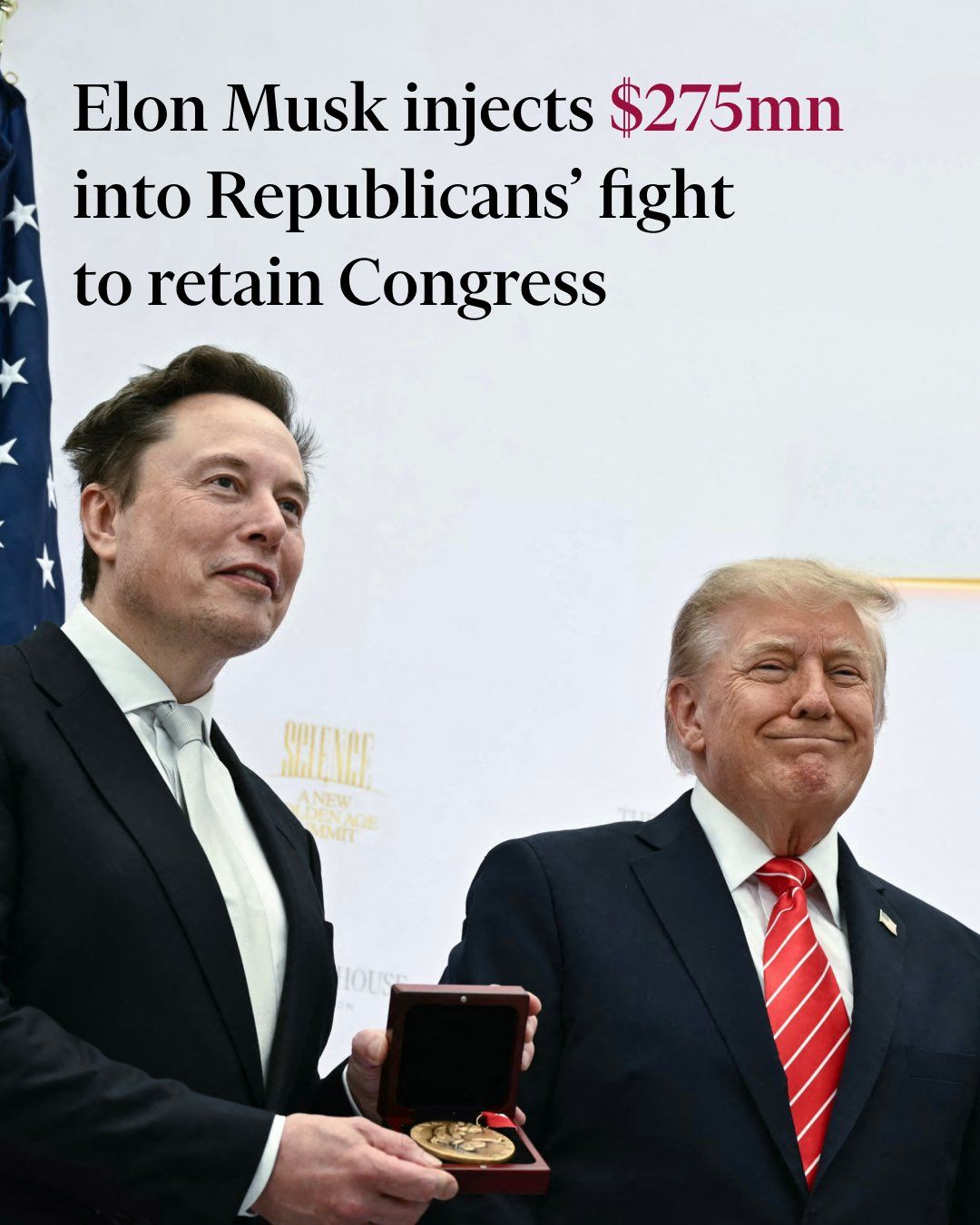
The world's richest man, who spent almost $300mn helping Donald Trump get re-elected in 2024, made these donations during the past few months
Source. FT
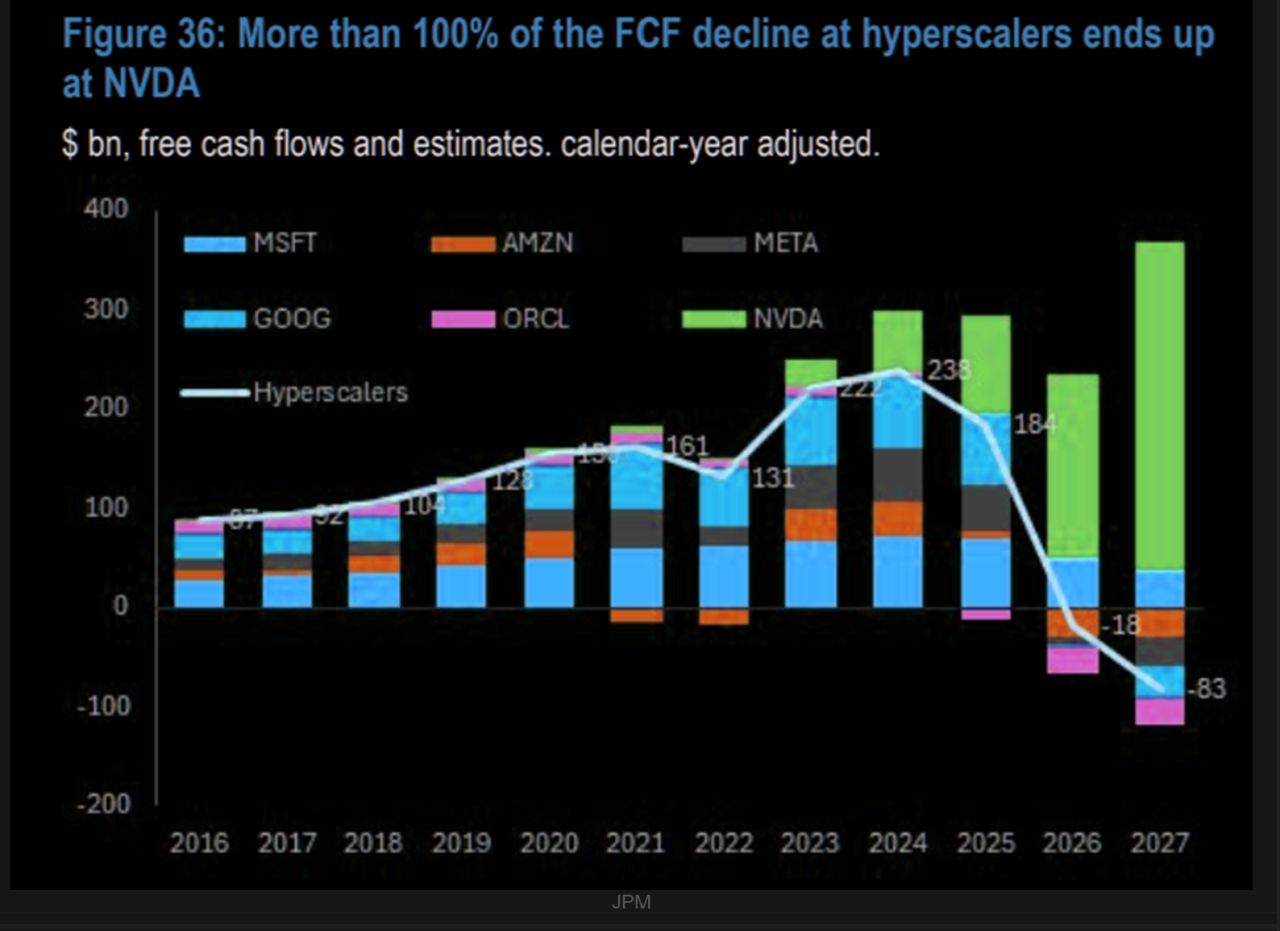
The AI cash flow paradox: Nvidia gets paid today. Hyperscalers bet on tomorrow.
The AI boom is redistributing cash flow on an extraordinary scale. According to JPMorgan, Nvidia’s projected cash flow gains exceed the entire expected decline in hyperscaler free cash flow. Think about that. The tech giants funding the AI infrastructure build-out are seeing their free cash flow squeezed. Their chip supplier is capturing extraordinary profits. Same boom. Very different economics. For Nvidia, the sale generates cash now. For hyperscalers, the spending comes first. The returns depend on future demand, monetisation and utilisation. JPMorgan still sees attractive returns on certain data-centre investments. But attractive returns and immediate cash flow are two different things. The timing gap matters. And it raises a crucial question for investors: Who captures the cash—and who carries the risk? The biggest winners from the AI boom may be the suppliers getting paid upfront, while their customers wait for the payoff. Source: TME, JP Morgan
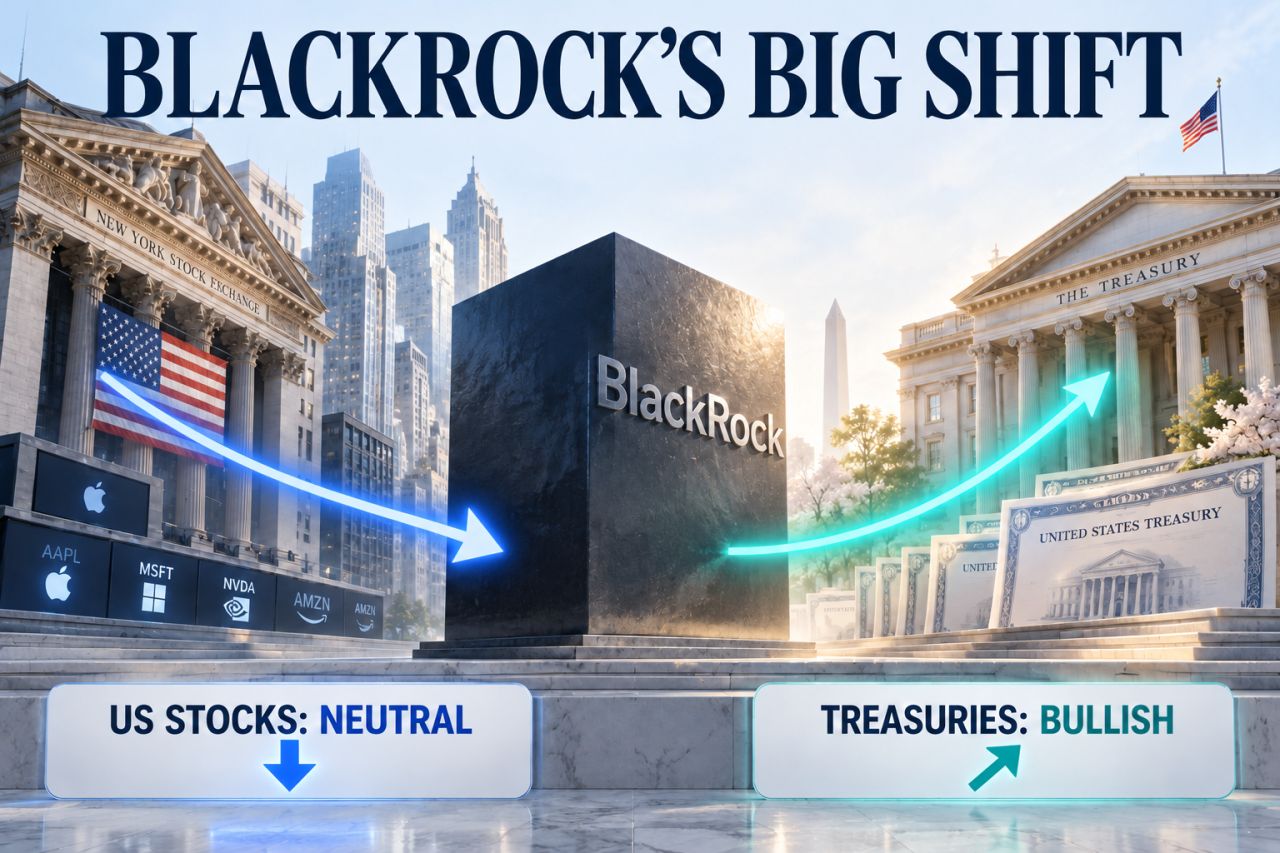
OIL PIPELINES & GEOPOLITICS.
Saudi Arabia has announced plans to expand its East–West pipeline, a critical route that bypasses the Strait of Hormuz. Its nominal capacity is 7 million barrels per day, although it is probably operating closer to 6 million after a September attack destroyed a pumping station. The immediate fix? Convert an existing natural gas pipeline to carry crude. Within 7–8 weeks, Saudi Aramco could add 1.2 million barrels per day of capacity. But the relief would be temporary: the line must return to gas service by May to supply power stations during the summer. Saudi officials have not identified the pipeline. One possibility is the old IPSA line: a 48-inch, roughly 1,500-kilometre pipeline built in the 1980s that runs largely parallel to the East–West route towards Yanbu. Saudi Arabia seized it after Iraq invaded Kuwait in 1990 and later incorporated it into its Master Gas System. That identification remains a hypothesis. The longer-term ambition is bigger: raise East–West capacity to around 10 million barrels per day within 2–3 years, mainly by upgrading pumping capacity. The strategic message is clear: Riyadh wants more of its oil exports to reach global markets without passing through Hormuz. Source: Javier Blas