
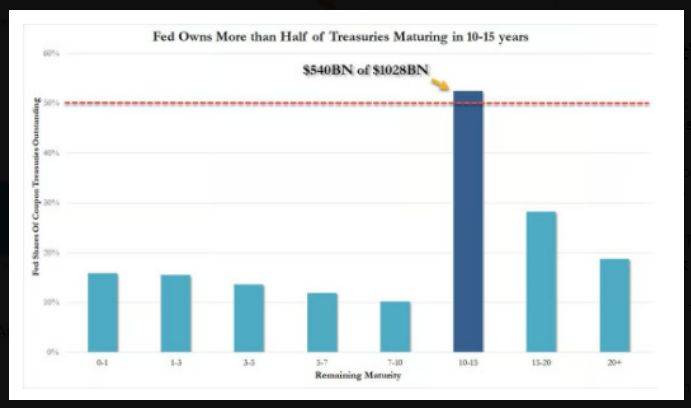
Federal Reserve now owns more than half of all U.S. Treasuries maturing within the next 10-15 years
Source: Barchart
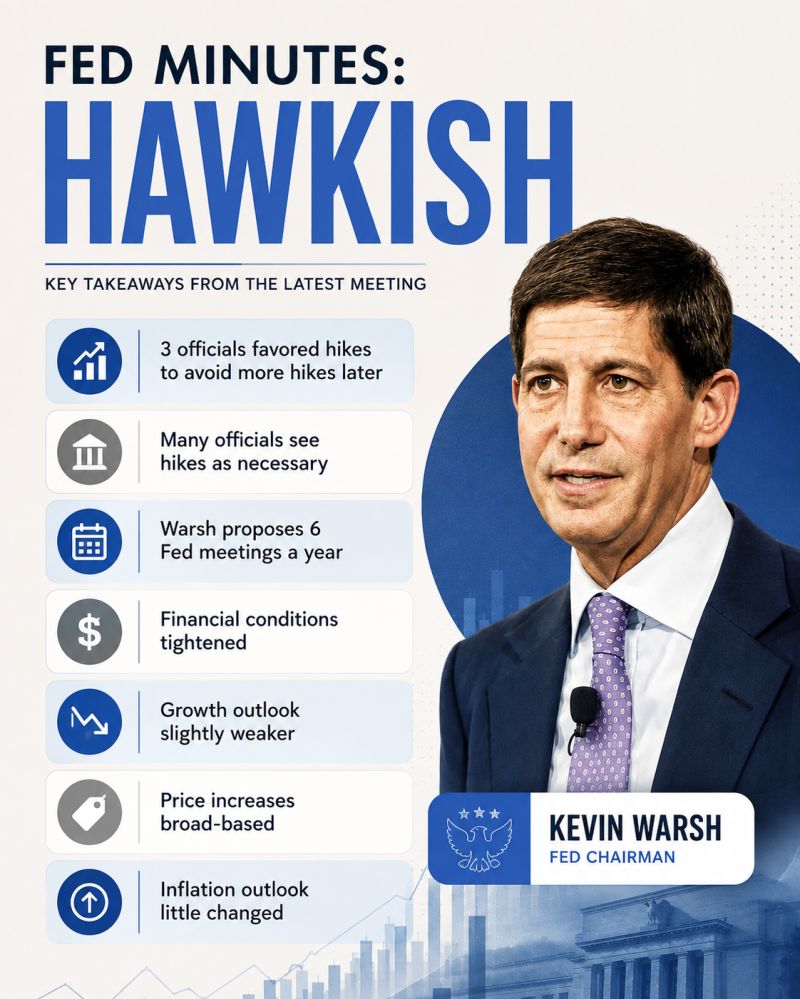
Yesterday, the Federal Reserve has released the minutes from its July FOMC meeting.
Several officials favored a rate hike, while many said further tightening may be needed if inflation does not decline.
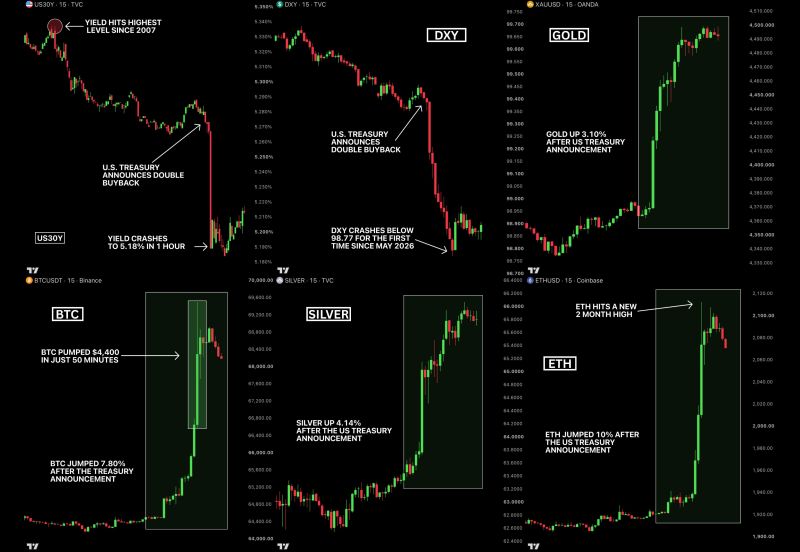
One Treasury announcement. A violent move across bonds, gold, silver and crypto.
The US Treasury announced it will at least double buybacks of long-dated Treasuries, from $2bn to $4bn per operation. Markets reacted immediately: 📉 30Y Treasury yield: 5.34% → 5.18% 🥇 Gold: +3.1% 🥈 Silver: +4.1% ₿ Bitcoin: +7.8% Ξ Ethereum: +10% 💵 Dollar: -0.7% Why does it matter? The US already spends roughly $1.4 trillion annually on interest, while trillions of low-cost debt must be refinanced at much higher rates. And this isn't just an American problem: long-term government yields are surging globally. The biggest wildcard may be Japan. As Japanese yields rise, domestic investors have less incentive to finance US and European governments. 👉 The bond market is increasingly becoming the key macro risk—and falling yields remain rocket fuel for gold and crypto. Source: Bull Theory
Is the US quietly moving toward QE and Yield Curve Control—without calling it either?
Here’s the mechanism: 1️⃣ The Treasury issues more short-term T-bills. 2️⃣ The Fed buys bills, injecting liquidity into the system. 3️⃣ The Treasury uses its cash and buyback program to retire longer-dated Treasuries. The result? 👉 More demand at the long end. 👉 Less duration risk in the market. 👉 Potential downward pressure on long-term yields. Technically, this isn't traditional QE because the Fed isn't directly buying 10Y or 30Y Treasuries. But economically, the distinction could become increasingly blurred. With US interest costs exploding and long-term yields above 5%, policymakers have a powerful incentive to prevent the long end from spiraling higher. Call it buybacks. Call it liquidity management. Call it maturity transformation. But if the objective increasingly becomes controlling long-term borrowing costs… We may eventually get Yield Curve Control—just with a different name tag Source: Lukas Ekwueme @ekwufinance Hoisington Investment Management
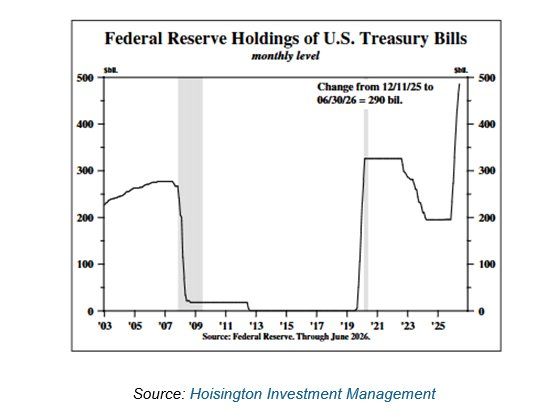
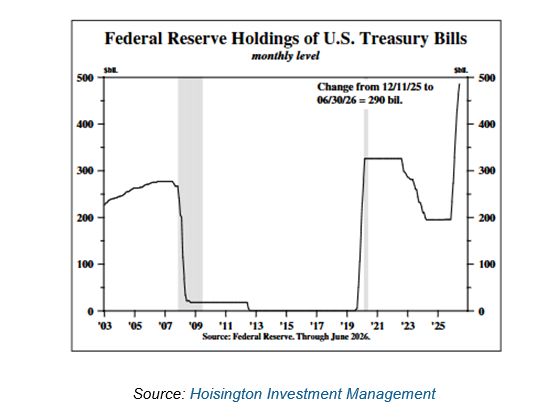
The Fed is buying US Treasury bills (i.e short dated US government bonds) at a faster pace than during Covid.
- Covid: ~$320B - Last 7 months: ~$290B In just 7 months, the Fed has already bought almost as many Treasury bills as it did during Covid. In other words, the Fed is printing money to buy UST bills, thereby suppressing yields... How long until they will implement YCC? Source: Lukas Ekwueme
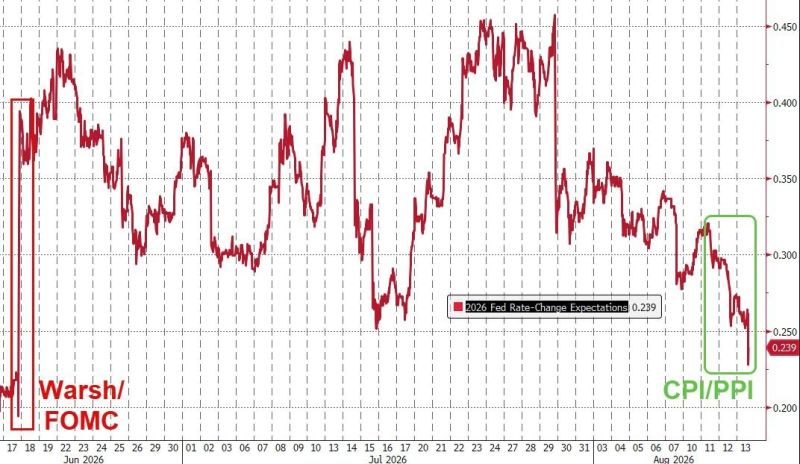
On the back of the cooler than expected PPI this morning (which followed the cool CPI), rate-hike expectations (for 2026) tumbled further yesterday to their lowest since Warsh's first FOMC meeting...
Source: zerohedge
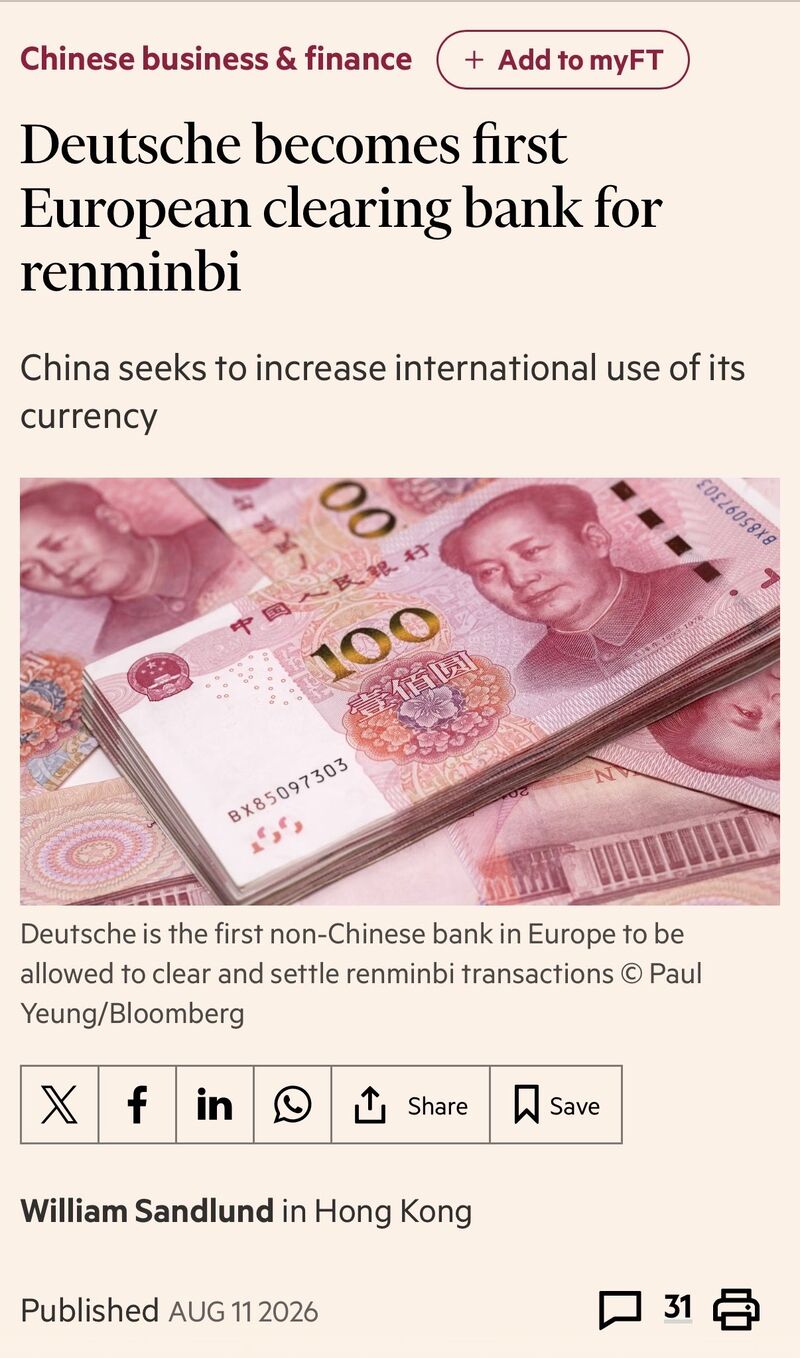
Bessent’s selling of EUR to buy JPY, and US threats to weaponize USD stablecoins against the EU may be triggering some unforeseen blowback.
Source: FT, Luke Gromen
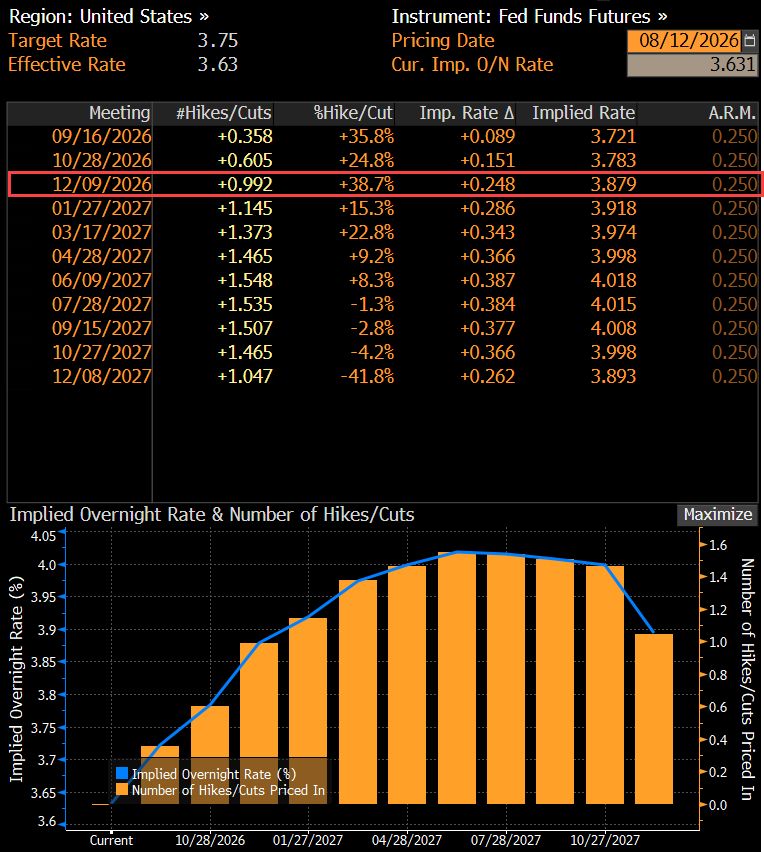
The futures market is now pricing just under one Fed rate hike by year-end
Source: Hedgeye, Bloomberg