
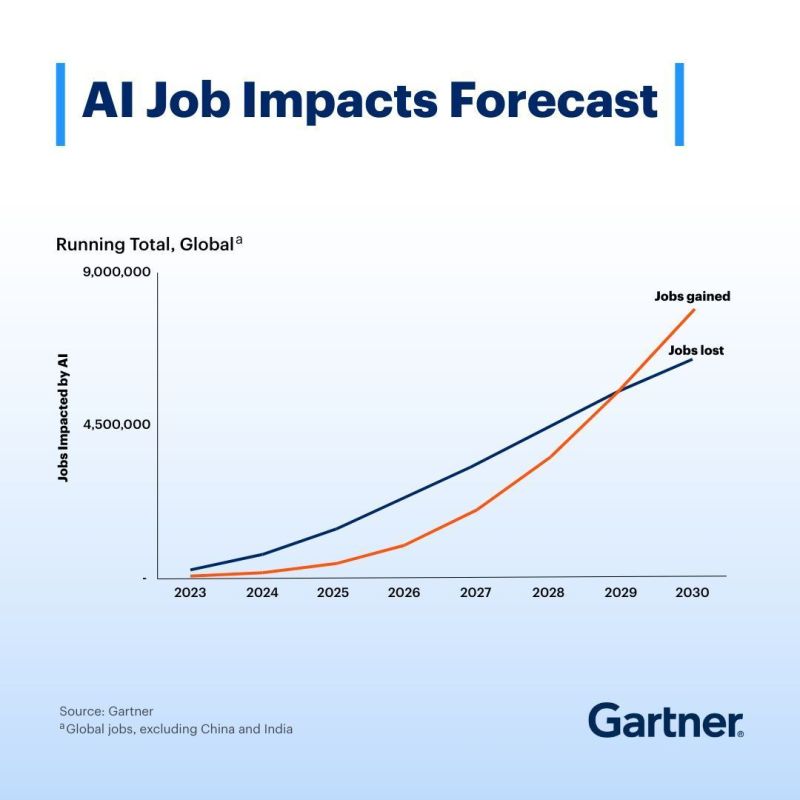
Gartner: There will be no “jobs apocalypse” due to AI — but there will be job chaos.
Our 2025 AI Job Impacts Analysis found that starting in 2028-2029, AI will create more jobs than it eliminates. Yet, each year, over 32 million jobs will be significantly transformed.
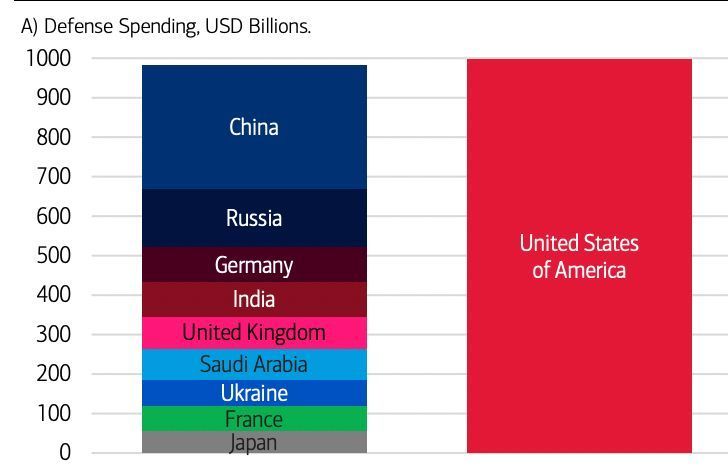
The US spends more on defence than the next nine countries COMBINED
Source: Cheddar Flow
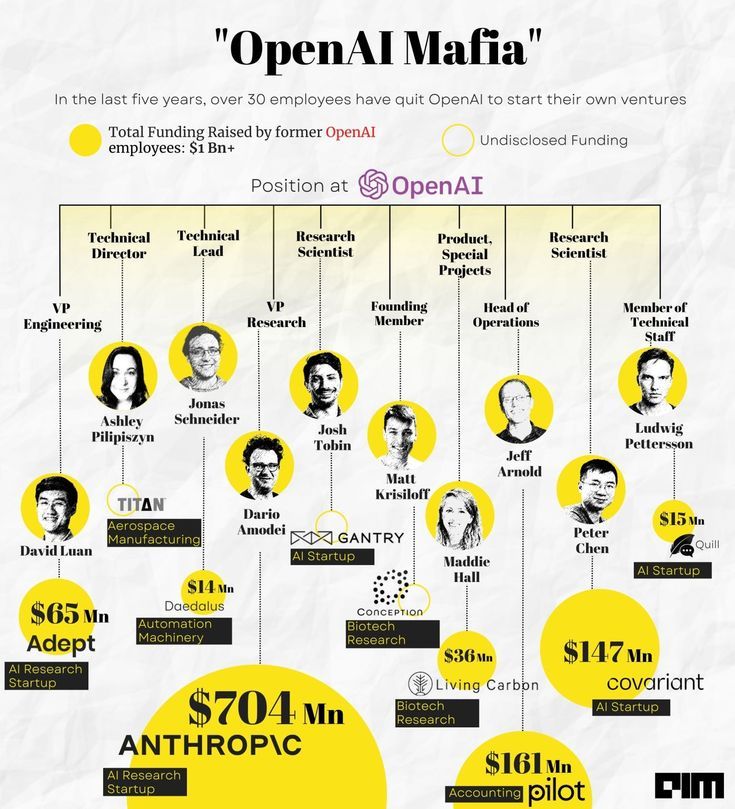
Open AI Mafia
In the last 5 years, over 30 employees have quit OpenAI to start their own ventures Source: The Market Mind
China Dominates the Humanoid Robot Market
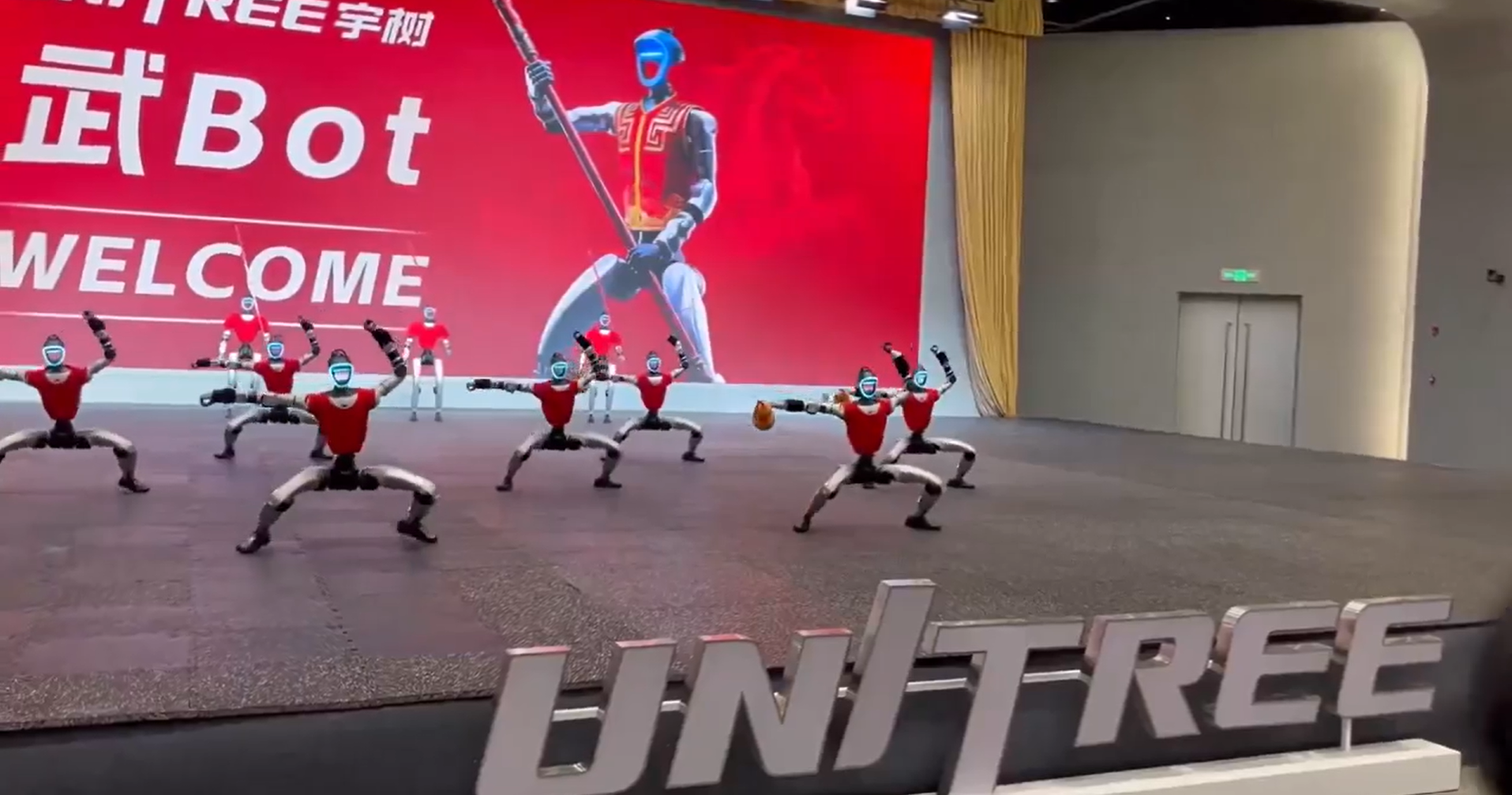
China’s Unitree Robotics stunned 1 billion viewers with fully autonomous kung-fu humanoid robots, available today for $16,000. Germany’s Chancellor visited Hangzhou, signaling the West is noticing. Unitree leads globally with 90% of shipments, 330+ models, and 140+ manufacturers, while Tesla’s Optimus remains in R&D and unavailable commercially. State support, aggressive pricing, and mass deployment mirror China’s EV strategy. The physical intelligence revolution is live in China, leaving Silicon Valley behind unless Tesla captures significant market share by 2027. Source: Shanaka Anslem Perera @shanaka86
Norway’s $2.2T Oil Fund Uses AI to Monitor ESG Risks
Norges Bank Investment Management is now using AI to screen all 7,200+ portfolio companies for ethical and reputational risks. Anthropic’s Claude generates daily ESG reports, flags issues like forced labor or corruption, and allows early exits before markets react. This system is especially valuable for small or emerging-market companies. With sustainability and governance tied to financial performance, AI gives NBIM a competitive edge in capital allocation, showing that the future of investing combines returns with responsibility and speed. Source: CNBC

Jack Dorsey’s AI-Driven Workforce Revolution
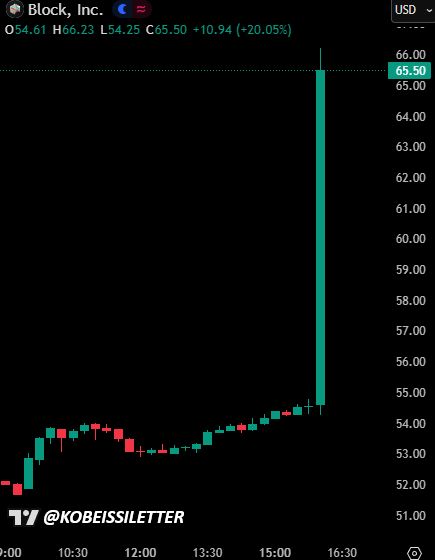
Jack Dorsey’s Block Inc cut over 4,000 jobs, more than 40% of its workforce, as part of an AI-driven restructuring while reporting strong Q4 and full-year 2025 results. Revenue and profits are growing, EPS beat expectations, and AI tools have boosted productivity by 40%, making roles redundant. Wall Street rewarded the move with a 22% stock gain. This sets a new precedent for corporate America, showing that AI adoption can reshape incentives and workforce strategies faster than ever. Source: StockMarket.news
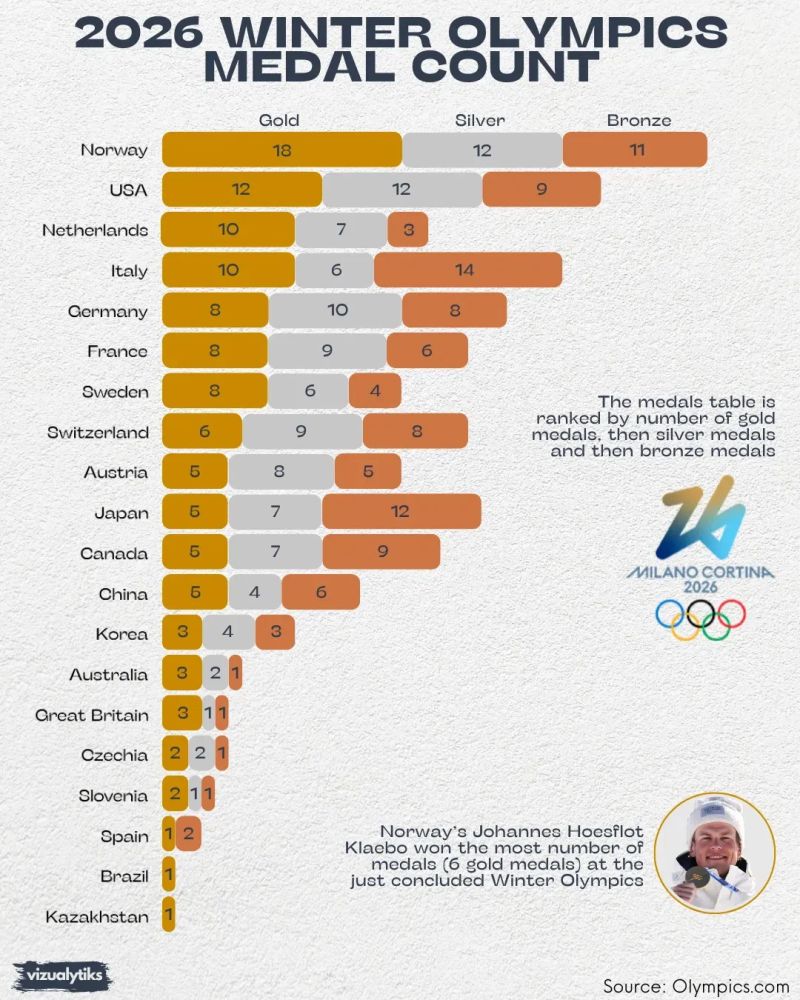
2026 Winter Olympics medal count by Voronoi
Great to see switzerland ranked #8 !
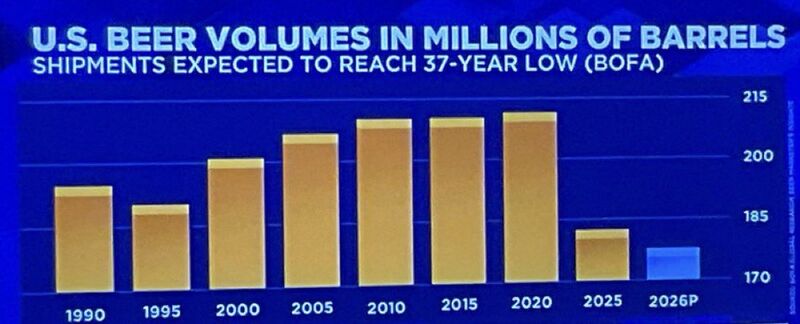
BREAKING Beer
Beer Shipments on track for worst year since the 1980s Source: Barchart @Barchart