
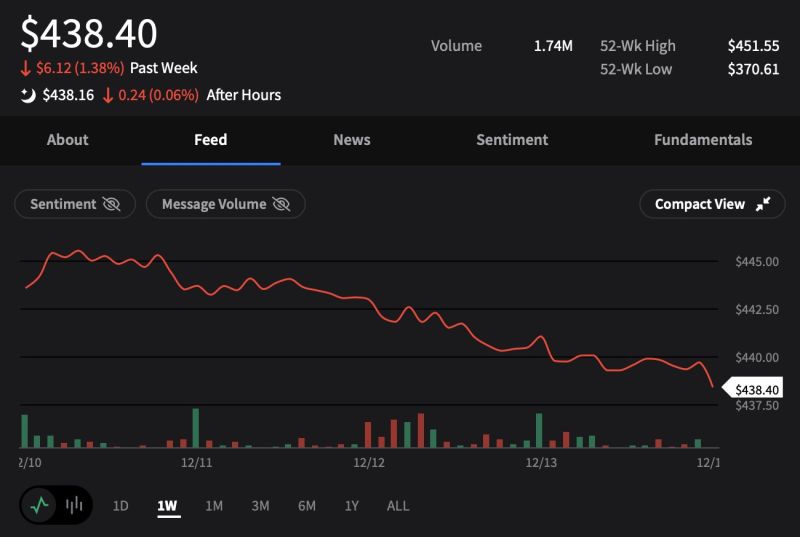
BREAKING >>> The Dow Jones just hit an 8-day losing streak
The longest since 2018 $DIA
To put things into perspective:
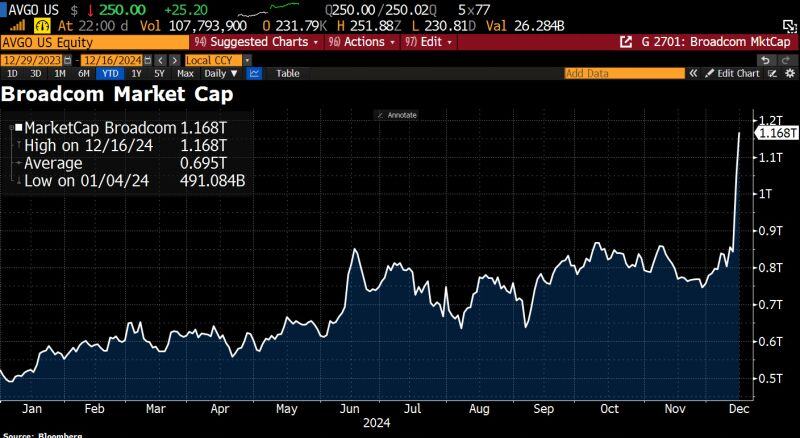
Chip specialist Broadcom has added $324bn to its market value in just 2 days—exceeding the entire market value of Germany's largest company, SAP, which is worth $310bn. Source: HolgerZ, Bloomberg
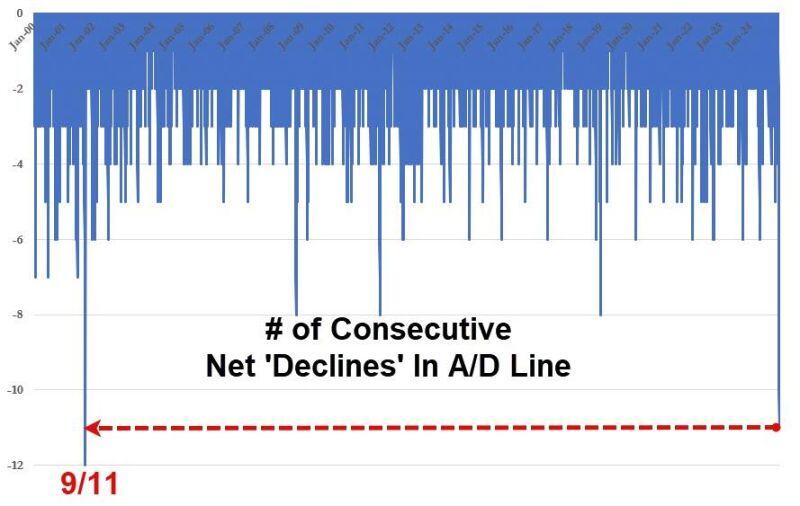
This is crazy: 11 consecutive days of more decliners than advancers in the S&P500.
First time since Sept 11, 2001 Source: zerohedge
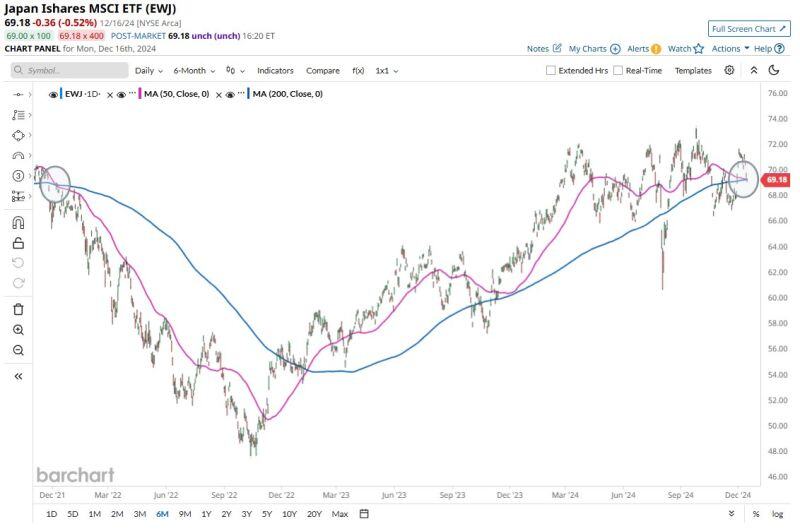
BREAKING 🚨: Japan
Japanese Stocks $EWJ formed a Death Cross for the first time since December 2021 ☠️ The last one saw stocks enter a bear market with a plunge of more than 30%. Source: Barchart
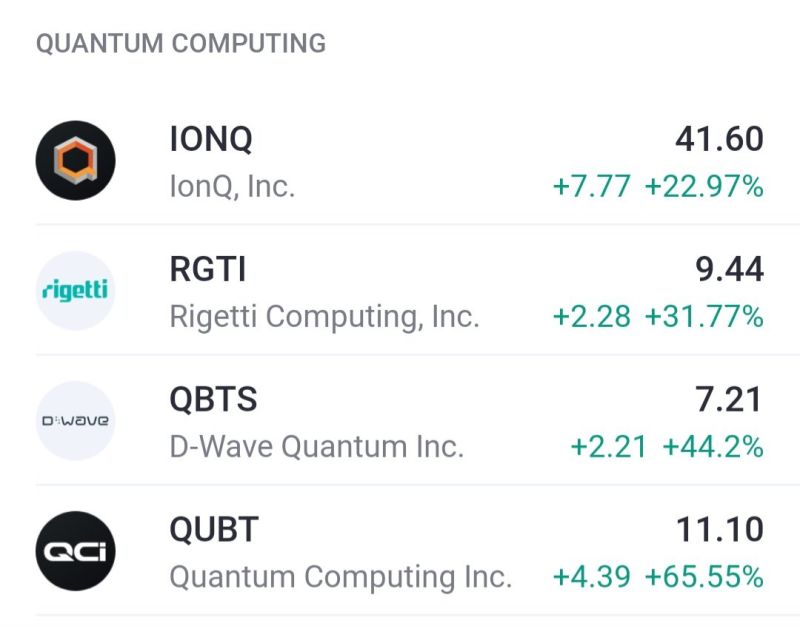
WEB 3.0 QUANTUM COMPUTING COMPANIES (4) are together less than 15B marketcap.
NB: These are not investment recommendations.
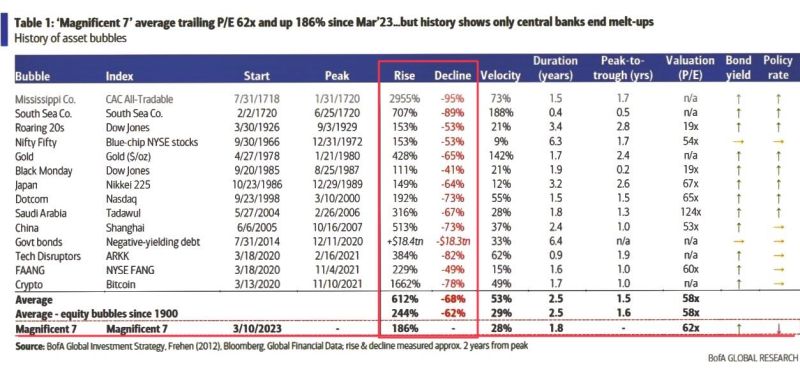
Historical asset bubble summary from BofA, including the current Mag7 frothiness.
”History shows only central banks end melt-ups”… Source: BofA, Wasteland Capital
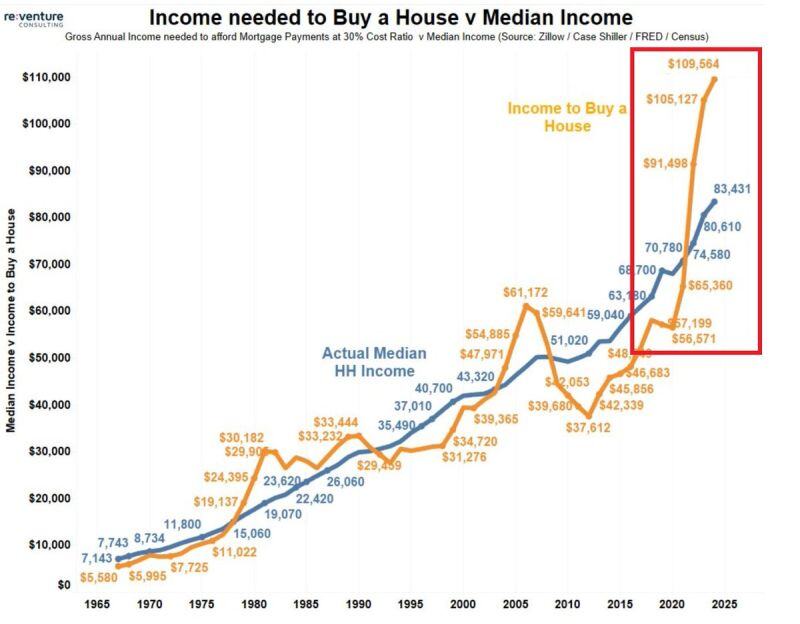
THE ISSUE WITH US HOUSING AFFORDABILITY IN ONE CHART...
Annual income needed to buy a house in the US hit a whopping $109,564, an all-time high. This has DOUBLED in just 4 years... At the same time, median income earned is just $83,431. The difference between the two has NEVER been greater. Source: Global Markets Investor
Apollo made a HUGE call on Sunday:
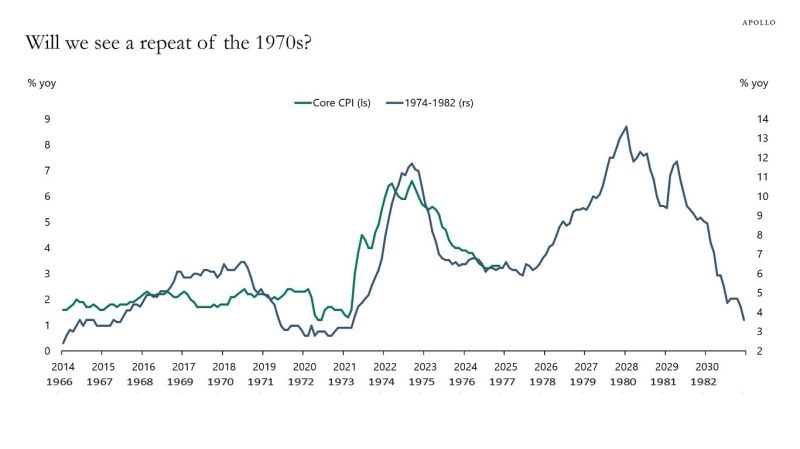
For the first time since the "Fed pivot" began, Apollo has officially declared inflation back on the rise. They warn of a potential repeat the 1970s as the Fed cuts rates into rising inflation. Apollo says the probability of the Fed RAISING interest rates in 2025 is now rising. Here's why: 👉 First, measures of inflation stickiness are all now well above the Fed's 2% target. In fact, the Atlanta Fed Core Sticky CPI index has leveled off near 4%. ALL major measures of CPI stickiness are now above 3%. 👉 Meanwhile, core CPI has levelled off at 3.3% fore multiple months in a row. This was "fine" because headline CPI was moving in a straight-line to 2% all year. However, as of the latest CPI inflation data, it's now RISING and back to 2.7%. Source: The Kobeissi Letter, Apollo