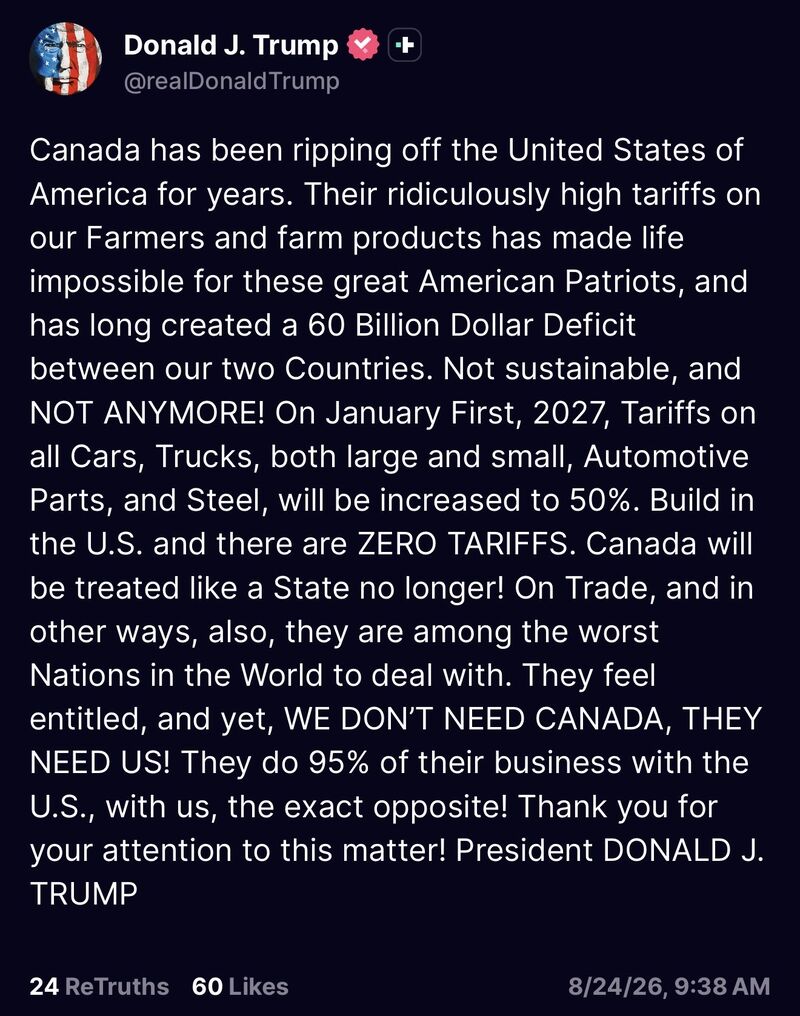

The U.S. and Iran have reportedly reached a ceasefire agreement, according to a Russian news source.
They cite Pakistani and Iranian sources, saying the deal will be announced in the coming days. U.S. oil prices fell on the news. Neither the U.S. nor Iran have confirmed. Source: Trend Spider
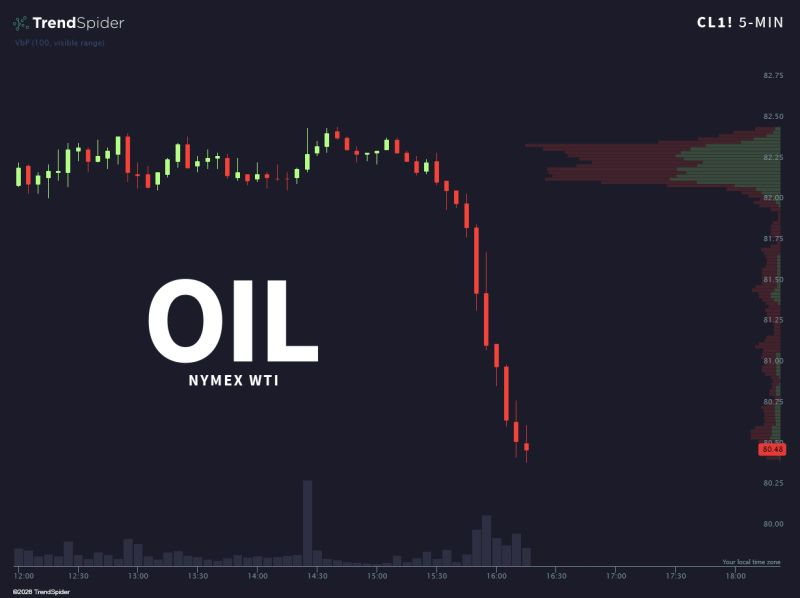
AI, Infrastructure, Defense, Space, and Nuclear are now the top 5 ETF themes of 2026
Source: Hedgeye
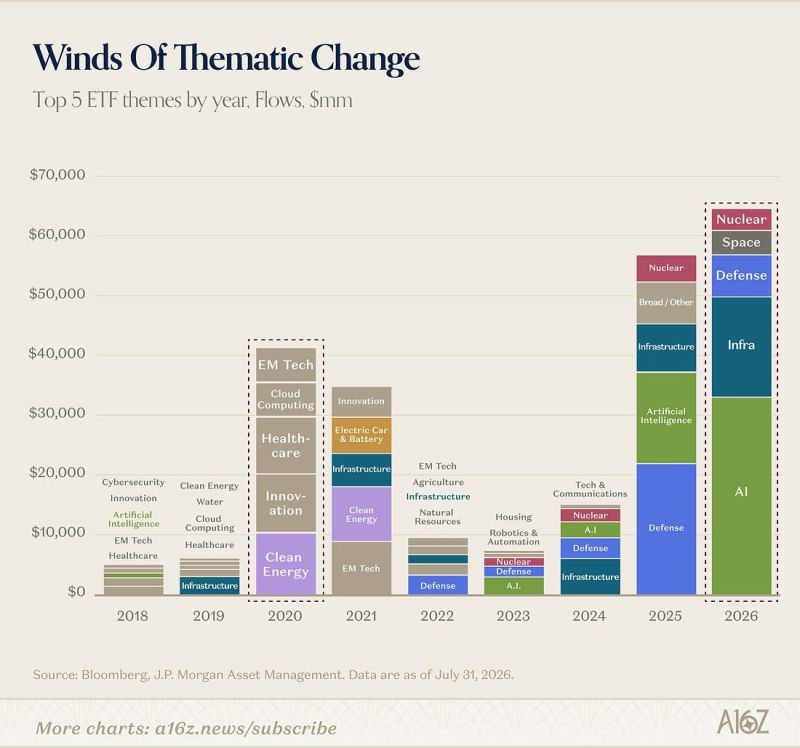
Strategy's preferred stock $STRC is now up 36% from its $71 bottom and just 2.65% away from its $100 peg.
But Strategy hasn't bought a single Bitcoin since June 22, over 9 weeks now, its longest pause in years. Instead of buying BTC, the company raised $2 billion last week alone by selling MSTR shares, using it to repurchase STRC shares, build up its dividend reserve, and launch a new $1.59 billion cash pool. Strategy's total cash across both reserves now stands at $6.69 billion. Source: Bull Theory
The US plans to restore diplomatic personnel to embassies across the Middle East after withdrawing staff due to the war on Iran, Reuters reports.
US missions in Israel, Jordan and Oman are expected to return to full staffing. This news came in as: 1. Russian media is reporting, citing Pakistani sources, that the U.S. and Iran may be close to agreeing on a ceasefire. 2. According to Iran’s Foreign Minister, Iran and Oman have discussed an interim framework to reopen the Strait of Hormuz. Source: Al Jazeera English

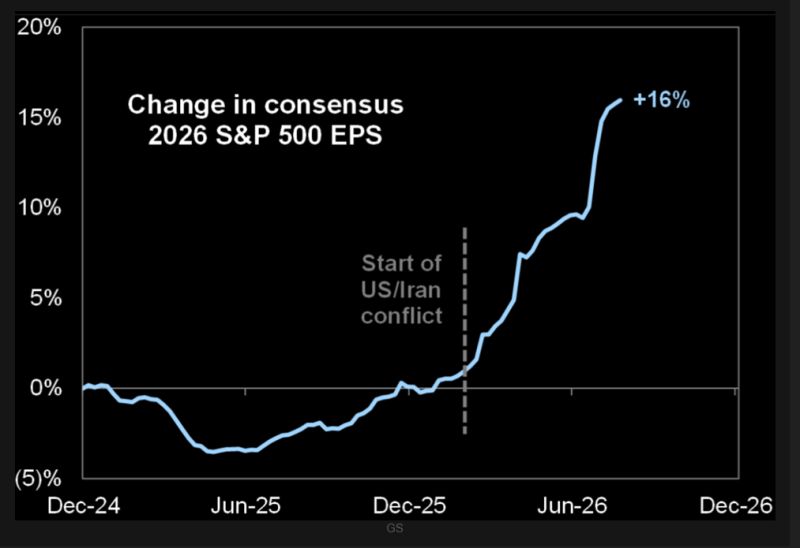
This has been a major market driver so far this year. Can it last?
Source: GS, TME
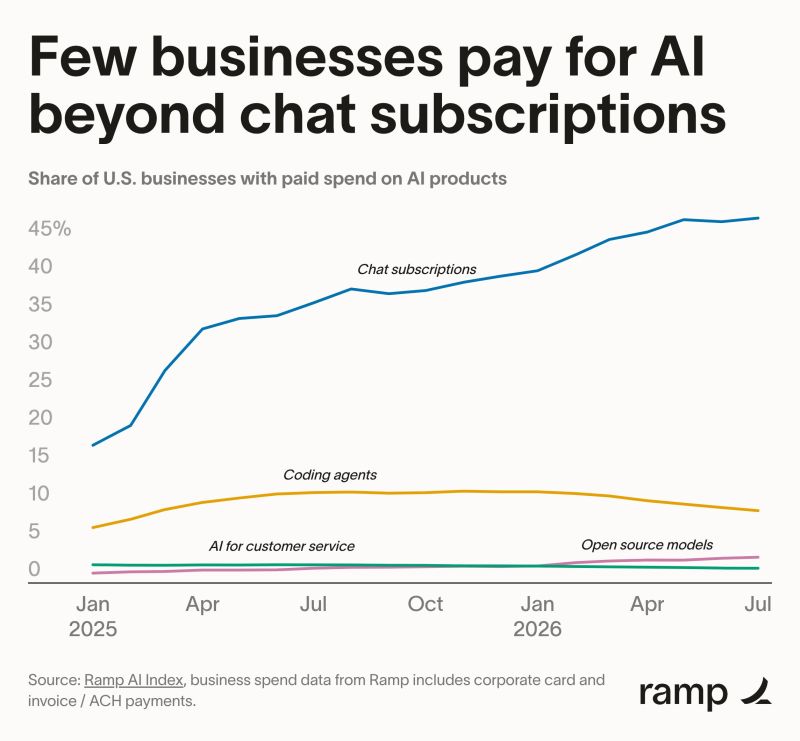
WE ARE EXPECTING AI PRODUCTIVITY GAINS FROM TECHNOLOGY MOST BUSINESSES AREN’T USING YET.
This chart can be read in two ways: AI companies have not yet built products that most businesses genuinely need. We are still at the very beginning of a massive new product category. Both are probably true. Today’s most commercially mature AI tools are coding agents. They can deliver real productivity gains—but mainly for developers and other technology-focused roles. The equivalent tools for finance, law, consulting, operations and administration are only starting to emerge. Cowork and Codex offer a glimpse of what is coming, but remain heavily oriented toward coding. So perhaps AI’s limited impact on productivity is not evidence that the technology has failed. It may simply reflect a more basic reality: We are trying to measure the economic impact of tools that most companies have not adopted yet. Source: Ramp, Ara Kharazian
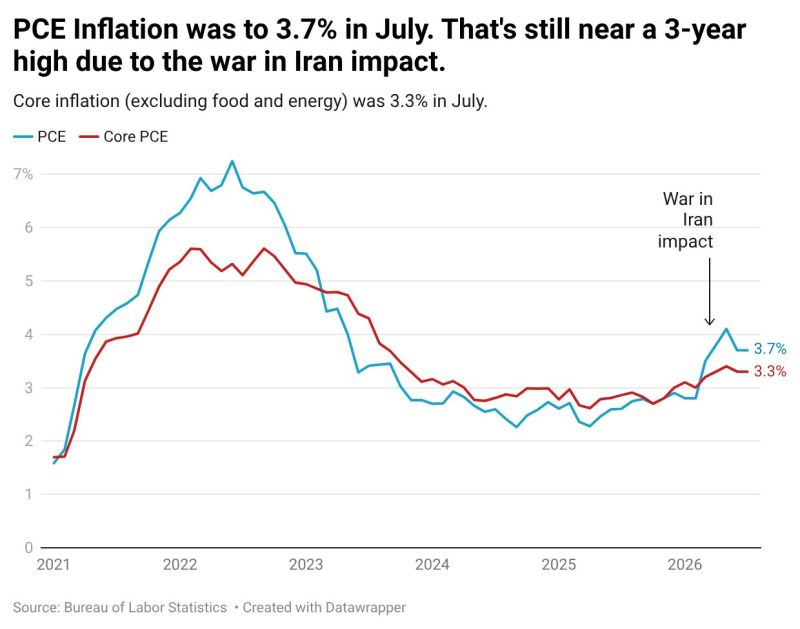
Inflation for July was 3.7%. That's slightly worse than expected (and still close to a three-year high).
The monthly increase was +0.2% (vs. 0.1% expected). CORE PCE (which excludes food and energy) LANDS RIGHT IN LINE — 3.3% vs 3.3% EXPECTED The monthly increase was +0.2% (as expected). → GDP Q2 (second estimate): 1.5%, unchanged from the advance print Bottom-line: No surprise here. No new signal. This is the Fed's preferred inflation gauge, more important than CPI for the rate decision, and it just confirmed the status quo (although probability of rate hike in September is slightly higher). The war in Iran impact is still in effect. Inflation didn't get any better in July, according to PCE. But the hold case for September stays exactly where it was, with no new argument for either side of the debate. GDP staying flat at 1.5% confirms growth is still weak, well below the 2.1% pace from Q1. Watch what happens next: → Stocks likely stay range-bound, no major catalyst either way → Bonds hold steady, yields shouldn't move much off this alone → Gold probably stay flat too, waiting for the next real catalyst → All eyes shift to Jackson Hole for the actual signal Source: Heather Long,
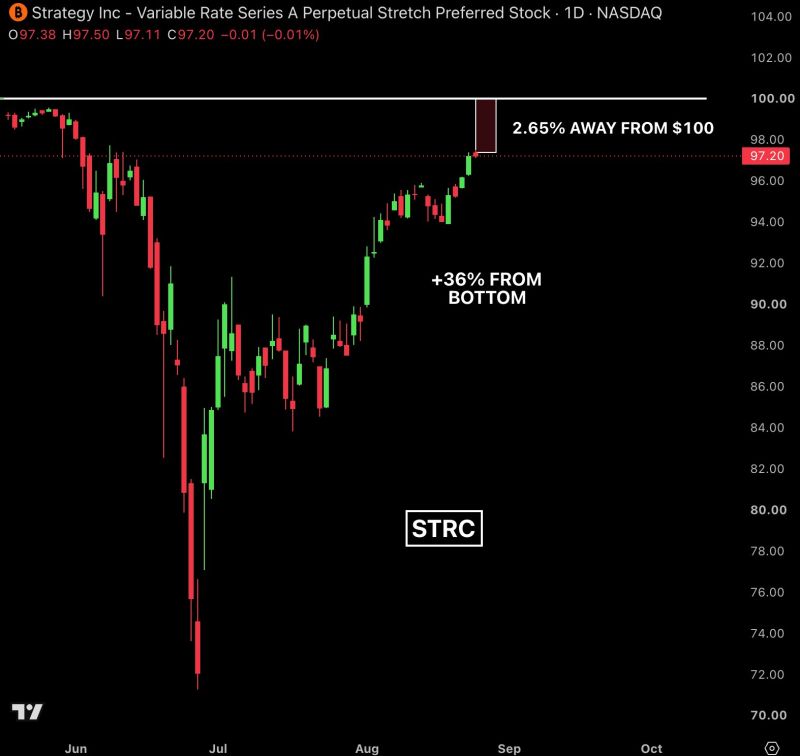
President Trump says tariffs on Canada will be increased to 50% on “all cars, trucks, both large and small, automotive parts, and steel” on January 1st 2027
“Canada will be treated like a state no longer” Source: TrendSpider