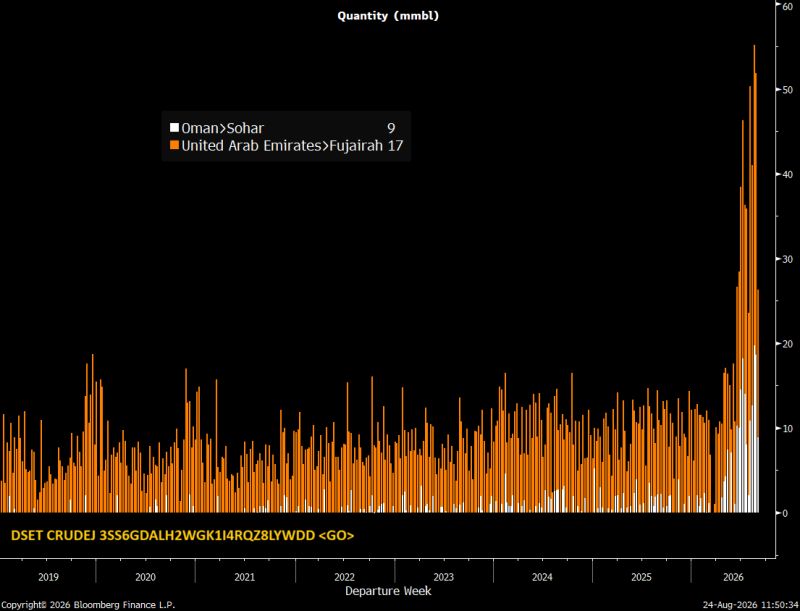
The U.S. Treasury may have found a new weapon for the bond market: its nearly $1 TRILLION cash pile.
Treasury is considering using its TGA — effectively the government’s bank account at the Fed — to fund long-term bond buybacks. The mechanics are powerful: Buy long-duration Treasuries → TGA falls → cash enters the banking system → liquidity rises → long-end supply falls. Treasury could therefore support bonds today, then issue T-bills later to rebuild its cash balance. This is not QE: the Fed isn’t printing new money. But the timing matters. Effectively, Treasury can temporarily transform: Long-duration debt → short-duration debt That could suppress long-end pressure while injecting liquidity into markets. But it doesn’t solve America’s debt problem. It postpones it, shortens it — and potentially takes the U.S. another step toward fiscal dominance and financial repression. Source: Macro Liquidity by Sunil Reddy
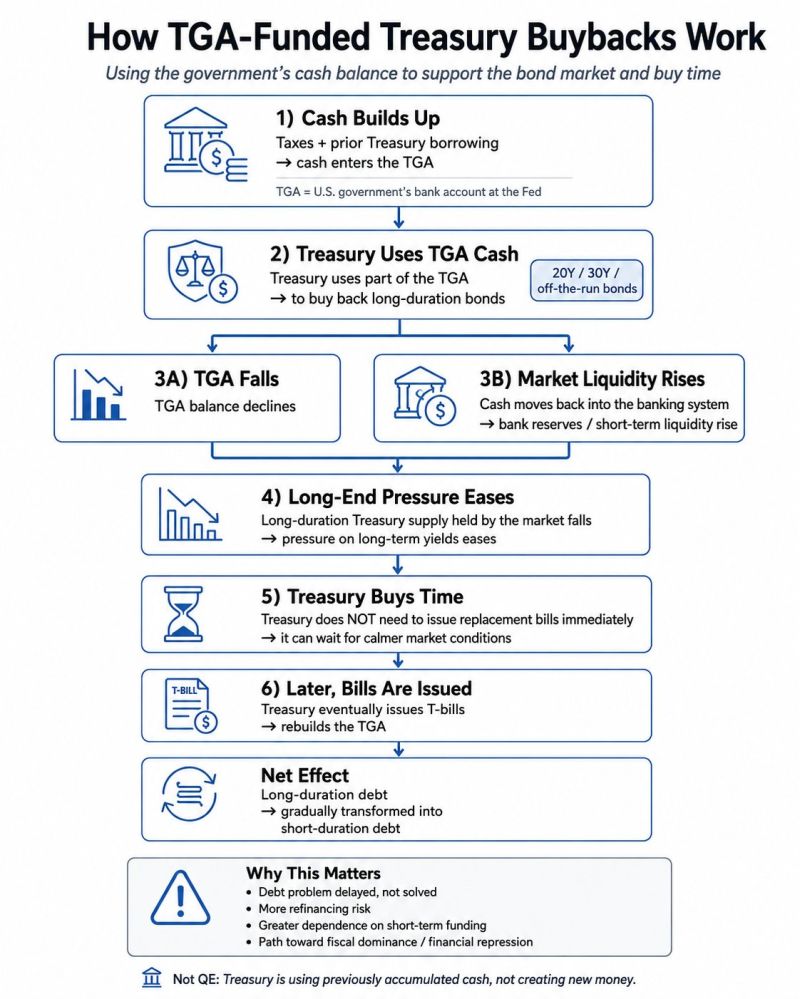
Foreign demand for USTs is at its lowest level in over a decade.
Is this why Bessent has to step in and offset some of that lost demand through Treasury QE ??? Source: Bloomberg, Lukas Ekwueme
The SEC has launched an investigation into the trading of Leopold Aschenbrenner's Situational Awareness fund, per NYT.
The SEC sent subpoenas to multiple banks who gave Situational Awareness money to trade with, asking for details about the timing of trades and how Situational Awareness communicated with lenders. Source: Trend Spider

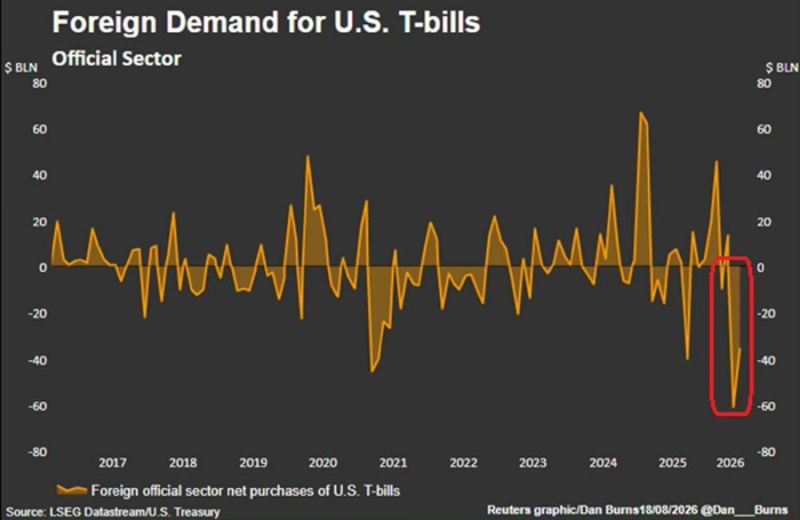
The Fed owns more than HALF of Treasuries maturing in 10–15 years.
Of the roughly $1.03 trillion outstanding in this maturity bucket, the Federal Reserve holds around $540 billion. Why? Much of it is the legacy of QE after 2008 and especially COVID, when the Fed bought trillions of dollars of long-duration Treasuries. Those bonds have now rolled down the curve. And the bigger picture is striking: 👉 The Fed still owns roughly $1.6 trillion of Treasuries with 10+ years to maturity. That means a massive amount of duration remains outside private investors’ hands. But as the Fed’s portfolio gradually shrinks, someone else must absorb that supply. And unlike the Fed, private investors care about price. So the key question isn’t just how much debt Washington will issue. It’s who will buy it — and at what yield? Source: TreasuryBonds.com
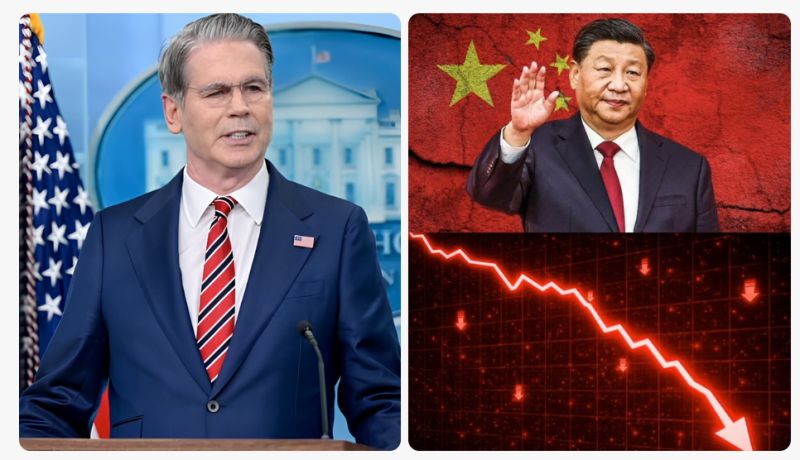
The US could soon target Chinese banks over Iranian oil
China buys roughly 90% of Iran’s oil exports, largely through independent refiners. Purchases are slowing — from around 823,000 barrels/day in July to 534,000 in August — but they haven’t stopped. Now the stakes are rising. Treasury Secretary Scott Bessent has warned that entities doing business with Iran could be cut off from the US dollar system. Beijing’s response? Sanctions are not the solution, and China will defend its economic interests. The potential escalation is significant: If China keeps buying Iranian crude, Washington could move against Chinese financial institutions facilitating those trades. At that point, this would no longer be just about Iran. It could become a direct financial confrontation between the US and China — with the dollar system at the center of it. Source: Bull Theory
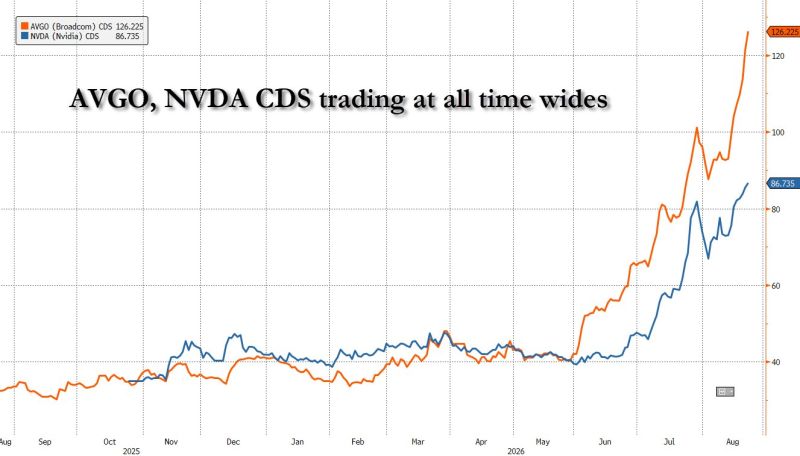
The CDS eruption continues: Broadcom CDS up 5bps to a new all time high, NVDA also at record wide every single day now.
Source: zerohedge
Another bullish development for gold
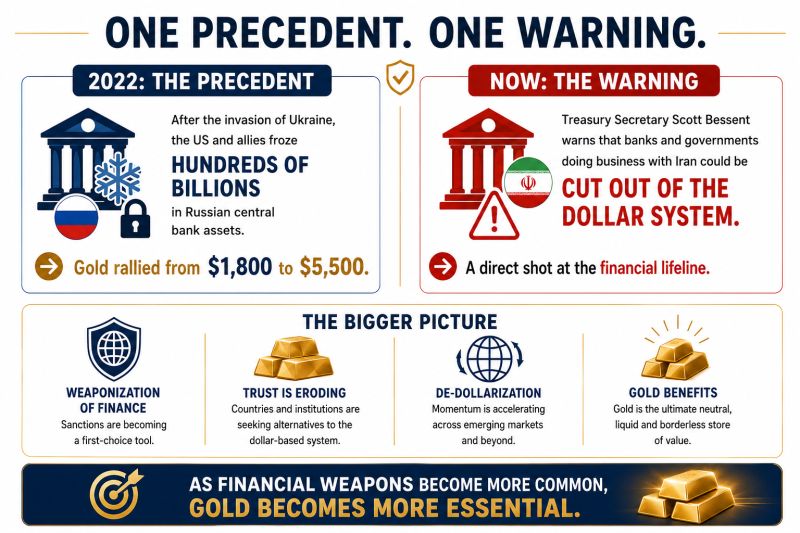
In 2022, the US froze hundreds of billions in Russian assets. Gold then rallied from $1,800 to $5,500. Now Bessent threatens to cut banks and governments doing business with Iran out of the dollar system. This might push sovereign countries / central banks to buy more gold Source: Karel Mercx
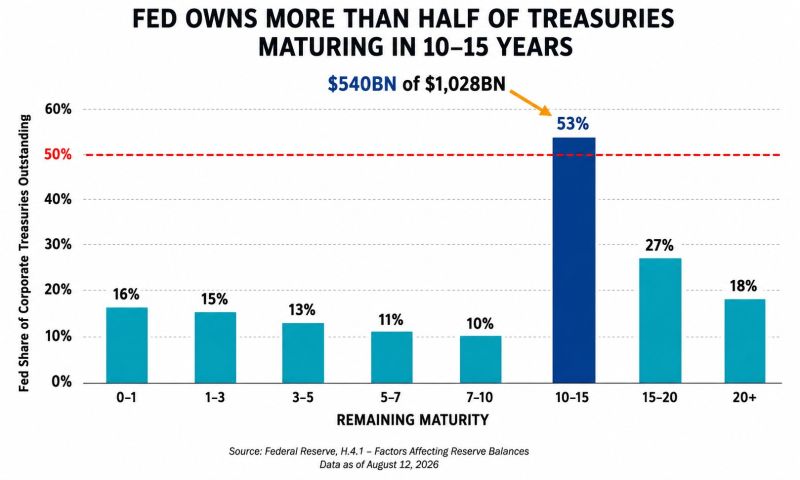
Markets are starting to show how the Strait of Hormuz crisis is reshaping global oil flows.
The key signal is not just fewer barrels moving through the region. It is where those barrels are now showing up. Ports like Fujairah and Sohar, both located outside the Strait, are seeing a surge in crude departures. That suggests they are increasingly acting as bypass routes, transshipment points, and ship-to-ship transfer hubs for oil that would normally have taken a more direct path through Hormuz. Importantly, this does not mean the UAE or Oman suddenly produced far more oil. It may also hint at rising “dark” vessel activity. When AIS signals are limited or interrupted, voyage tracking becomes harder, and cargoes can effectively “reappear” outside Hormuz. So the disruption is no longer visible only in oil prices and tanker rates. It is now visible in the geography — and the opacity — of the physical oil market itself. Source: Michael McDonough DST