
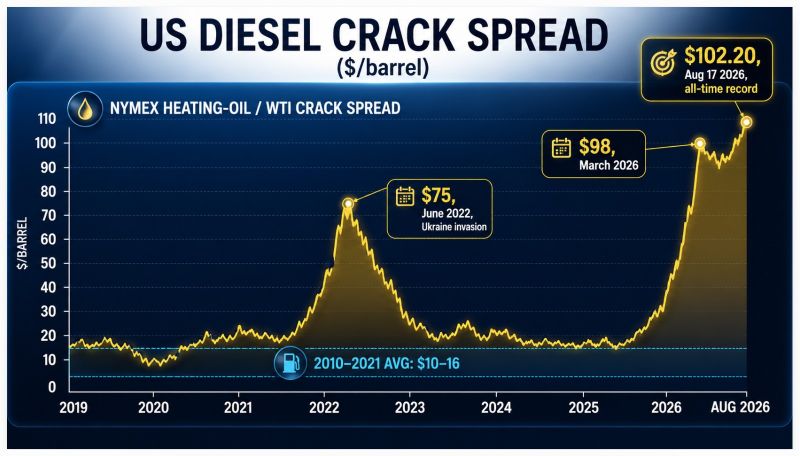
Diesel is flashing RED.
The US diesel crack spread — the margin between crude oil and diesel — just hit a record $102/barrel, setting new highs in five of the last six sessions. Why it matters: ⛽ US diesel inventories are at their lowest seasonal level since 1996. 🏭 Global refinery output is down ~5 million barrels/day YoY amid disruptions linked to Iran and Ukraine. 🇷🇺 Russia has restricted diesel exports through January. 🚜 And Northern Hemisphere harvest season is starting — exactly when diesel demand from agriculture rises. Most investors watch crude oil. But diesel is arguably more important for the real economy. Trucks, tractors, ships and heavy machinery depend on it. One study estimates diesel prices explain 46% of trucking costs. Higher diesel → higher freight costs → higher food and goods prices. And with producer prices already rising faster than consumer prices, some of those costs could still be waiting to reach consumers. Oil may drive the headlines. Diesel could be the one driving inflation higher. Source: Hedgie
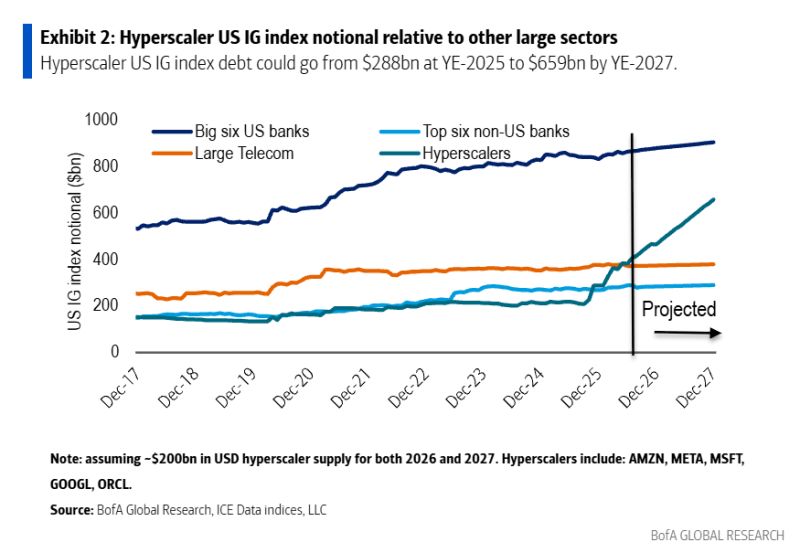
Hyperscalers are quietly becoming giants of the bond market.
Many investors might still underestimate the sheer scale of debt issuance coming from Big Tech. At the current pace, hyperscalers could become as significant in the investment-grade bond market as the largest global banks within just a few years. The AI infrastructure boom isn’t just reshaping technology. It’s reshaping credit markets too. Source: BofA, Tracy Alloway
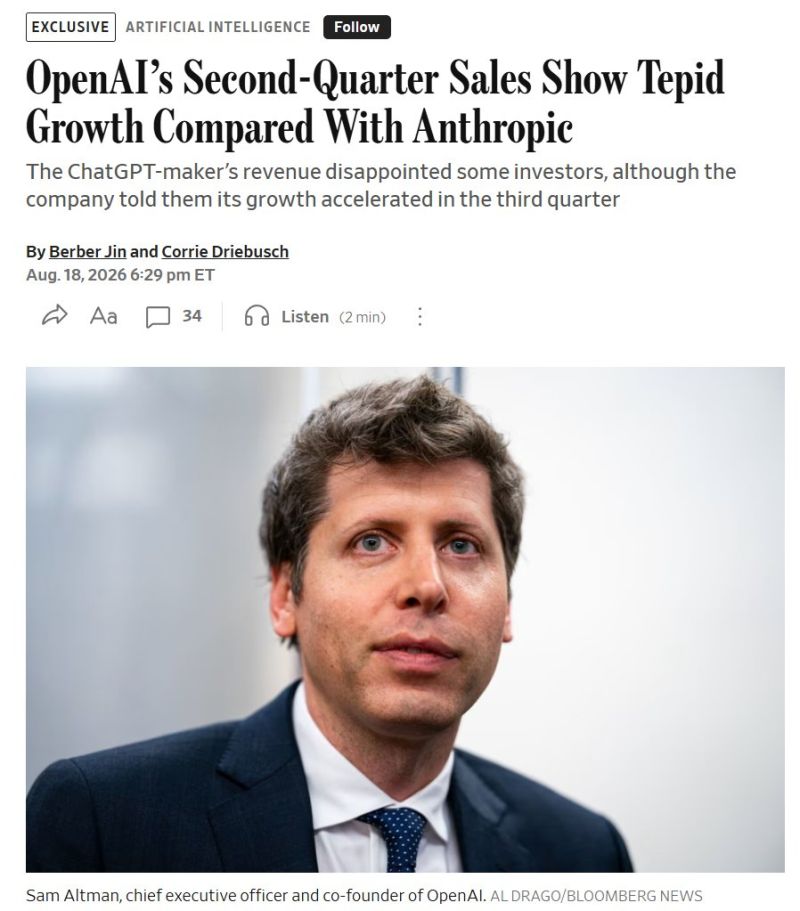
Anthropic just passed OpenAI in quarterly revenue for the first time more than doubling to $11.6B while OpenAI grew 18% to $6.7B.
Anthropic also reached a small operating profit making the gap even more notable as the two leaders scale on very different trajectories. Source: Shay Boloor
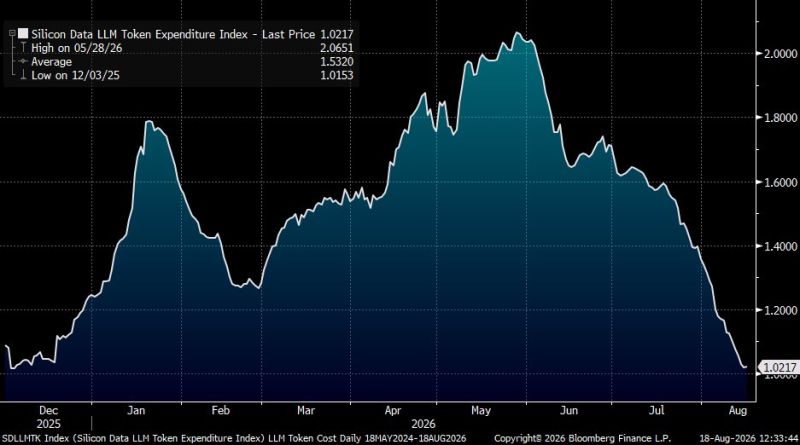
Average token costs have collapsed from a high of $2.07/mil tokens on May 28 to $1.02/mil tokens.
Main drivers are price cuts to OpenAI's models and new open-source models from Kimi & DeepSeek (which tend to be several multiples cheaper than closed-source models). Source: Liz Thomas Bloomberg
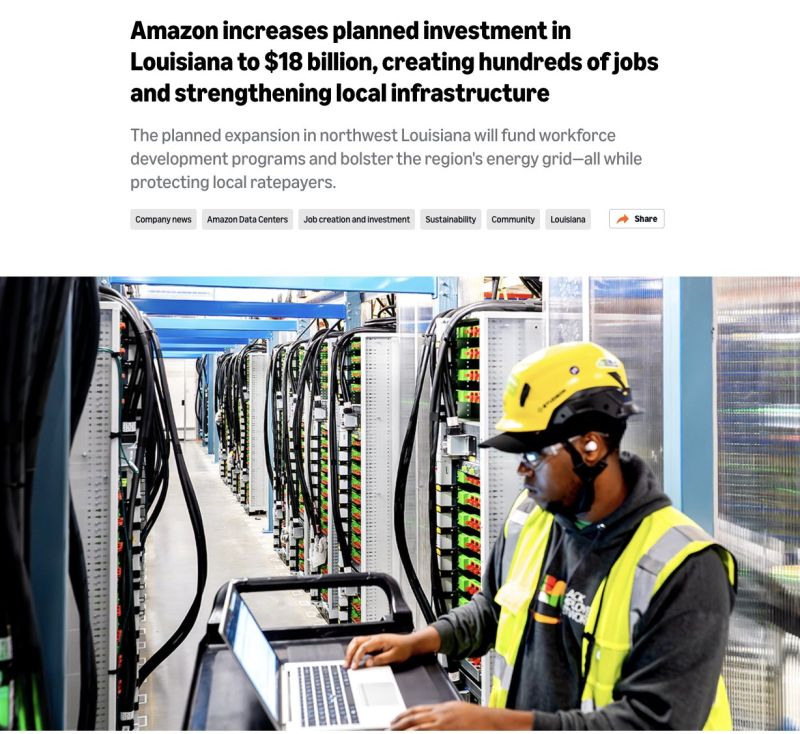
Amazon $AMZN just announced plans to grow its Louisiana data center investment from $12B to $18 billion with a third data center campus.
Source: Evan
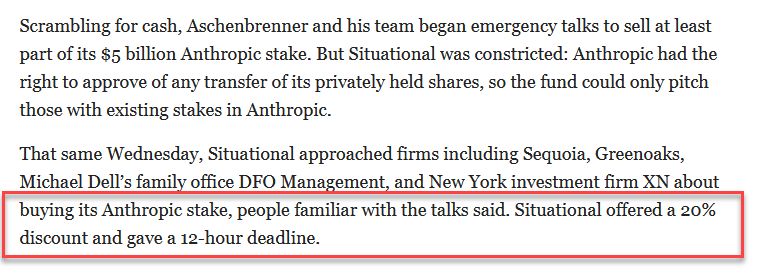
The Anthropic 20% distressed discount
Source: zerohedge
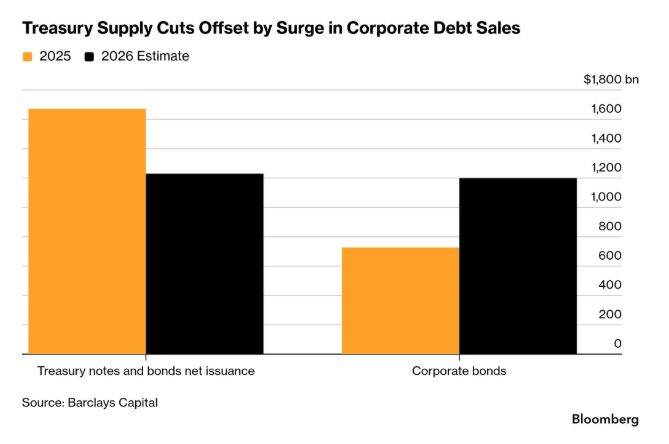
AI is driving up Treasury Yields (through the crowding out effect)
Source: Barclays, Bloomberg
The AI boom is becoming harder to stop
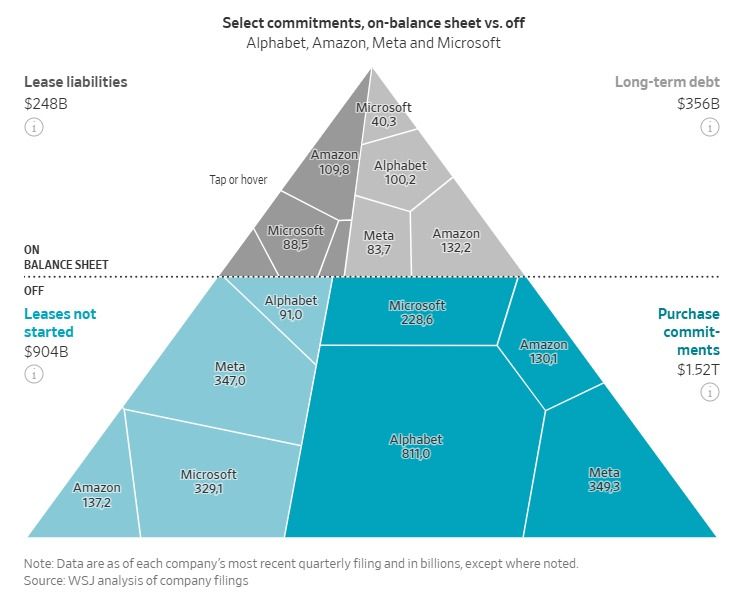
Alphabet, Amazon, Meta and Microsoft now have $2.4 TRILLION+ in future off-balance-sheet commitments, according to the WSJ. These aren’t hidden debts, but largely long-term commitments for data centers, energy, servers and compute capacity. The key point: a significant part of future AI spending is already locked in. That creates enormous momentum across the AI ecosystem — from Nvidia and Broadcom to memory, data centers, power equipment and utilities. It also accelerates the financialization of AI infrastructure: long-term Big Tech contracts can support debt, private credit and potentially securitization. ✅ Short term: this makes an abrupt AI capex slowdown less likely. ⚠️ Long term: it raises the stakes. If AI revenues fail to justify these massive commitments, overcapacity, falling compute prices and refinancing stress could turn today’s financial accelerator into tomorrow’s vulnerability.