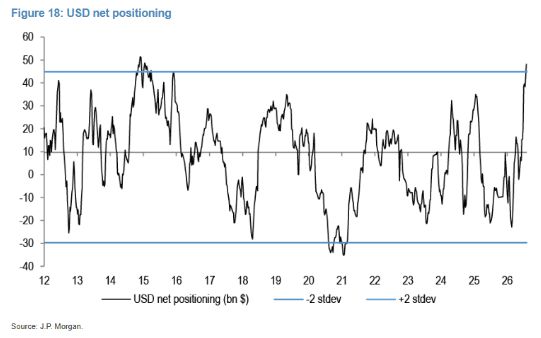

The Fed is buying US Treasury bills (i.e short dated US government bonds) at a faster pace than during Covid.
- Covid: ~$320B - Last 7 months: ~$290B In just 7 months, the Fed has already bought almost as many Treasury bills as it did during Covid. In other words, the Fed is printing money to buy UST bills, thereby suppressing yields... How long until they will implement YCC? Source: Lukas Ekwueme
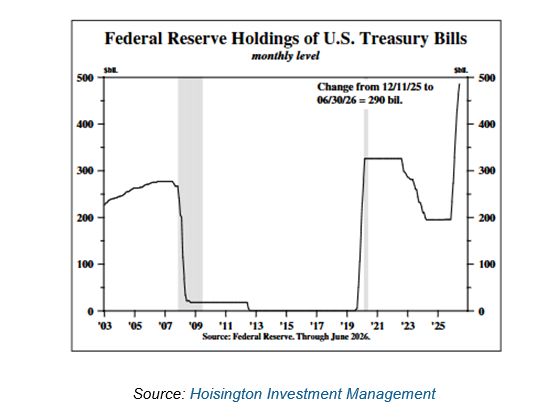
Just 8% of U.S. consumers expect their income to outpace inflation next year.
Source: Hedgeye Bloomberg
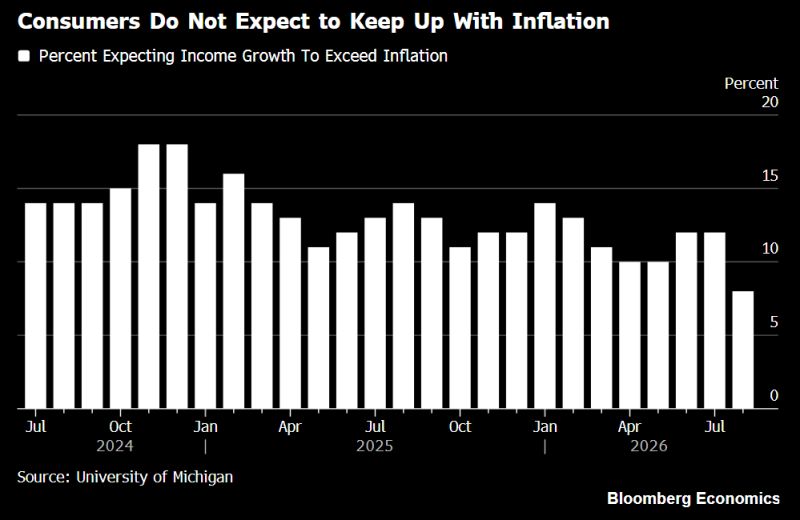
Our global M2 proxy was flat last week, close to its record high level (the DXY index was flat too). The S&P 500 continues to catch up and suggests the relationship between the two is not broken.
In orange: Global M2 with an 11 weeks lead In dark blue: S&P 500 index Proprietary model developed by our Head of Fixed Income Adrien Pichoud
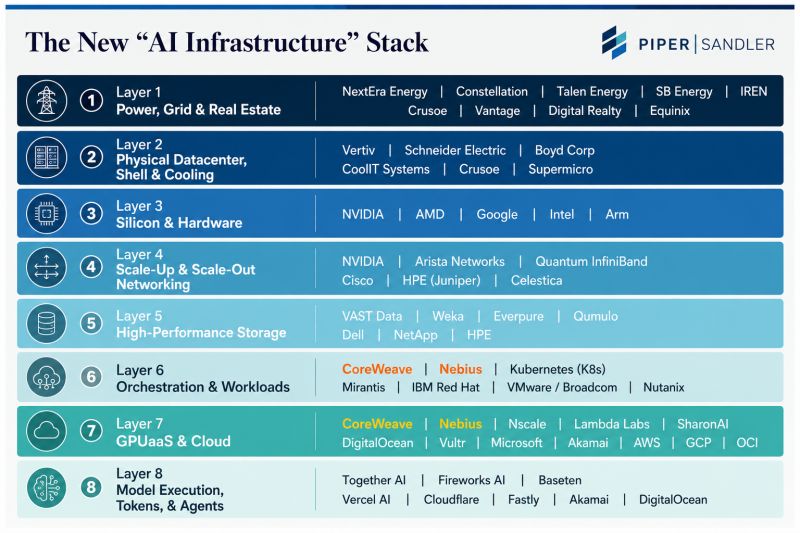
The new AI infrastructure stack
Piper Sandler mapped the new AI infrastructure stack across 8 layers from the power grid all the way to the agent as AI scaling creates bottlenecks across power, cooling, networking, storage, cloud & inference: Source: Shay Boloor Piper Sandler
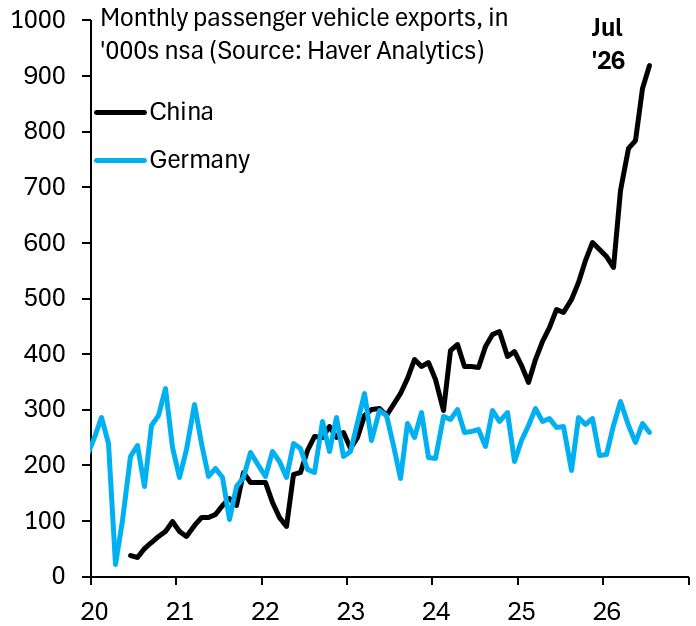
A nightmare chart for Germany
Source; Robin Brooks
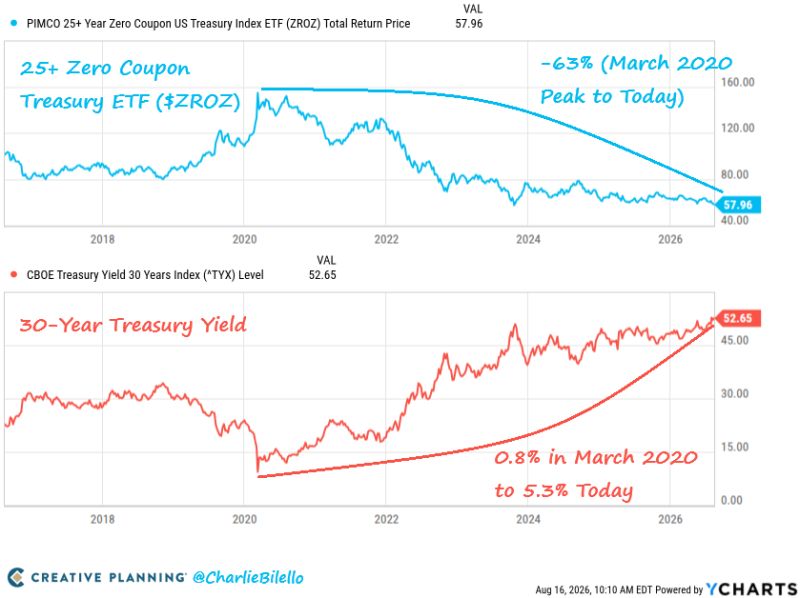
The longest duration bond ETF is now down 63% from its peak in March 2020.
How is that possible? The 30-Year Treasury yield has moved from an all-time low of 0.8% in March 2020 up to 5.3% today. Long duration + Rising interest rates from all-time low levels = Pain Source: Charlie Bilello
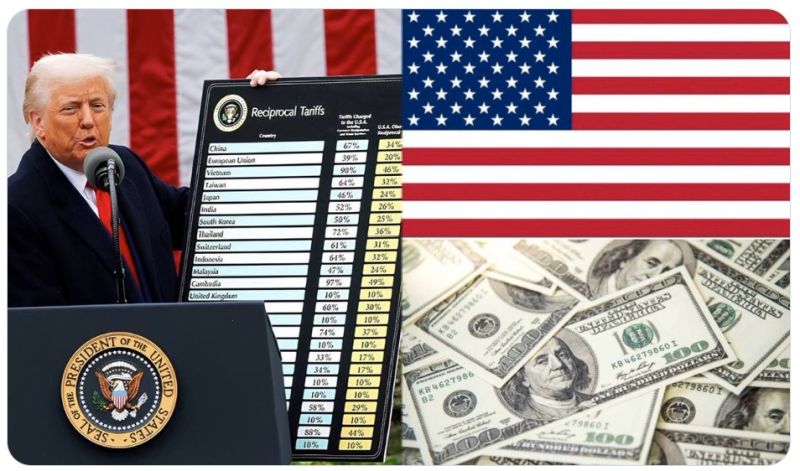
TARIFF REFUNDS ARE POURING BILLIONS INTO AMERICA’S BIGGEST COMPANIES
More than 40 S&P 500 companies reported $9.6B in tariff refunds, including $2.1B already received in cash. - Apple: $2.2B - Nike: $986M - FedEx: $800M - Amazon: $640M - GM: $500M Companies are getting their tariff money back, but the higher prices passed on to consumers haven’t come down. FedEx, Costco and Amazon say they’ll return tariff refunds to customers. Source: Bull Theory
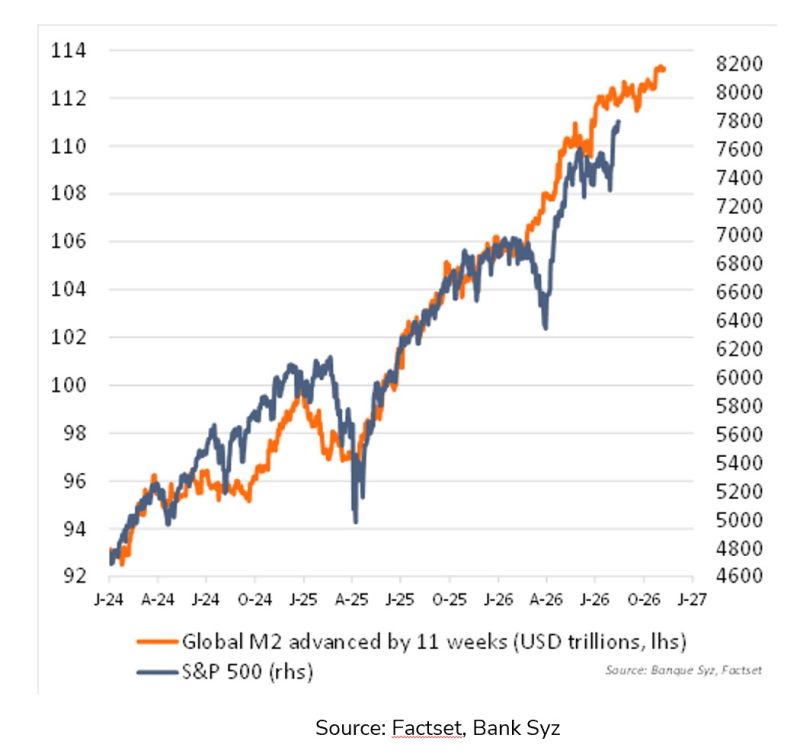
Speculators are now the most long on the U.S. Dollar in more than a decade
Source: Barchart