

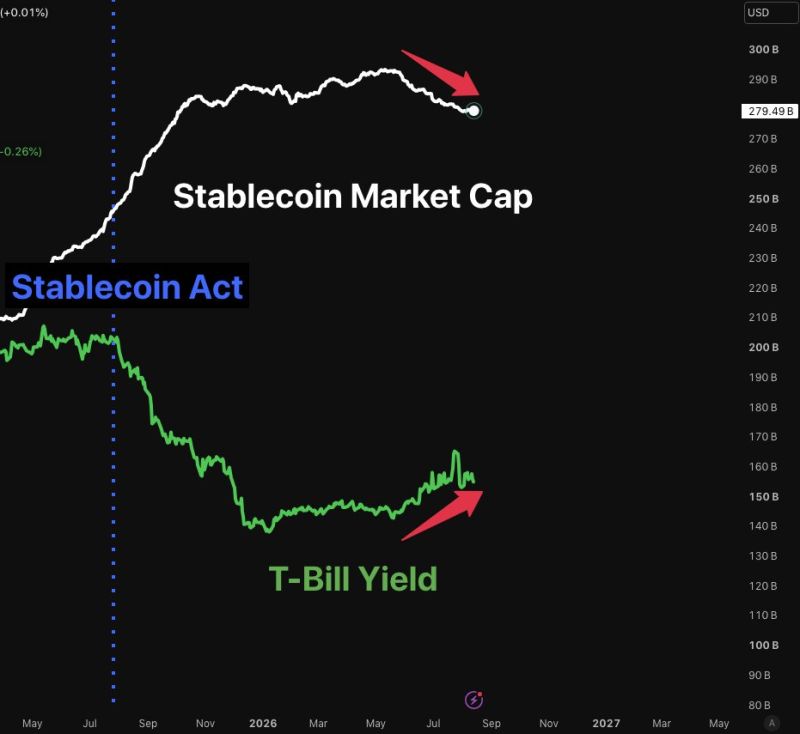
If you ever doubted how big a deal stablecoins were regarding lowering shorterm borrowing costs, this is for you. Since Stablecoin Act, issuance strongly negatively correlates with yields.
Now, market cap is shrinking & yields are on the rise. Coincidence? Source: Tidal Macro
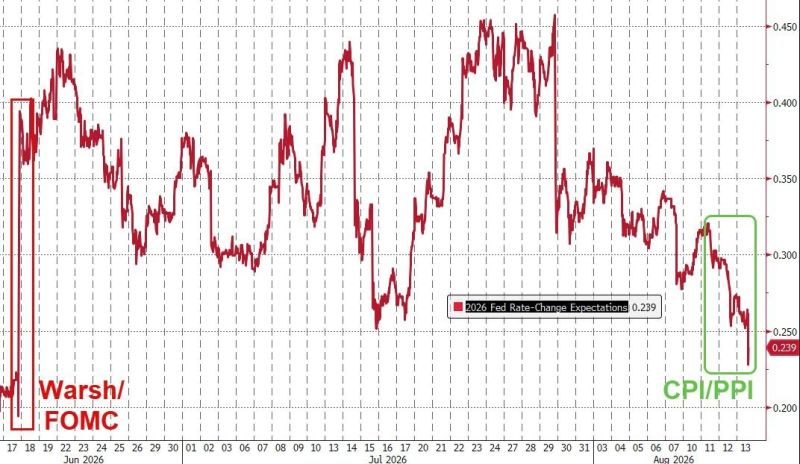
On the back of the cooler than expected PPI this morning (which followed the cool CPI), rate-hike expectations (for 2026) tumbled further yesterday to their lowest since Warsh's first FOMC meeting...
Source: zerohedge
A very interesting chart by Danny Younis.
EveryWatch’s comprehensive “H1 2026 - Secondary Market Report” uses real sales data with over 795,000 watches actually sold in the 1H of 2026 by 650 dealers and 472 auction house worldwide. It is not guesswork, or estimates, or forecasts used by some shonky “analysts” and “consultants.” 1H 2026 (January-June 2026) (USD): • Secondary-market sales value surged +37% to $10.5B • Top 3 brands generated 65% of market share (FY25: 57%), and Top 10 83% (FY25: 75%) • Rolex easily remained the market’s king → Generating $4.3B in sales, a surge of +44% on last year → This represents 41% market share, significantly up on 2025’s 34%, with over 227,000 watches sold → That is 3x is nearest rival! Source: Danny Younis

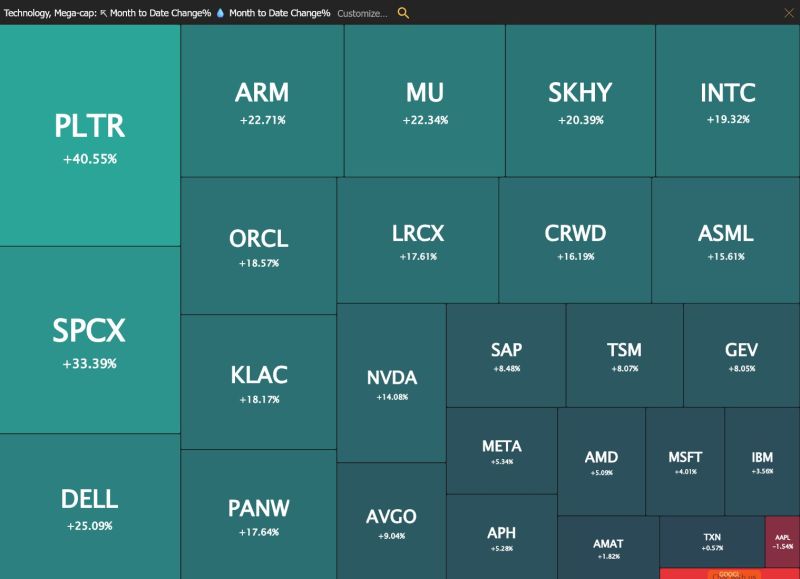
Tech has had quite the month so far... and we're not even halfway done
Source: Trend Spider
Reddit Stock Surges 12%, Set to Join S&P 500 Index This Month
Reddit will join the S&P 500 Index before the US market opens on August 18, driving a 12.45% surge in extended trading. While inclusion enhances market visibility and potential passive fund demand, the traditional "index effect" has moderated. Reddit faces core challenges, including slowing US user growth and search referral volatility driven by AI-powered search changes. Despite a robust second-quarter revenue report, the stock remains down about 31.9% year-to-date as investors weigh long-term traffic sustainability against its growing valuation and strategic positioning alongside Meta Platforms in the social media sector. Source: TradingKey, Trend Spider

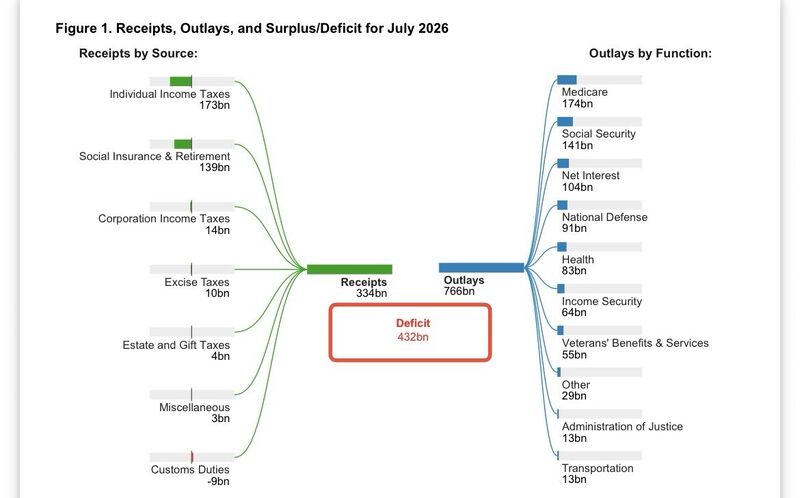
In the month of July, the US Government collected $334 Billion. Just one problem…
They spent $766 Billion. A $432 BILLION deficit. In one month. Source: Geiger Capital
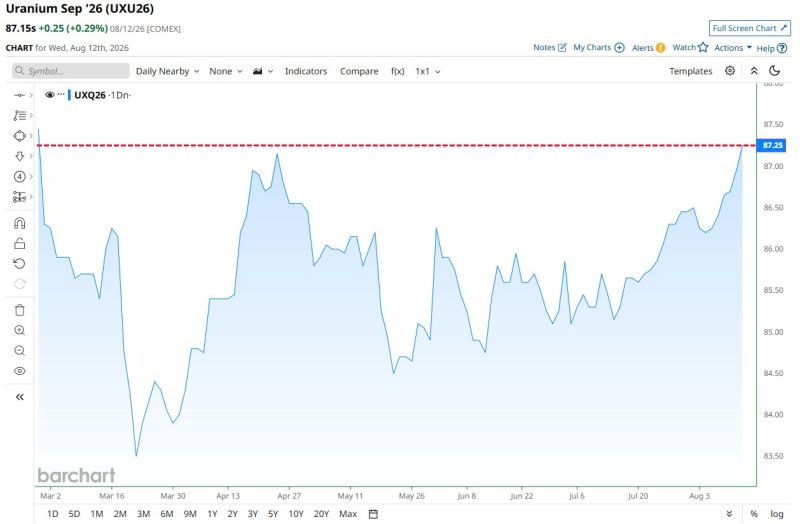
Uranium hits highest price since February
Source: Barchart
Bessent’s selling of EUR to buy JPY, and US threats to weaponize USD stablecoins against the EU may be triggering some unforeseen blowback.
Source: FT, Luke Gromen