
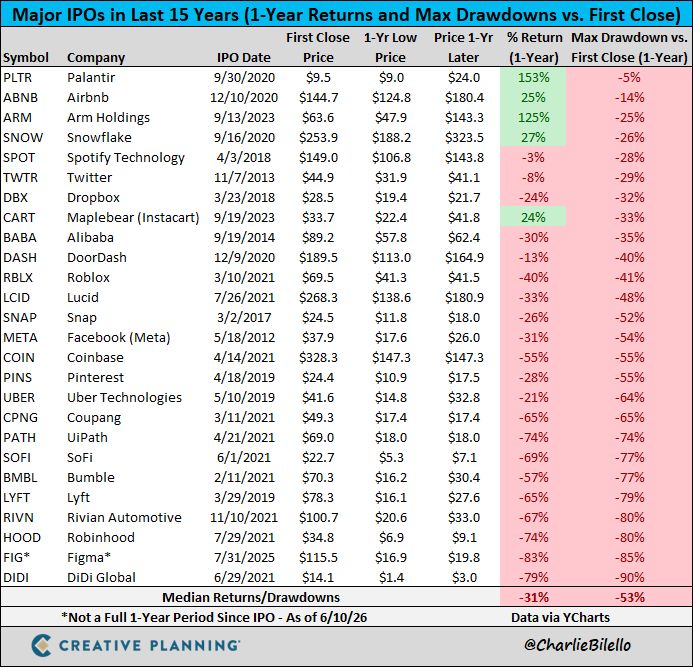
With unprecedented investor demand for the largest IPO in history (SpaceX), it's worth remembering a simple lesson:
A great company doesn't always make for a great investment at any price. The median major IPO lost 31% in its first year & suffered a 53% drawdown along the way. Source: Charlie Bilello
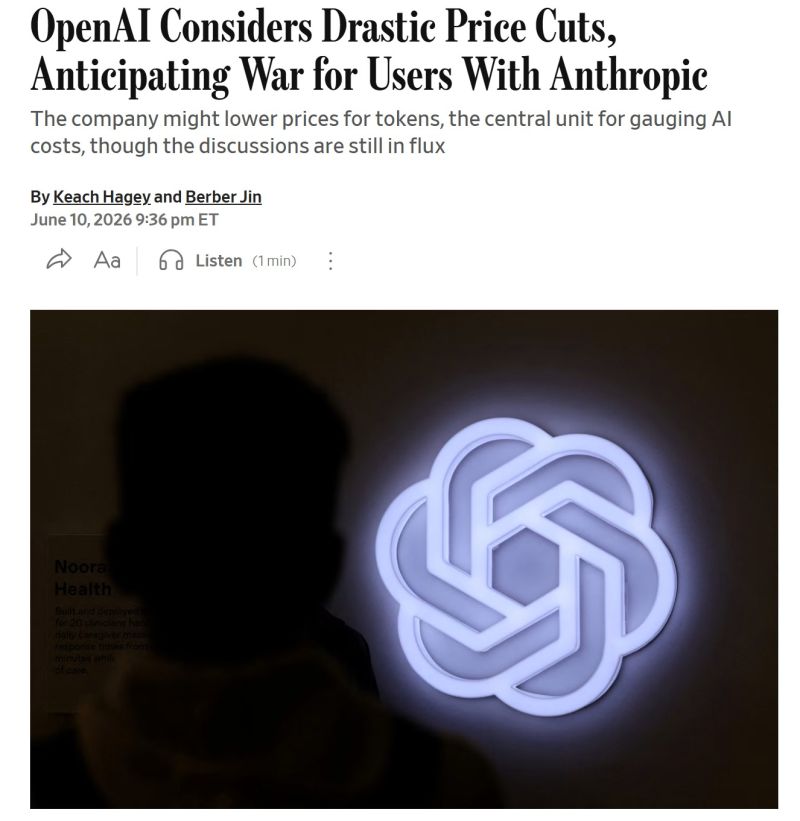
OpenAI is reportedly considering drastic price cuts on its token costs to compete with Anthropic for users
Source: WSJ
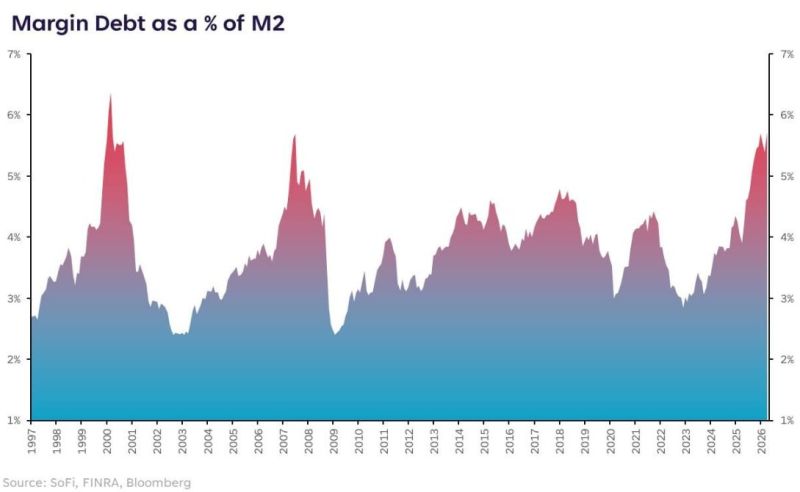
Margin Debt as a % of M2 is now at its 2nd highest level in history, just behind the Dot Com Bubble
Source: Barchart
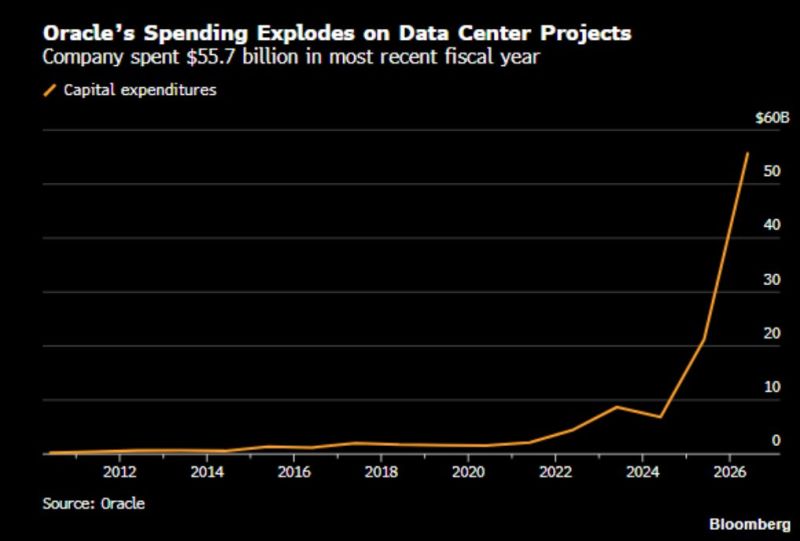
Oracle just revealed the hidden cost of the AI arms race.
$ORCL spent a staggering $55.7 BILLION on capex this year — $5.7B above its own guidance. Now it plans to raise another $40B in debt + equity. The market’s reaction? Oracle stock dropped 6% after hours. Why investors are nervous: • AI infrastructure is becoming massively capital intensive • Debt levels are exploding • Returns on AI spending remain uncertain Yet the numbers were still huge: • Revenue: $19.2B (+21%) • Cloud Infrastructure: +93% growth • AI bookings hit record levels • Remaining contracts surged to $638B Oracle is no longer just a database company. It’s becoming one of the biggest AI infrastructure bets in the world. The real question now: Will AI demand grow fast enough to justify the biggest debt-fueled spending cycle in tech history?Source: Special Situations
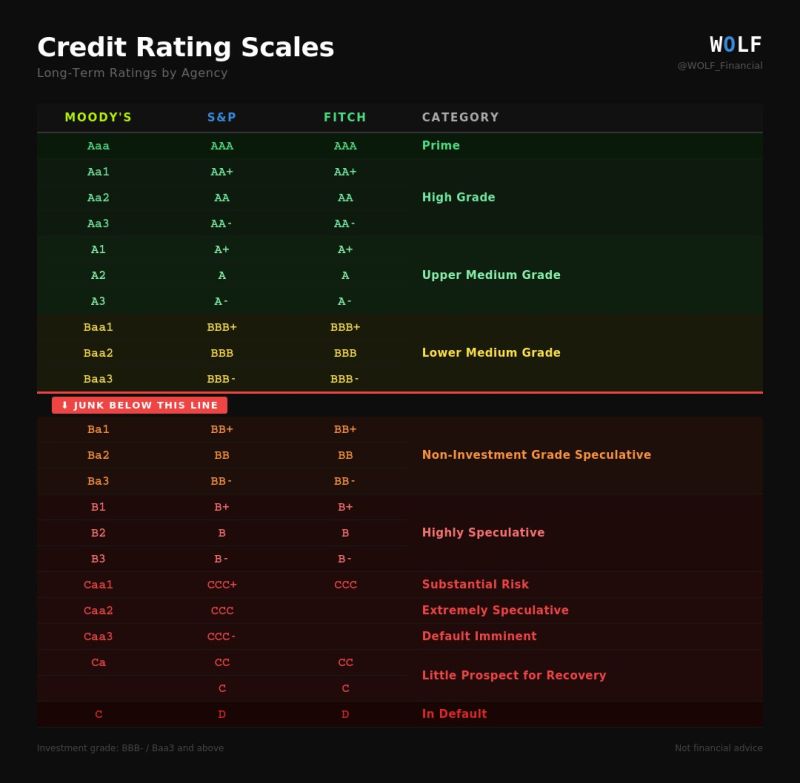
JUST IN: SPACEX HAS REPORTEDLY LINED UP INVESTMENT-GRADE CREDIT RATINGS FROM ALL THREE MAJOR AGENCIES
Per Bloomberg, citing sources: - Moody's, Fitch, and S&P Global all have SpaceX at investment grade - The ratings are reportedly being communicated privately ahead of Friday's $SPCX IPO debut - All three agencies publicly say they have not issued ratings The backing: - Google $GOOGL cloud services deal: $30B through mid-2029 - Anthropic compute deal: ~$45B over the next 3 years - Combined contracted revenue: $75B The Q1 financials: - Revenue: $4.69B (vs $4B a year earlier) - Net loss: $4.28B (vs $528M loss a year earlier) CreditSights expects SpaceX to issue investment-grade debt shortly after the IPO. The company has a $20B bridge loan due September 2027. Per CreditSights' Zachary Griffiths: "Negative earnings are not typically associated with an investment-grade company, but nothing about this is typical." Source: Evan, IPO Newsroom
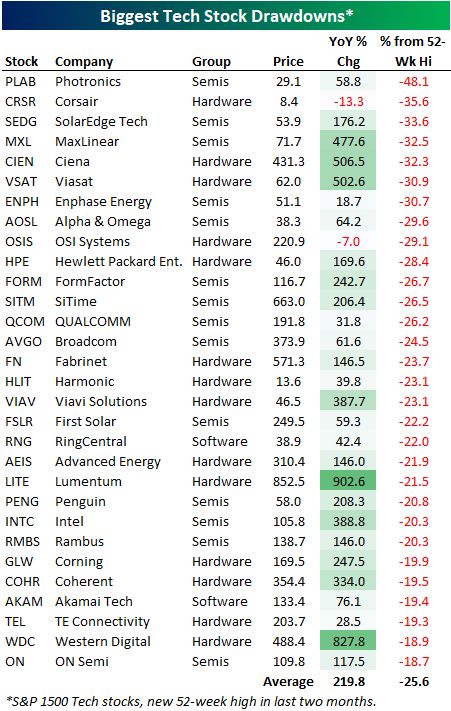
Here are the biggest drawdowns from S&P 1500 Tech stocks that have made 52-week highs in the last two months. A couple of these are in 30%+ drawdowns yet still up 500%+ y/y.
Source: Bespoke
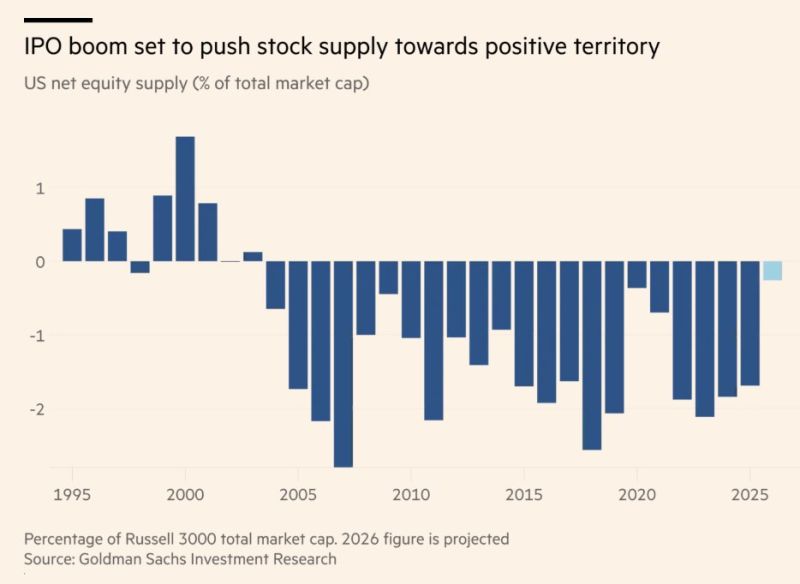
One of the biggest hidden drivers of the US stock market may be coming to an end.
Since 2003, US equities have been in a historic era of NEGATIVE net supply. Translation: Companies bought back more stock than the market created through IPOs and new share issuance. Less supply + relentless demand = higher prices. That dynamic helped fuel one of the greatest bull markets in history. Now the trend is reversing. For the first time in 23 years, US stock market supply is expected to stop shrinking. Why? Because the AI race is becoming insanely expensive. Big Tech firms are preparing massive share sales to finance AI infrastructure spending. At the same time, IPO giants like SpaceX, OpenAI, and Anthropic could eventually bring huge new supply to public markets. Goldman Sachs estimates net equity supply could turn flat in 2026 after two decades in negative territory. The AI boom may not just change technology. It may fundamentally change the market structure that powered US equities since the GFC. Source: FT
As expected, the ECB hiked rates by 25 basis points the first increase since 2023.
The ECB lifted its main refinancing rate to 2.40% and its deposit facility rate to 2.25%, citing inflation pressures following an Iran conflict-driven energy shock that pushed eurozone inflation to 3.2%. The surprise move comes as the eurozone economy shows signs of weakness, with GDP contracting 0.2% in Q1. Policymakers said the hike is aimed at preventing higher energy prices from becoming embedded in broader inflation. While this may draw criticism from some given the current growth context, the Bank actually has little choice. Unlike the Fed’s dual mandate of inflation and employment, the ECB has a single mandate: price stability. Note a big jump in the ECB's 26/27 inflation forecasts, offset by a drop in GDP forecasts HICP 2026: 3.0%, from 2.6% in March HICP 2027: 2.3%, from 2.0% HICP 2028: 2.1%, from 2.0% GDP 2026: 0.8%, from 0.9% GDP 2027: 1.2%, from 1.3% GDP 2028: 1.5%, from 1.4%