
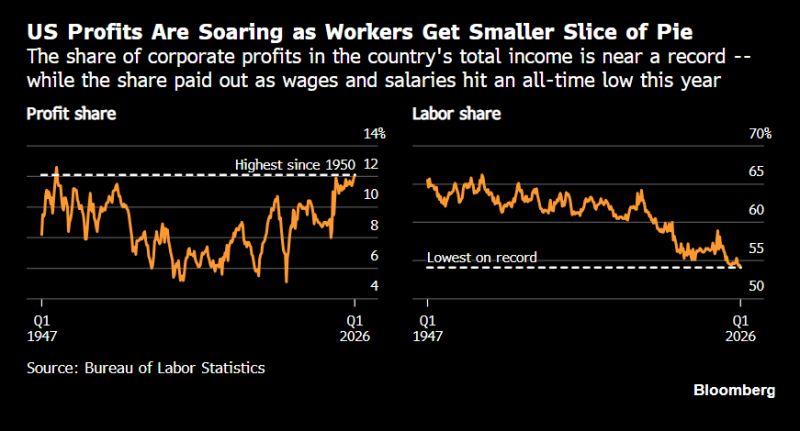
The K-Shaped Economy:
U.S. corporations are keeping the largest share of national income since 1950, while the share going to workers hit an all-time low. Source: Hedgeye, Bloomberg
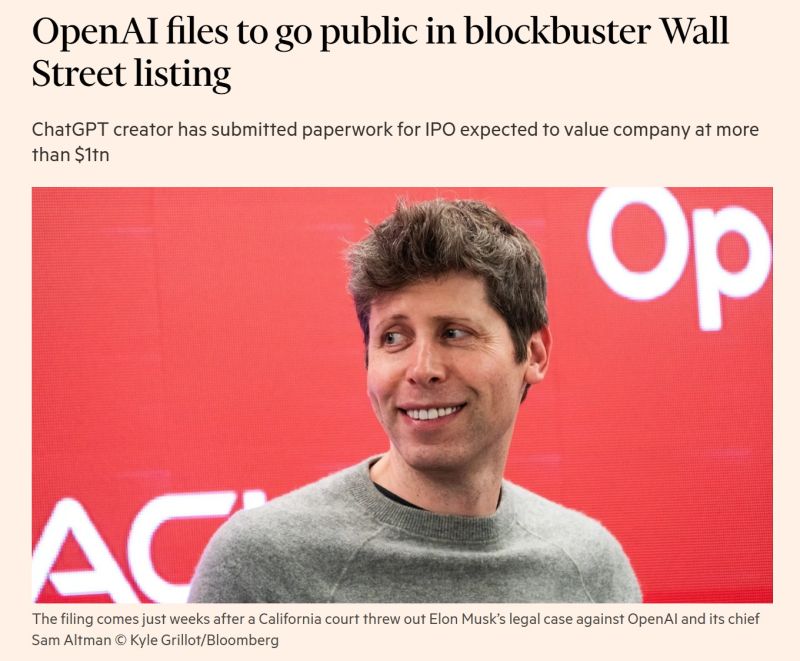
OpenAI just pulled the trigger on what could become the biggest IPO in tech history.
The ChatGPT maker confidentially filed to go public. Potential valuation? 👉 Over $1 TRILLION. And the timing is wild. Within days: • SpaceX is preparing a massive IPO at a $1.78T valuation • Anthropic has already filed • Wall Street’s AI race just went fully public This isn’t just another tech listing. It’s the moment AI officially becomes the center of global capital markets. But here’s the fascinating part: OpenAI is still losing enormous amounts of money. Despite: • 900M+ ChatGPT users • Explosive revenue growth • Record-breaking fundraising • Massive investor hype The company continues burning billions on: • AI research • Data centers • Compute infrastructure • Talent wars And investors still can’t get enough. That tells you everything about where markets believe the future is heading. OpenAI says it “hasn’t decided on timing yet.” Translation: They want optionality. Stay private long enough to move fast… But be ready to tap public markets the second conditions are perfect. Meanwhile: • Elon Musk’s lawsuit against OpenAI was thrown out last month • Discussions with the US government are reportedly happening • Employees may soon get liquidity through a secondary sale This is no longer just a startup story. Source: FT
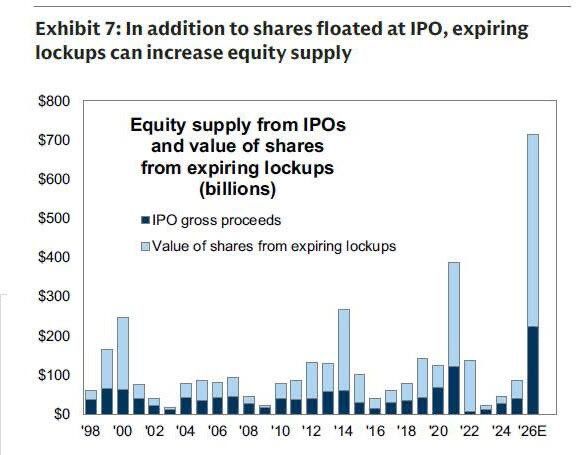
INCREASE IN EQUITY SUPPLY = SHARES FLOATED AT IPO + EXPIRING LOCKUPS
Source: BofA
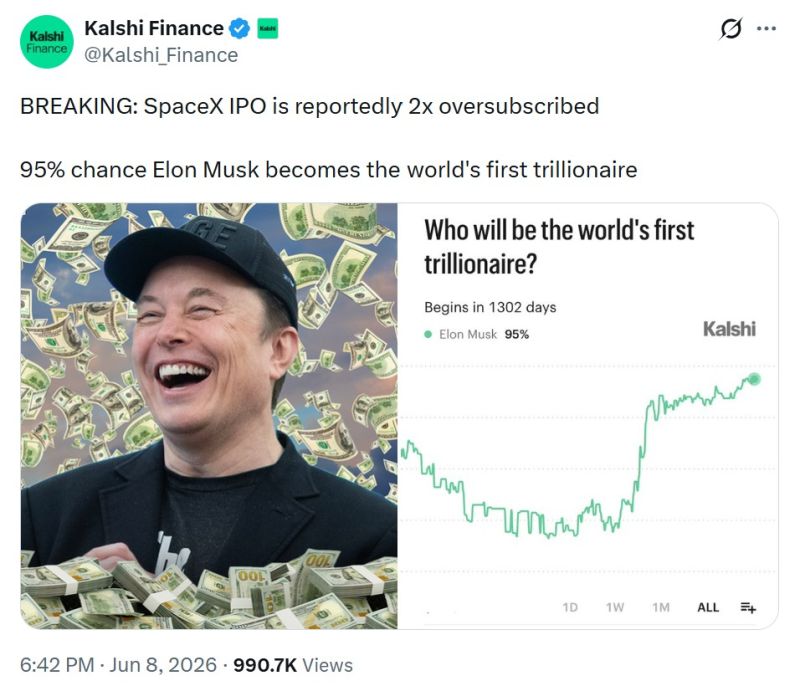
Who will be the world's first trillionaire?
Source: GURGAVIN
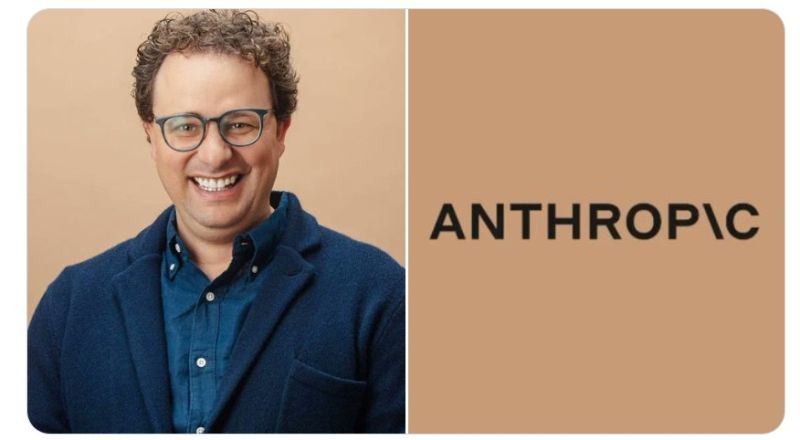
In case you missed it. Anthropic will reportedly release its new AI model “Mythos” tomorrow.
Source: Polymarkets money on X
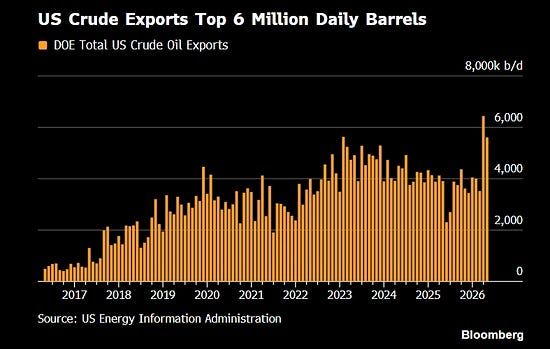
The US is exporting its SPR releases.
Source: Lukas Ekwueme
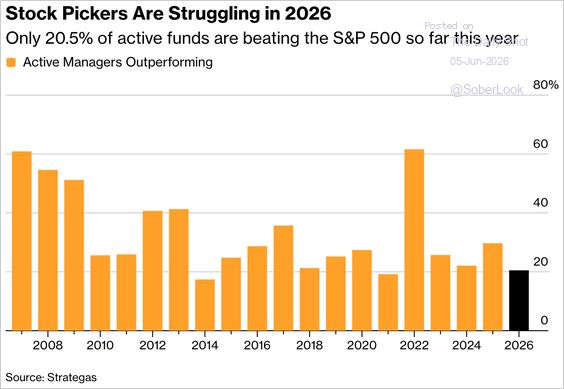
Active large-cap equity managers are struggling to keep pace with a technology-led market rally, with only 20.5% outperforming the S&P 500 this year.
Source: Bloomberg, The Daily Shot
ELON MUSK WILL VIRTUALLY ATTEND A CLOSED-DOOR ASML EMPLOYEE CONFERENCE TO DISCUSS TERAFAB
Here's what Terafab actually is: A SpaceX-Tesla joint venture to build cutting-edge chips for robotics, AI, and space data centers. Announced in March. A $55 billion chip factory planned in the US. Target: 2 nanometer chips at the cutting edge of current technology. The end goal: support a terawatt of computing power per year. Per Bloomberg, ASML considers Terafab a "serious endeavor" and its leadership has already held direct discussions with Musk on the project. Source: Evan