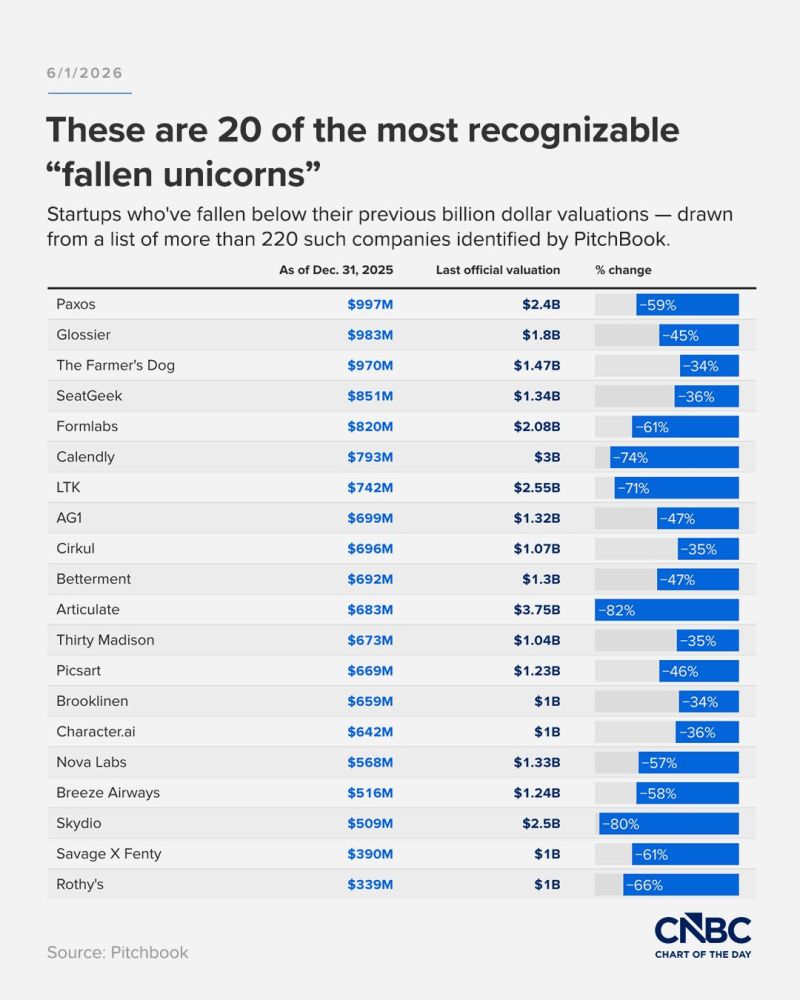

ISM manufacturing PMI accelerates to 4-year high with improving production, new orders, and employment.
Prices remain 2nd highest since 2022. Source Bloomberg
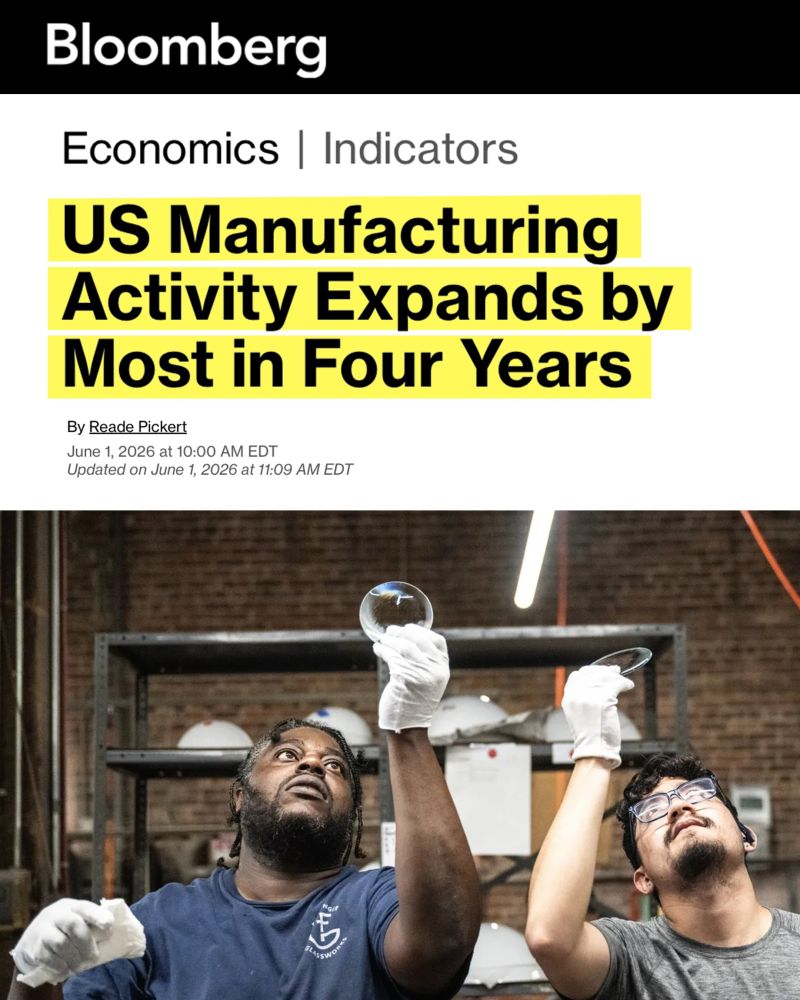
The 1997 analogy on the S&P 500 (current in yellow vs. 1997 cycle in red)
There are plenty of tempting short signals out there, but markets driven by momentum and speculation rarely stop simply because they look expensive. For now, the 1997 analogy continues to prevail. The crowd keeps chasing upside, leverage keeps building, and downside protection remains unwanted. History suggests that can continue longer than expected. History also suggests it eventually matters... Source: TME
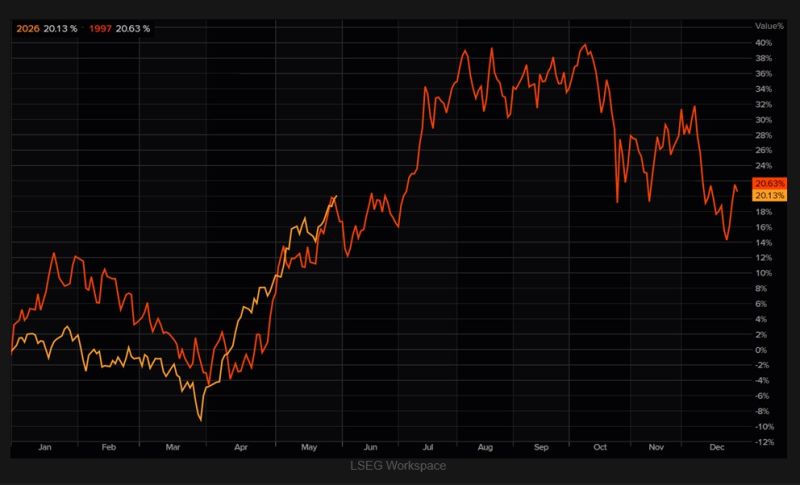
The BTC top coincided with the moment the AI narrative went parabolic.
One possible explanation is that speculative capital has simply found a higher-beta home in AI. SK Hynix remains one of the key AI mania names to watch. Is an AI bear market the only thing that can bring those flows back to crypto? If so, BTC bulls may find themselves in the unusual position of rooting for weakness in the very risk assets that have driven markets higher. Source: TME
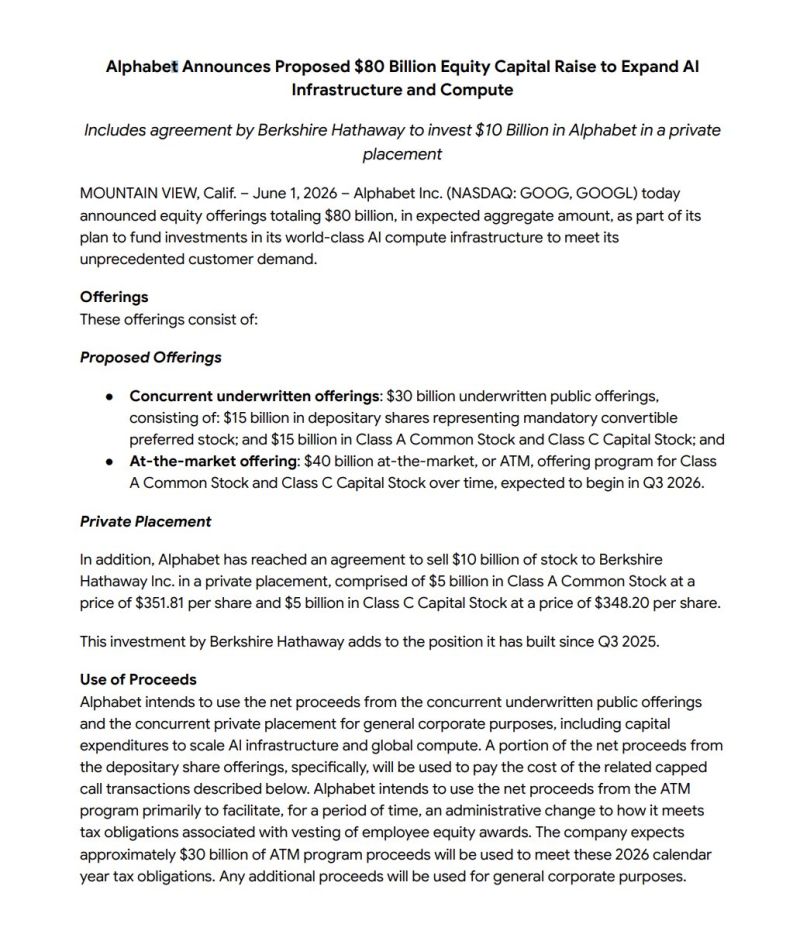
GOOGLE $GOOGL JUST ANNOUNCED AN $80 BILLION CAPITAL RAISE TO BUILD AI INFRASTRUCTURE
And Berkshire Hathaway $BRK.B is writing a $10 billion check to get in. Here's the full breakdown: THE DEAL: - $30B in underwritten public offerings - $40B through an at-the-market stock program starting Q3 2026 - $10B private placement to Berkshire Hathaway THE BERKSHIRE PIECE: - $5B in Class A Common Stock at $351.81 per share - $5B in Class C Capital Stock at $348.20 per share - Berkshire has been building this position since Q3 2025 THE PURPOSE: - Scale AI compute infrastructure to meet "unprecedented customer demand" - Approximately $30B of the ATM proceeds will cover 2026 employee equity tax obligations - Remaining proceeds go directly to AI infrastructure buildout Source: Evan
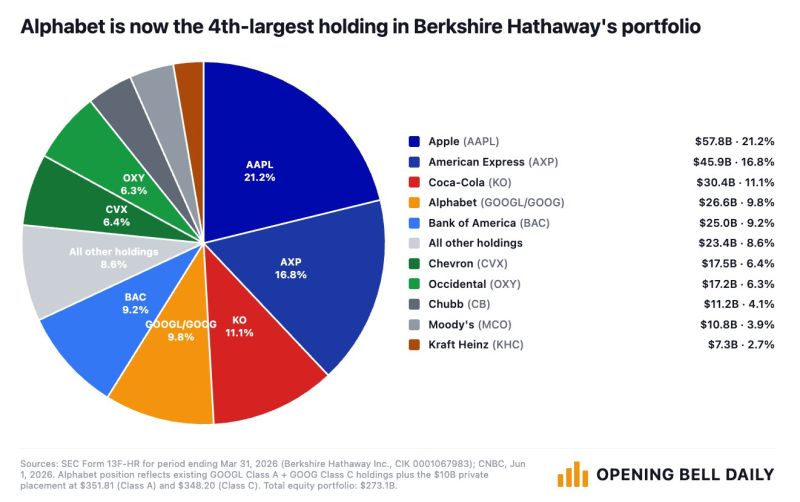
Berkshire Hathaway buys another $10 billion in Alphabet $GOOG to raise its stake to $26 billion.
Warren Buffett never would have guessed that Berkshire's 4th-largest holding would be a $4.5 trillion AI company just one year after he retires. Source: Phil Rosen @philrosenn
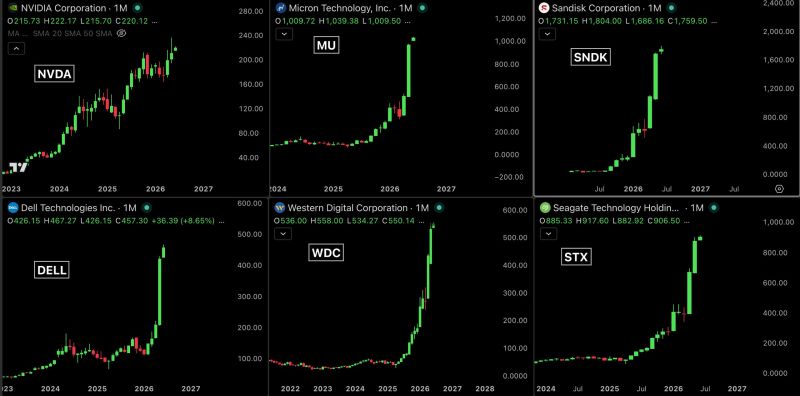
Yesterday, $377 BILLION of Market Cap were added to AI infrastructure stocks in a single session.
NVDA +6.19% MU +6.51% DELL +10.79% SNDK +3.72% WDC +3.70% STX +4.71% Every single one of these companies directly supplies the hardware that runs AI, chips, memory, servers, and storage. Demand from data centers is outpacing supply across the board. Dell booked $24.4 billion in new AI server orders in a single quarter. Micron is sold out through 2026. SanDisk and Western Digital are one of the two biggest suppliers of NAND flash memory used in AI storage. Seagate supplies the hard drives filling new data center being built. The market is repricing every company in the AI hardware supply chain at the same time. Source: Bull Theory
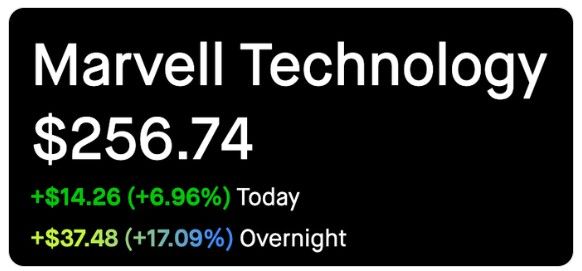
JENSEN AT COMPUTEX TAIPEI:
- Marvell will become the next trillion-dollar company - Marvell and Nvidia are strengthening their partnership to expand critical networking & connectivity to power AI data centers Jensen touch...plus 17% Source: amit
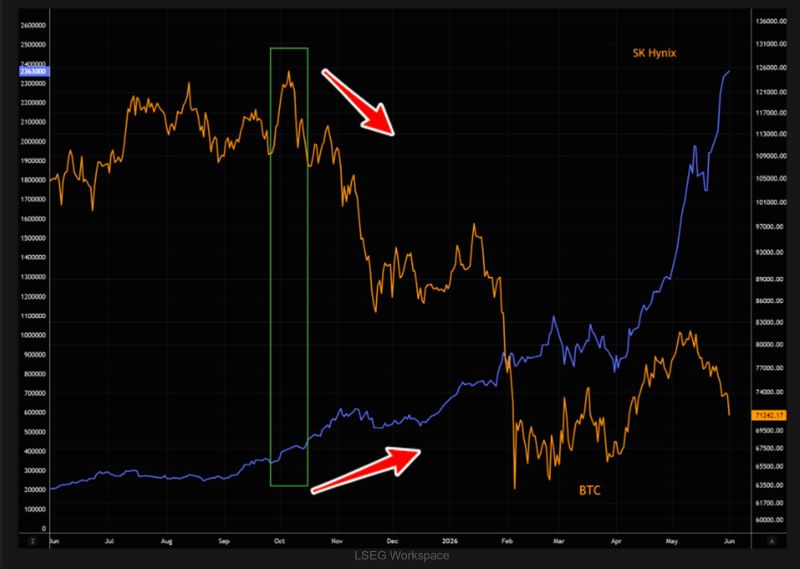
FALLEN UNICORNS
The AI boom that funneled more than $250 billion into OpenAI and Anthropic ahead of their expected mega-IPOs this year has left hundreds of startups built before ChatGPT’s arrival in 2022 stranded — effectively cut off from venture funding because of their inflated valuations and outdated technology, yet not profitable enough for the public markets. More than 220 companies that had reached billion-dollar valuations in the venture boom are now fallen unicorns, according to PitchBook, which provided a list of the companies exclusively to CNBC. The estimates are based on factors including head count growth and comparisons with public companies. Source: CNBC