Straight from the Desk
Syz the moment
Live feeds, charts, breaking stories, all day long.
- All
- equities
- United States
- Macroeconomics
- Food for Thoughts
- markets
- bitcoin
- Central banks
- geopolitics
- Fixed Income
- gold
- AI
- Asia
- europe
- Commodities
- investing
- Technology
- Crypto
- technical analysis
- nvidia
- china
- ETF
- oil
- earnings
- Forex
- energy
- banking
- magnificent-7
- Volatility
- Real Estate
- Alternatives
- apple
- emerging-markets
- switzerland
- tesla
- Middle East
- United Kingdom
- amazon
- assetmanagement
- microsoft
- ethereum
- russia
- meta
- Industrial-production
- ESG
- Healthcare
- Global Markets Outlook
- bankruptcy
- Turkey
- brics
- Market Outlook
- africa
- performance
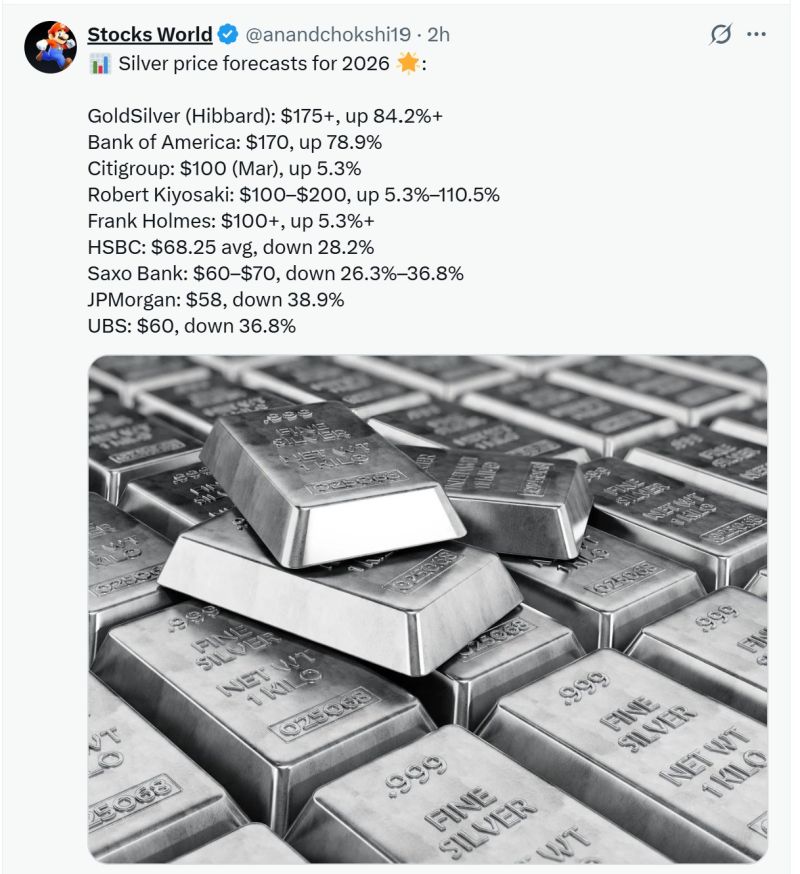
The Gold/Silver pair down to 52x - the lowest since Dec 2012
Since: zerohedge
The next 24 hours could be extremely volatile! supreme court tariff ruling is expected today at 10:00 am et
Markets price a 71% chance that courts rule Trump’s tariffs illegal, raising the prospect of $600B+ in refunds and significant market uncertainty. A non-consensus view argues the opposite outcome is more likely: keeping the tariffs may be less disruptive than reversing them. U.S. businesses have already adapted by restructuring supply chains, repricing goods, and adjusting investment plans, so a sudden rollback could punish those who adjusted and reward those who didn’t. Early fears of runaway inflation, collapsing earnings, and stalled growth have not materialized. Striking down the tariffs would also create legal and fiscal uncertainty around refunds and replacement measures, increasing volatility. Once embedded, tariffs function as a fiscal revenue tool, not just trade policy. Bottom line: The court may prioritize the least disruptive outcome—maintaining or modifying tariffs rather than eliminating them outright. Source: Cassian @ConvexDispatch, @BobEUnlimited
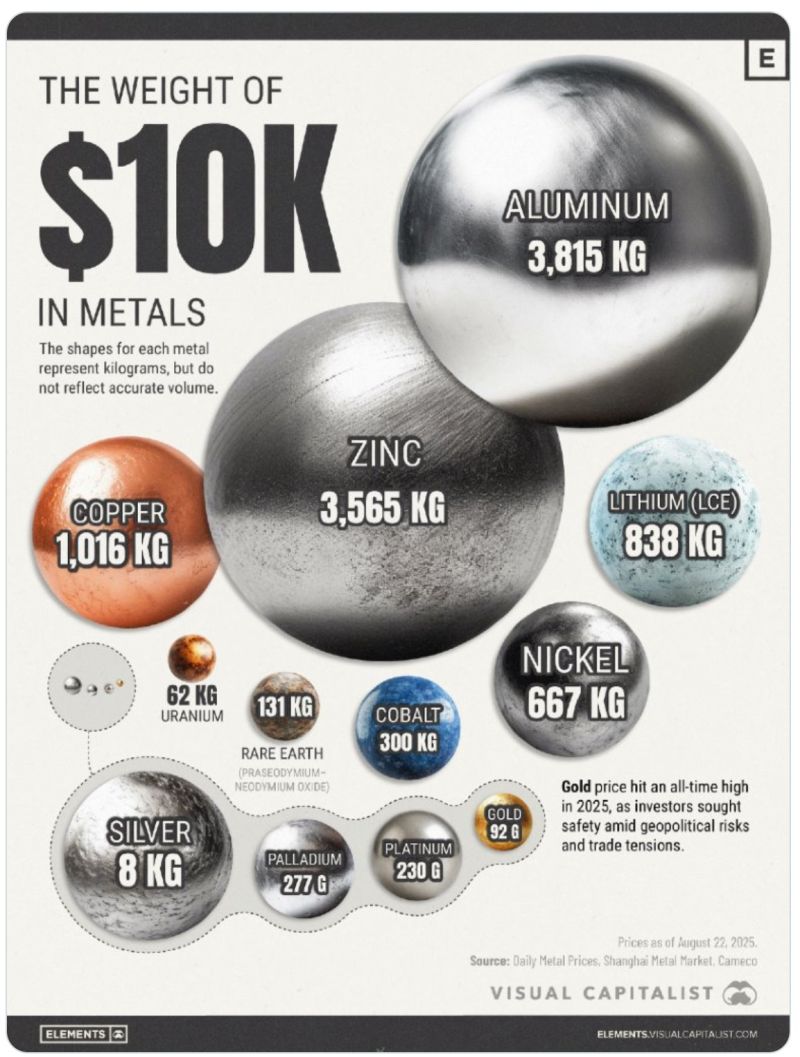
The commodity supercycle is back
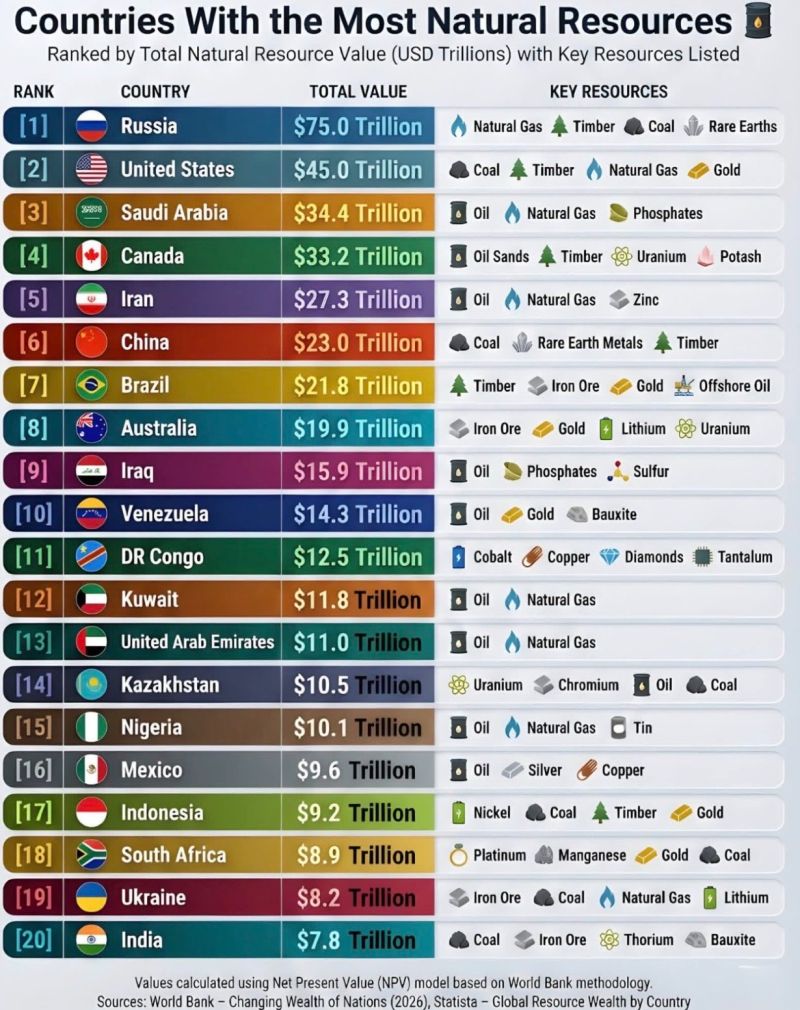
The Sovereignty Trap: By offshoring industry to China for higher margins, the West traded its independence for cheap labor; China now controls the minerals essential for Defense, EVs, and tech. Resource vs. Currency: The ability to print money is irrelevant if China refuses to sell the raw materials required for survival and industry. The Great Rebuild: To regain independence, Western nations are aggressively reshoring industry, stockpiling minerals, and rebuilding infrastructure. The Irony of Tech: Building the "New Economy" (Silicon Valley, AI, Green Tech) is impossible without massive amounts of "Old Economy" materials like copper, lithium, and steel. Source: Topdown charts, LSEG, Lukas Ekwueme @ekwufinance
Speculators Are Positioning For A Fiscally Dominant World
In 2026, the global financial landscape is shifting from central bank independence to Fiscal Dominance, where political spending needs now dictate interest rate policy. To hedge against this, "smart money" is fleeing the US Dollar and Treasury bonds fearing structural inflation and pivoting into hard assets like gold and copper. This trend is confirmed by current Commitment of Traders (COT) data, showing record institutional positioning in precious metals as a final shield against currency debasement. Source: zerohedge, Simon White, Bloomberg macro strategist
The Divergence of Commodities and Consumer Inflation (2017–2026)
Source: Lawrence McDonald, Bloomberg
THE MINERALS MAP THAT RUNS THE WORLD
Who controls the supply? By Jack Prandelli
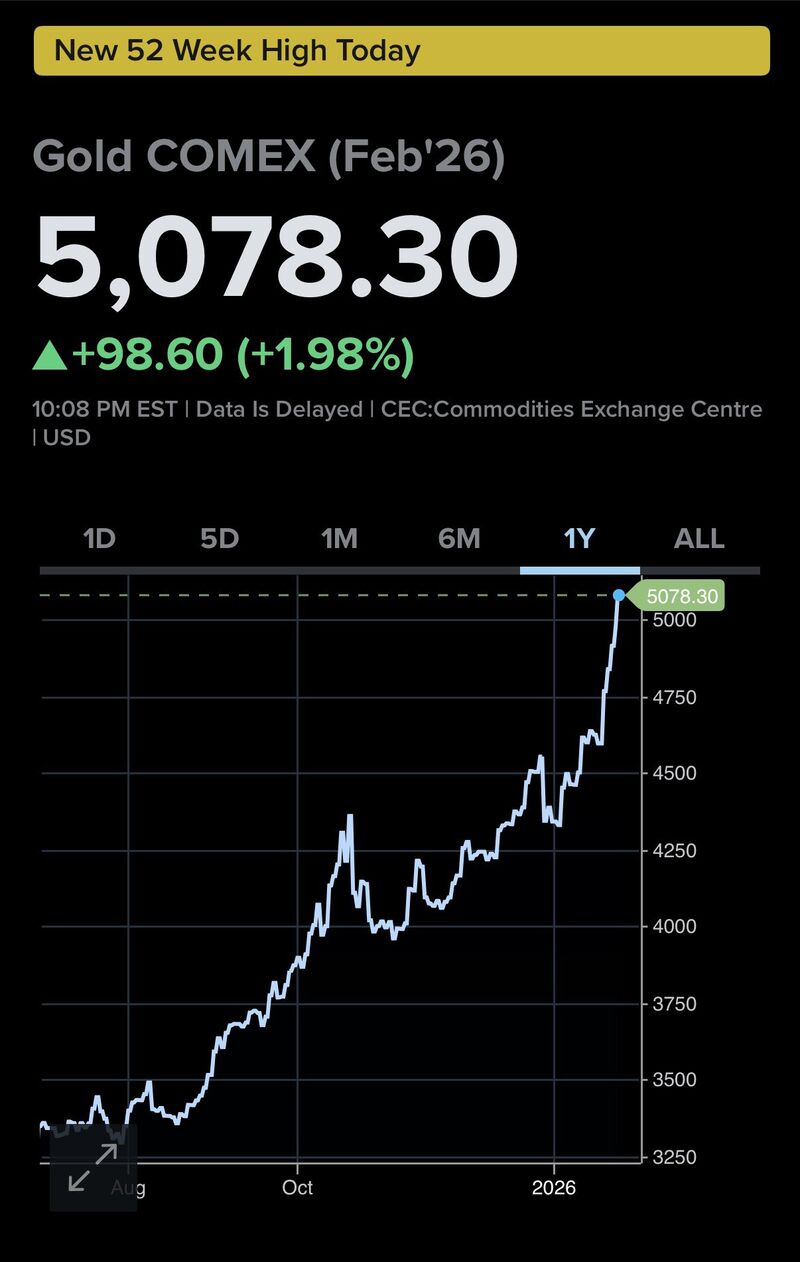
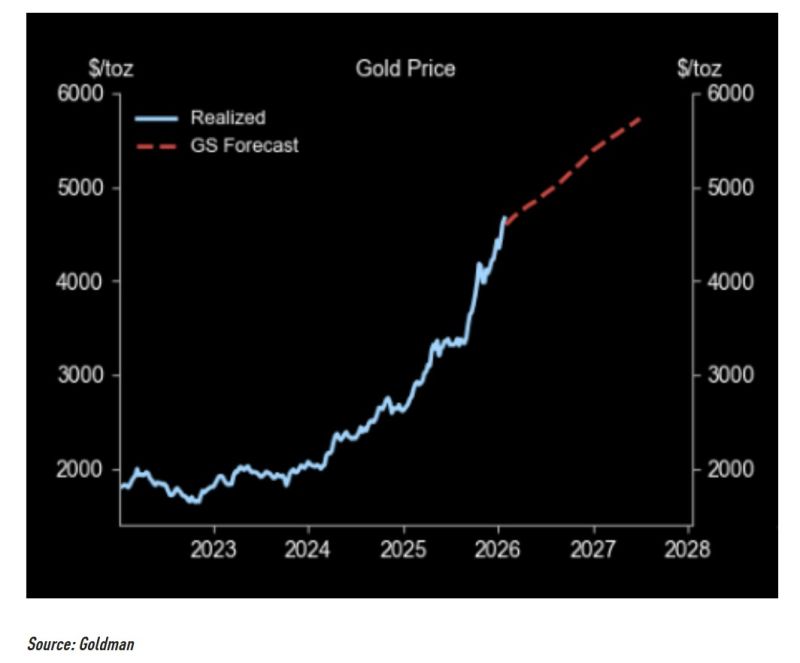
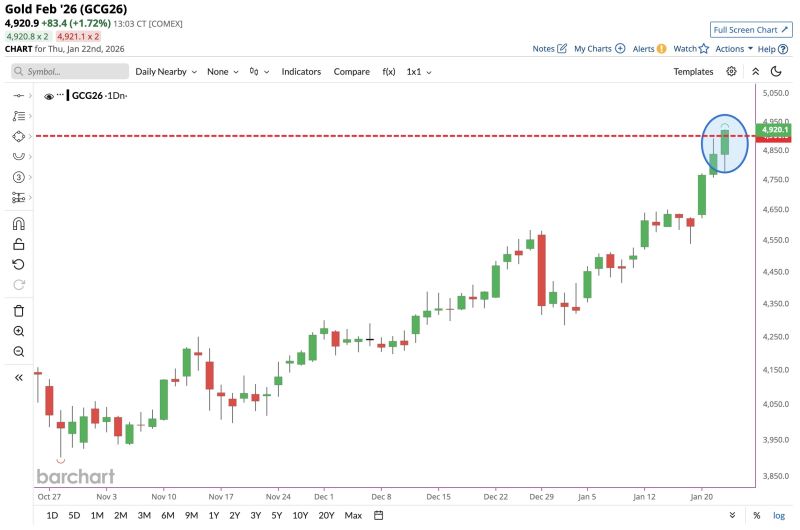
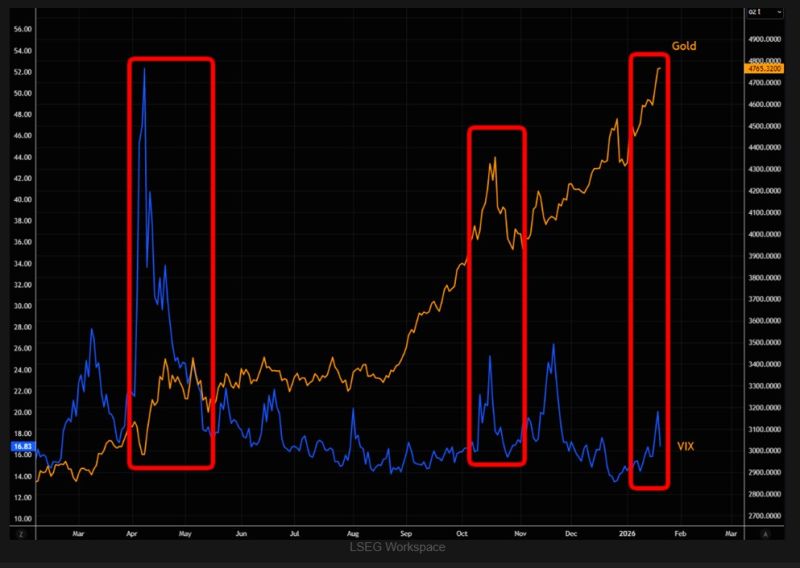
Gold and Silver just hit a new all-time high as the US dollar weakened after Powell accused Trump of targeting the Fed.
Now the Fed’s independence is at risk, so investors are dumping dollar and buying metals for safety hedge. The precious metal bull run still shows no signs of stopping in 2026. Source: Bull Theory @BullTheoryio
COPPER: The next global bottleneck? 🔴⚡️
We talk about chips, we talk about data, but we’re forgetting the "Red Metal" that powers it all. S&P Global just released a report that should be a wake-up call for every tech leader and policymaker: The world is facing a 10 million tonne copper deficit by 2040. That isn't just a "shortage"—it’s a systemic risk to the global economy. Why the sudden surge? 📈 We are witnessing a "Perfect Storm" of demand: The AI Revolution: Data centers aren't just about code; they are massive physical infrastructures. Copper demand for AI and robotics is set to more than double by 2040. The Energy Transition: You can't have an EV or a green grid without copper. It is the "Great Enabler" of electrification. Geopolitical Stakes: Access to copper is now a national security issue. If you don't have the metal, you can't build the future. The Supply Reality Check 🛠️ The numbers are sobering: Demand is jumping from 28mn tonnes to 42mn tonnes. Mine production is expected to peak in 2030 and then decline. New mines take years (sometimes decades) to bring online. The "Bottleneck" Warning ⚠️ As Daniel Yergin, Vice-chair of S&P Global, puts it: “At stake is whether copper remains an enabler of progress or becomes a bottleneck to growth and innovation.” With prices already surging from $8,000 to over $13,000 per tonne, the cost of building the future just got a lot more expensive. The big question for the industry: Will we see a massive pivot to copper recycling and new mining tech, or will the "Green Transition" and "AI Boom" stall out due to a lack of raw materials? Source: FT
Investing with intelligence
Our latest research, commentary and market outlooks