
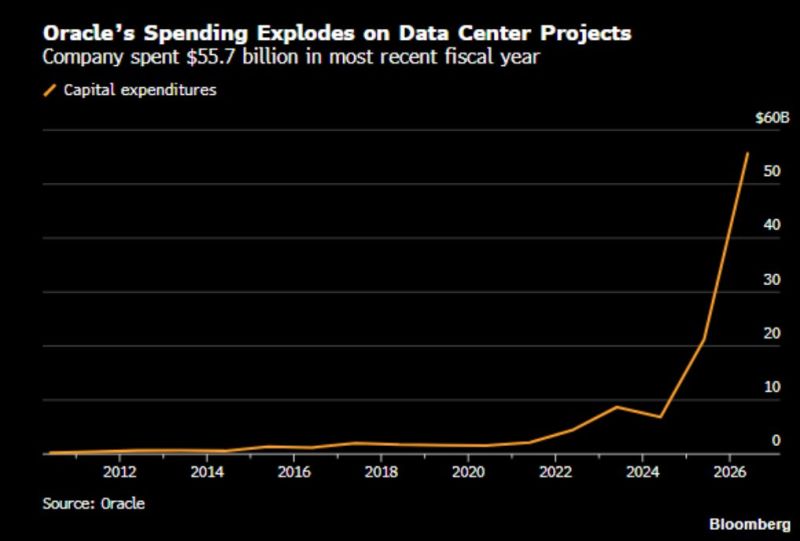
Oracle just revealed the hidden cost of the AI arms race.
$ORCL spent a staggering $55.7 BILLION on capex this year — $5.7B above its own guidance. Now it plans to raise another $40B in debt + equity. The market’s reaction? Oracle stock dropped 6% after hours. Why investors are nervous: • AI infrastructure is becoming massively capital intensive • Debt levels are exploding • Returns on AI spending remain uncertain Yet the numbers were still huge: • Revenue: $19.2B (+21%) • Cloud Infrastructure: +93% growth • AI bookings hit record levels • Remaining contracts surged to $638B Oracle is no longer just a database company. It’s becoming one of the biggest AI infrastructure bets in the world. The real question now: Will AI demand grow fast enough to justify the biggest debt-fueled spending cycle in tech history?Source: Special Situations
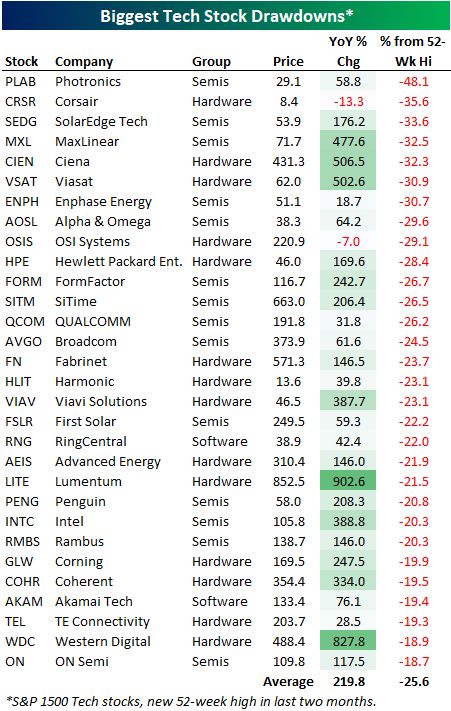
Here are the biggest drawdowns from S&P 1500 Tech stocks that have made 52-week highs in the last two months. A couple of these are in 30%+ drawdowns yet still up 500%+ y/y.
Source: Bespoke
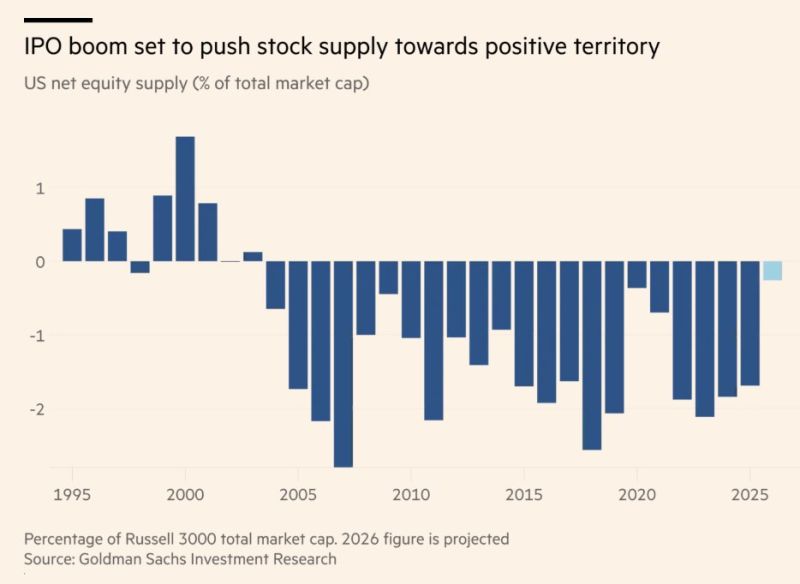
One of the biggest hidden drivers of the US stock market may be coming to an end.
Since 2003, US equities have been in a historic era of NEGATIVE net supply. Translation: Companies bought back more stock than the market created through IPOs and new share issuance. Less supply + relentless demand = higher prices. That dynamic helped fuel one of the greatest bull markets in history. Now the trend is reversing. For the first time in 23 years, US stock market supply is expected to stop shrinking. Why? Because the AI race is becoming insanely expensive. Big Tech firms are preparing massive share sales to finance AI infrastructure spending. At the same time, IPO giants like SpaceX, OpenAI, and Anthropic could eventually bring huge new supply to public markets. Goldman Sachs estimates net equity supply could turn flat in 2026 after two decades in negative territory. The AI boom may not just change technology. It may fundamentally change the market structure that powered US equities since the GFC. Source: FT
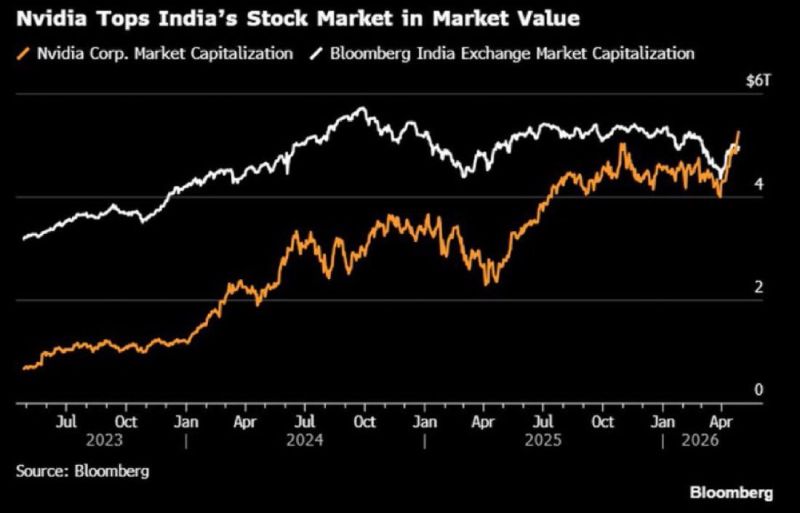
Nvidia $NVDA is now worth more than India 🇮🇳
Source: Bloomberg, Barchart
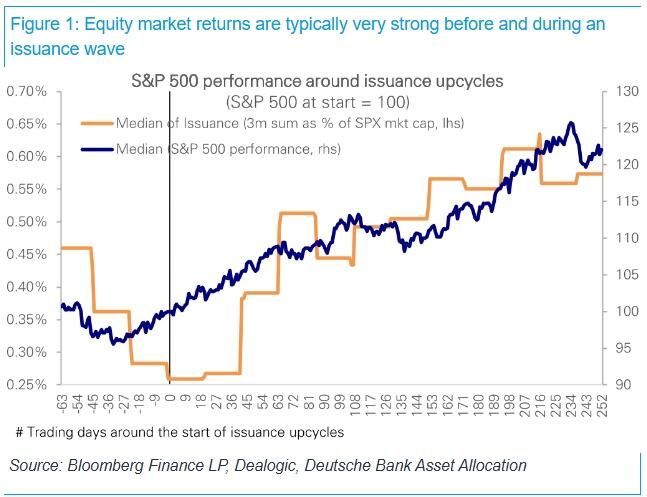
One of the biggest fears on Wall Street right now? That the surge in IPOs and equity issuance could trigger a market sell-off.
But history says the opposite. According to Deutsche Bank’s Jim Reid and strategists Binky Chadha & Parag Thatte, issuance waves usually happen because markets are strong — not because they’re about to crash. Companies raise capital when: • Investor demand is high • Earnings momentum is strong • Risk appetite is elevated Since early 2023, US equity issuance has jumped from ~$30bn to ~$120bn per quarter. Mega-IPOs are coming. Yet even the largest deals are only ~0.1% of the S&P 500 market cap. Past issuance cycles? Median returns were: • +8% over 3 months • +20% over 12 months The only major exception: 2008. Bottom line: strong demand is absorbing new supply. This market still feels a lot more like 1999 than 2008. Source: Zerohedge, DB
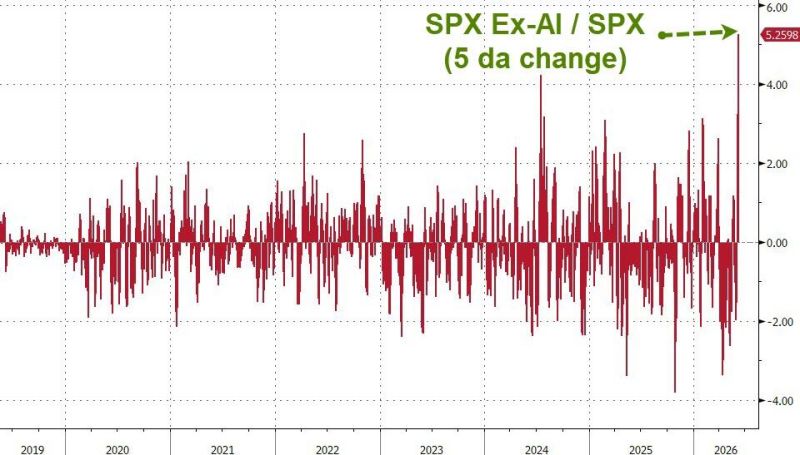
S&P 500 ex AI vs. S&P 500 5-day change
That is the biggest spread since AI was birthed... Source: zerohedge, Bloomberg
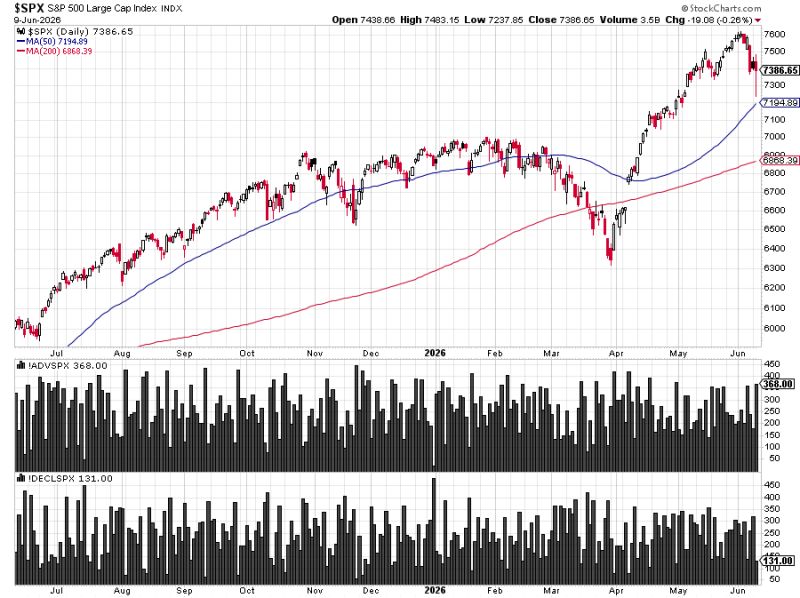
Rotational market lives on. We note that 368 stocks were higher in the S&P 500 yesterday. The most since late April.
Rare to see so many stocks going up with the S&P 500 retreating. Source: Ryan Detrick
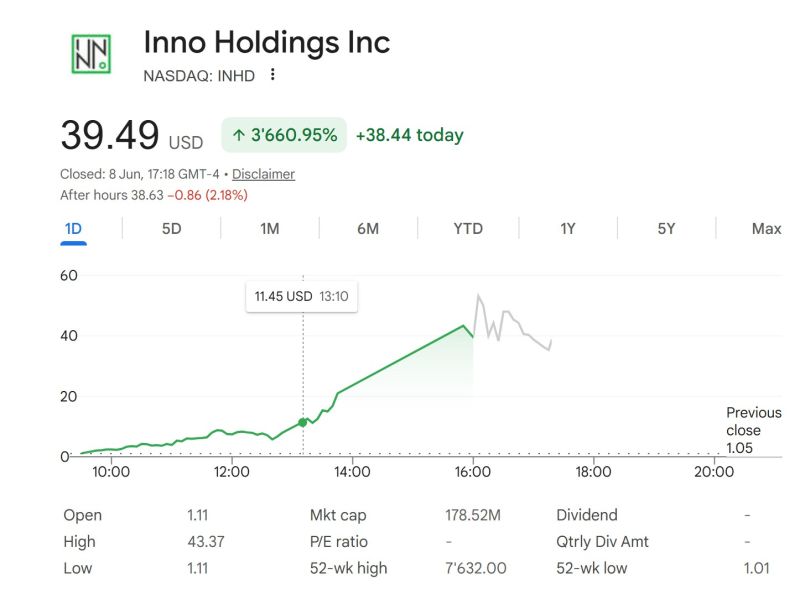
THIS RANDOM CHINESE STOCK WAS UP OVER 3600% + YESTERDAY
THE STOCK WAS AT $1.13 AT OPEN IF U INVESTED $1,000 AT OPEN YOU WOULD HAVE OVER $36,000 8 HOURS LATER $INHD Source: Gurgavin